
Would a Connecticut gas tax holiday help drivers? An expert explains the limits
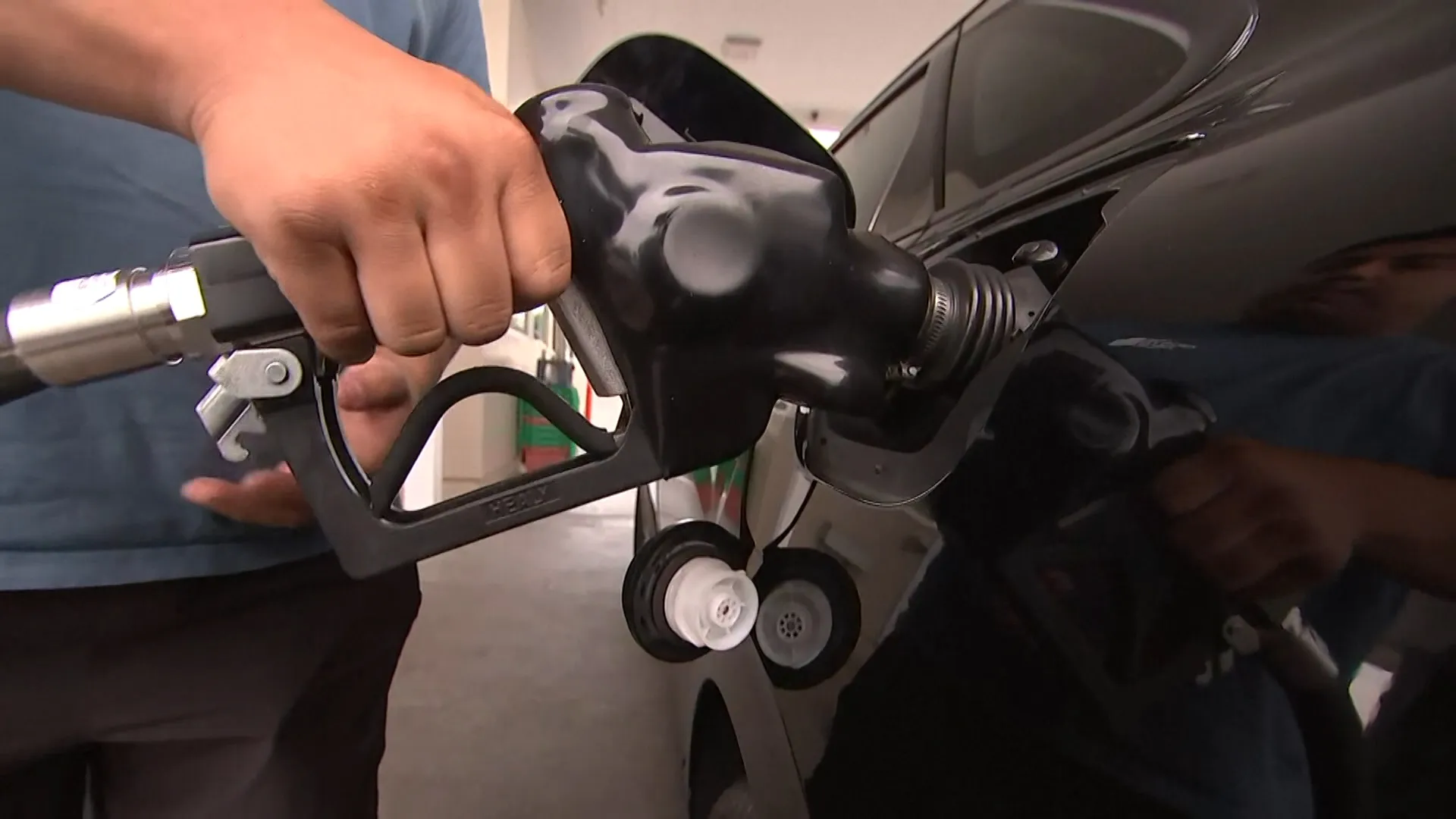
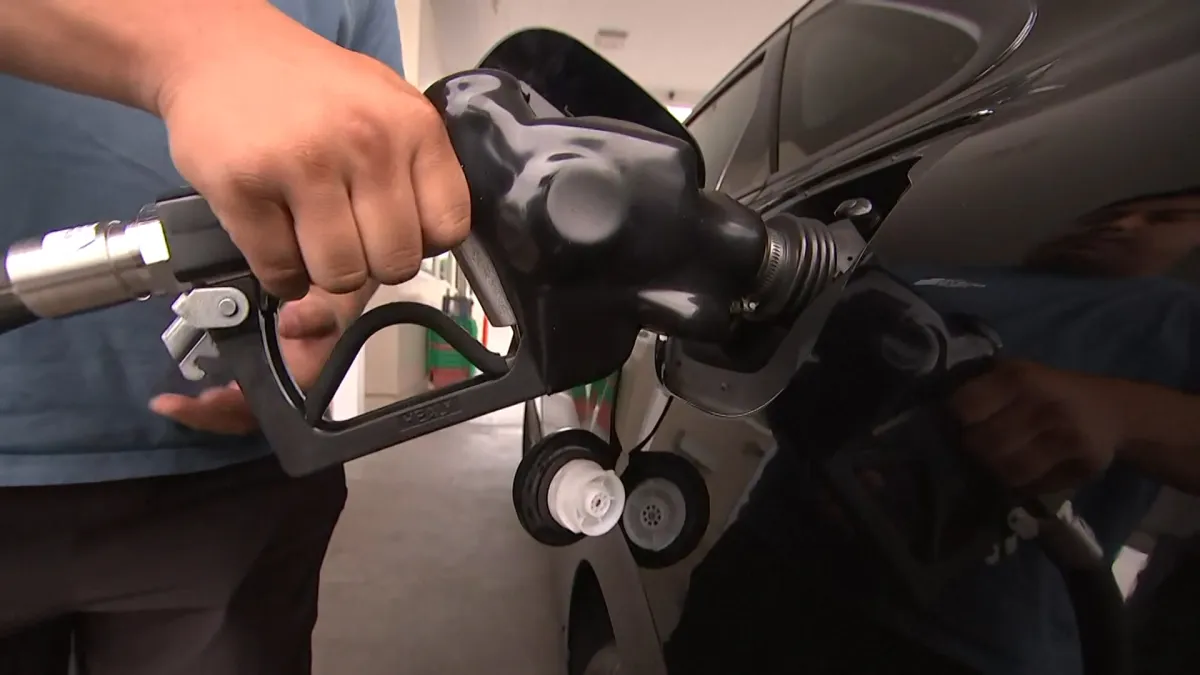
Gas prices continue to rise in Connecticut as the war with Iran rages on, and shipping traffic carrying oil through the Strait of Hormuz remains mostly stalled.
According to AAA, average gas prices in Connecticut:
- Today: ~$3.68
- A week ago: ~$3.45
- A month ago: ~$2.90
Last week, Gov. Ned Lamont proposed suspending the state’s $0.25 per gallon tax on gas and $0.49 per gallon tax on diesel. (Read more on the proposal from NBC Connecticut’s Mike Savino here.)
We reached out to Lamont’s office on the status of the proposal on Tuesday afternoon. Director of Communications Rob Blanchard shared the following:
“Governor Lamont is encouraged that members of the General Assembly recognize and are willing to work with him to reduce costs for Connecticut families. He suggested a smart and strategic pause to the state’s gas tax as an appropriate measure to reduce the harm caused by high gas prices on motorists. The Governor will work with legislative leaders to pass measures that are in the best interest of Connecticut families and businesses to mitigate the financial damage caused by this federal administration.”
Connecticut drivers, however, may not feel the full impact of the gas tax holiday due to global supply issues, according to Alex Arnon, the Director of Policy Analysis at the Penn Wharton Budget Model, which provides nonpartisan, research-based estimates of the fiscal impact of public policy.
Arnon said if a gas tax holiday were to pass, “consumers should expect to see a lot less benefit this time around than they saw in 2022.”
“Unlike in 2022, it seems like at least from where we are now, the magnitude of what is happening with the oil supply is not really reflected completely in oil prices yet,” Arnon said.
The director pointed to tensions in the Strait of Hormuz, through which about 20% of the world’s oil supply passes, and said retailers across the country are already preparing for potential price spikes.
Some of the gas tax holiday “goes to consumers through price cuts. Some of it is going to probably get held onto at the retailer level,” Arnon said.
“[Retailers are] going to say, okay, well I know that I’m going to have to pay more for my next batch of gasoline delivery than I paid for the last one, so I’m going to hold on to some of this extra bonus, in anticipation of that,” Arnon said.
The problem for retailers is on the supply side, not the demand side. Arnon said when retailers are worried about not being able to fill their inventories, they’re “not so worried about passing the savings on to try and capture as much demand as possible.”
Connecticut last suspended its gas tax in 2022, shortly after Russia’s invasion of Ukraine.
As the COVID-19 pandemic recovery surged demand for energy, the intensification of the Russia-Ukraine war was a major blow to energy supply. Oil prices ran up, Arnon said, but then stabilized at a reasonable price.
In the current war with Iran, less oil is coming through the supply chain, putting upward pressure on prices.
“Everybody along the supply chain is sort of doing risk-averse pricing right now, trying to anticipate the fact that whatever they pay for their next delivery at whatever stage is going to be a lot higher than … the previous one,” Arnon said.
Penn Wharton Business Model studied the 2022 gas tax holiday in Connecticut and found that prices initially dropped compared to other states before climbing again.
According to the study, “Gasoline prices also declined immediately after the gasoline tax holiday went into effect in Connecticut and grew from 11 cents on April 2 to 23 cents on April 15. However, the decline shrank slowly after that to about 14 cents on May 16, even though the gasoline tax holiday would still be in place for another month and a half.”
Arnon said that this time the dip in prices would likely be smaller because prices may rise at a rate that would overshadow most of the proposed 25‑cent cut.
“No matter what, we are looking at several months for things to normalize, even if everything’s sort of stabilized today,” he said. “It’s going to take a long time for just production and shipping to get back on track.”
For drivers looking for relief, crossing the state to the north may offer a small break.
Along Route 5 near our northern border, the last Connecticut station was charging $3.79 per gallon on Tuesday. Just over the line in Massachusetts, the price was $3.64.





From breaking news and local politics to art exhibitions, live music, high school sports, small businesses, and cultural events, we celebrate the people and places that make Connecticut unique.