1. How did growing up in Connecticut influence your reggae sound and message?
I was born and raised in Jamaica before moving to Hartford, Connecticut, where I continued growing up. So my roots are deep in the island—reggae, dancehall, culture, faith—that’s the foundation. Coming to CT didn’t take that away; it added to it. Hartford has a strong Caribbean community, so I was still surrounded by the sounds and energy of home.
But what shaped me was the blend—being raised in Jamaica, then coming up in America. I was influenced by the rawness of reggae and dancehall, but also exposed to hip-hop, R&B, and that East Coast hustle. That mix gave my music more dimension. I represent for the Caribbean, but I also speak from the perspective of someone who’s lived both lives. That’s what gives my sound its edge and its message real weight.
2. Reggae is deeply rooted in Caribbean culture—how do you balance that heritage with the CT vibe?
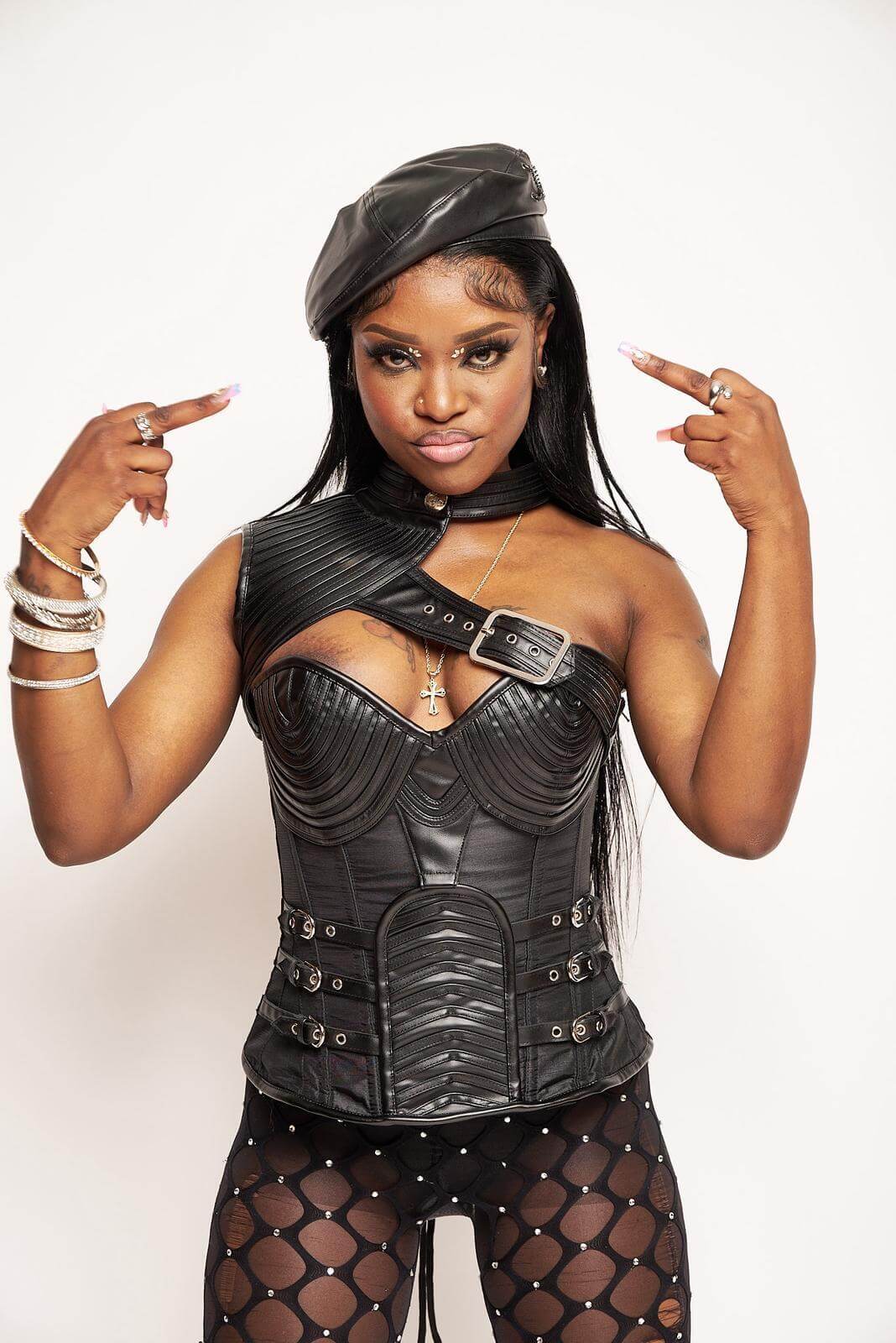
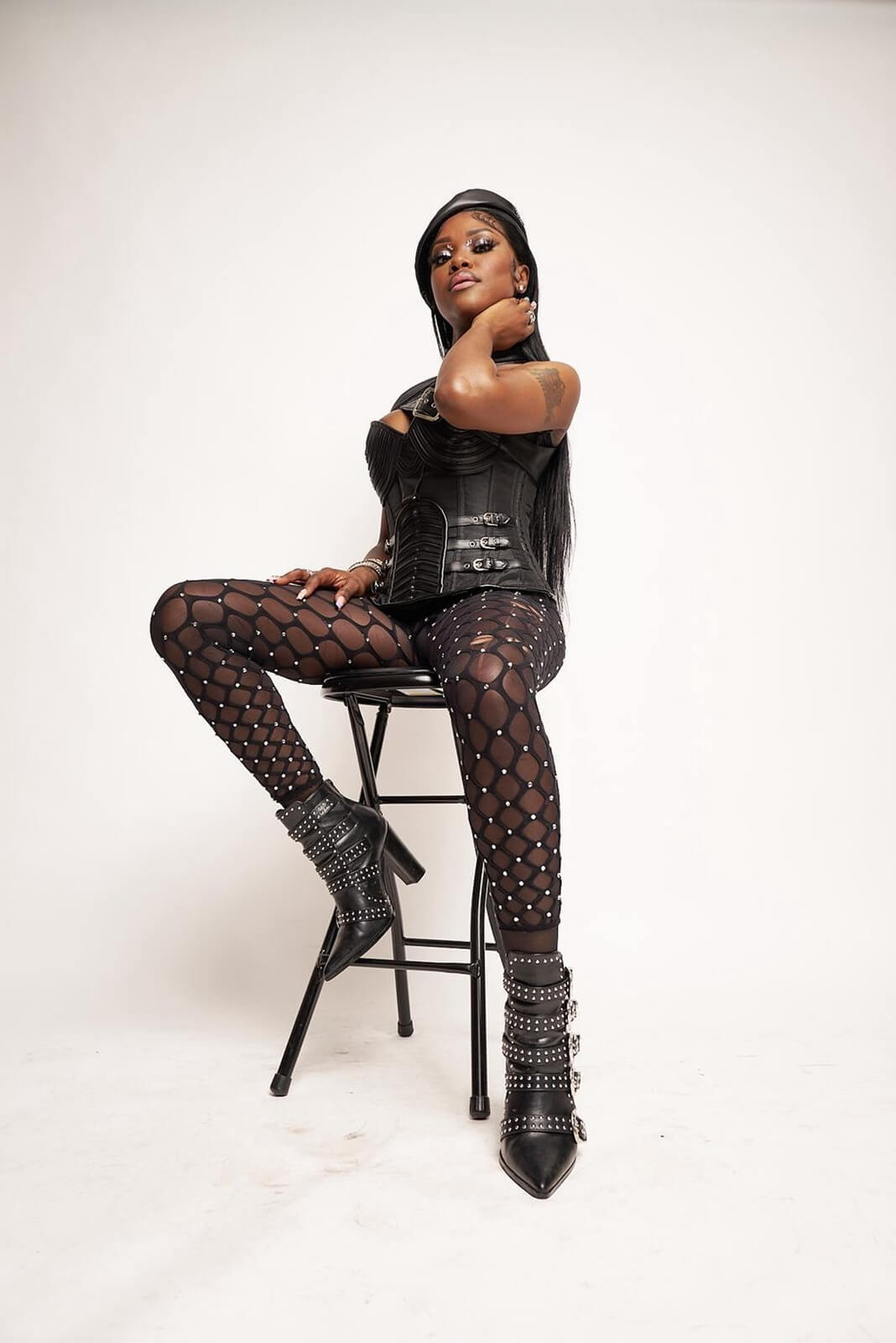
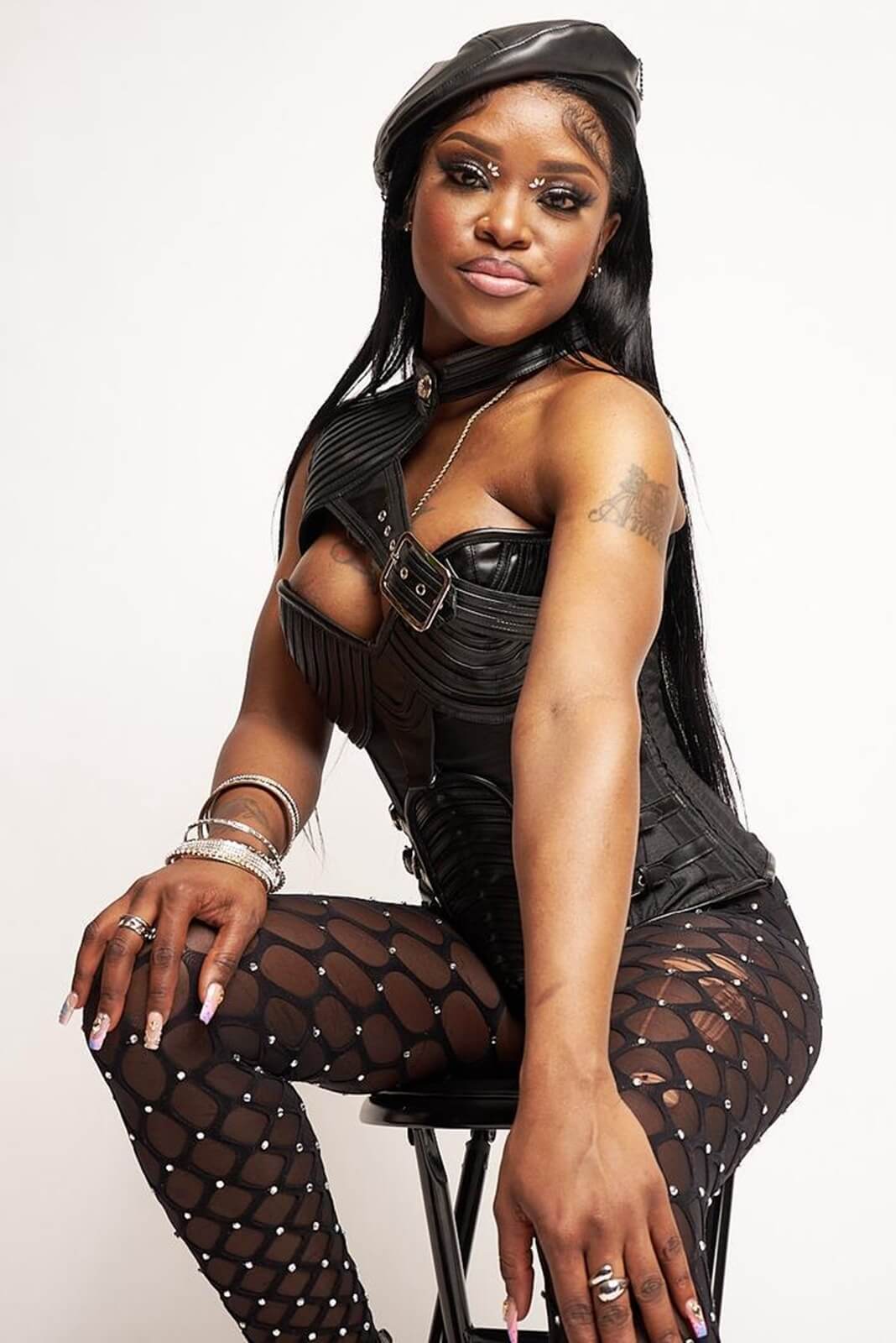
It’s not something I try to balance—it’s who I am. Jamaican blood, heart, and soul, raised in New England. I bring the upliftment and fire of reggae with the hustle and grind of CT. It’s like Kingston meets Hartford. My music still holds the message, rhythm, and spirituality of the islands, but it’s layered with urban truth and survival. That fusion makes me different—it makes me El SHADDAI aka DollyDon.
3. What are some challenges you’ve faced pushing reggae music in a state not typically known for it?
CT has a strong Caribbean presence in certain areas, especially in places like Hartford, so reggae and dancehall definitely have a home here. The challenge isn’t about whether the culture is here—it is. It’s about making space in the broader music scene that often leans toward hip-hop or pop. As a reggae artist, I had to push to get equal visibility and respect. But once people hear the message, the energy, and the passion—I cut through. Reggae belongs in every room, and I make sure it’s felt.
4. Are there any local CT artists or scenes that helped shape your journey?
Absolutely. Reggae and dancehall are big here in Hartford—there’s a strong Jamaican and Caribbean presence that keeps the culture alive. While I was already rooted in the music from Jamaica, seeing that same energy in CT helped me stay connected and inspired. I’ve always respected icons like Busy Signal, who has ties to the area, but one of the most meaningful moments in my journey was actually collaborating with Chuck Fenda. We have a track together, and it was a powerful experience working with someone so rooted in message music. That kind of collaboration proves that CT isn’t just watching the culture—we’re contributing to it.
5. What do you want people in CT and beyond to feel when they hear your music?
I want them to feel empowered. Whether I’m singing about love, pain, money, struggle, or faith, it’s always about uplifting the soul. My music is for everyone, especially the underdogs, the single mothers, the dreamers, and the broken ones still standing. I want people to feel seen, to know they’re not alone, and to believe they can rise no matter where they’re starting from.
6. How do you stay connected to your cultural roots while creating in New England?
My roots live with me every day. I stay grounded through my family, my faith, and my lifestyle. I cook traditional food, speak patois, play old-school reggae, and connect with the culture in everything I do. I travel back to Jamaica when I can, but even when I’m in CT, I carry the island in my spirit. The culture isn’t just where I’m from—it’s who I am.
7. What does the future of reggae look like in Connecticut, in your opinion?
It’s rising. There’s a wave of Caribbean music pushing through—from reggae and dancehall to Afrobeats. You can feel it in the events, the DJs, and the youth tapping into their roots. With the right platforms, more visibility, and unity among artists, CT can become a major hub for Caribbean sound in the Northeast. I’m here to lead that charge and open more doors for the next generation, and to ensure that we have been in works with Mr.Davies owner of channel A-tv, The African Achievements Awards out of Seattle and also Dj Buck hot 93.7.
8. Any collaborations with CT artists outside the reggae genre?
There’s some things in the work, so yes. I love when genres collide and something new is born. CT has a lot of talented artists in Al genres. I’m looking forward to working with creatives who are about the message and the music. It’s all about energy and intention. Big collabs are on the way.
9. What’s one thing people misunderstand about reggae music?
That it’s just “feel-good” music. Reggae is so much deeper though. It’s protest, it’s healing, it’s spiritual warfare. It’s truth wrapped in rhythm. It speaks to struggle, liberation, love, and revolution. Some people hear the beat but miss the message—but once you really listen, you realize reggae is power in motion.
10. What’s next for you—new music, shows, or projects in the works?
Plenty. I’ve got new singles dropping soon, visuals that are on a whole different level, and major stage performances—including shows in Jamaica, the U.S., and STING alongside some legendary names. I’m also working on a full project that reflects everything I’ve been through and where I’m headed. This is just the beginning—El SHADDAI is here to lead, not follow