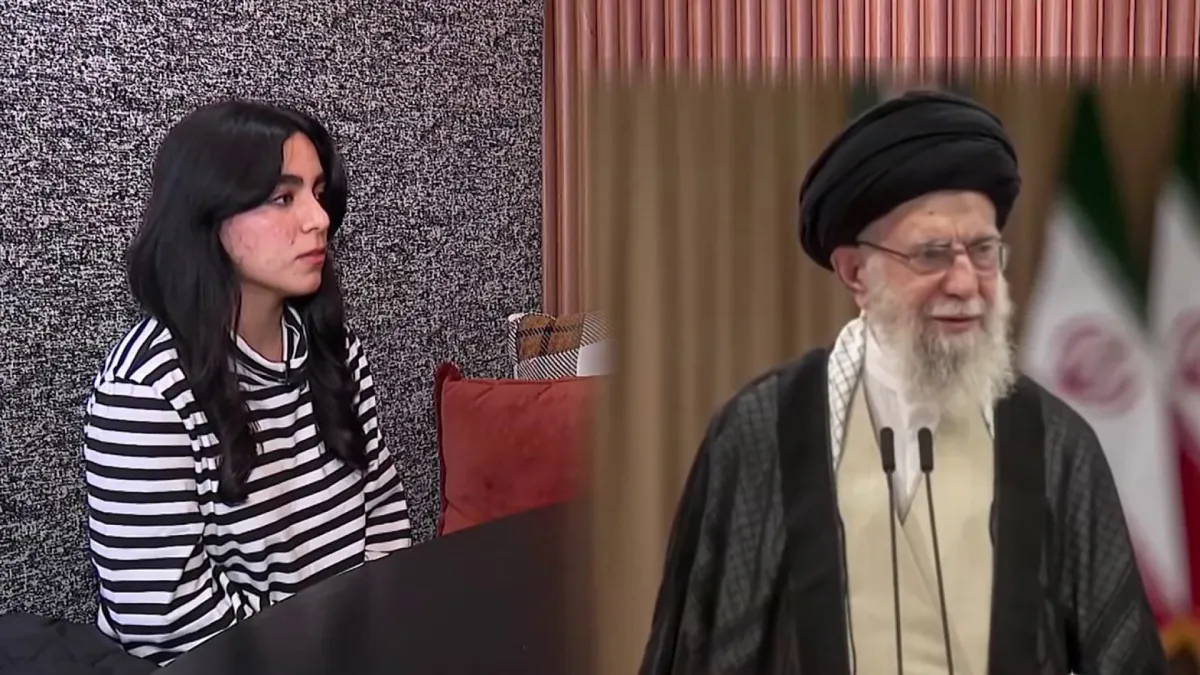
UConn student from Iran shares hopes for home country amid conflict
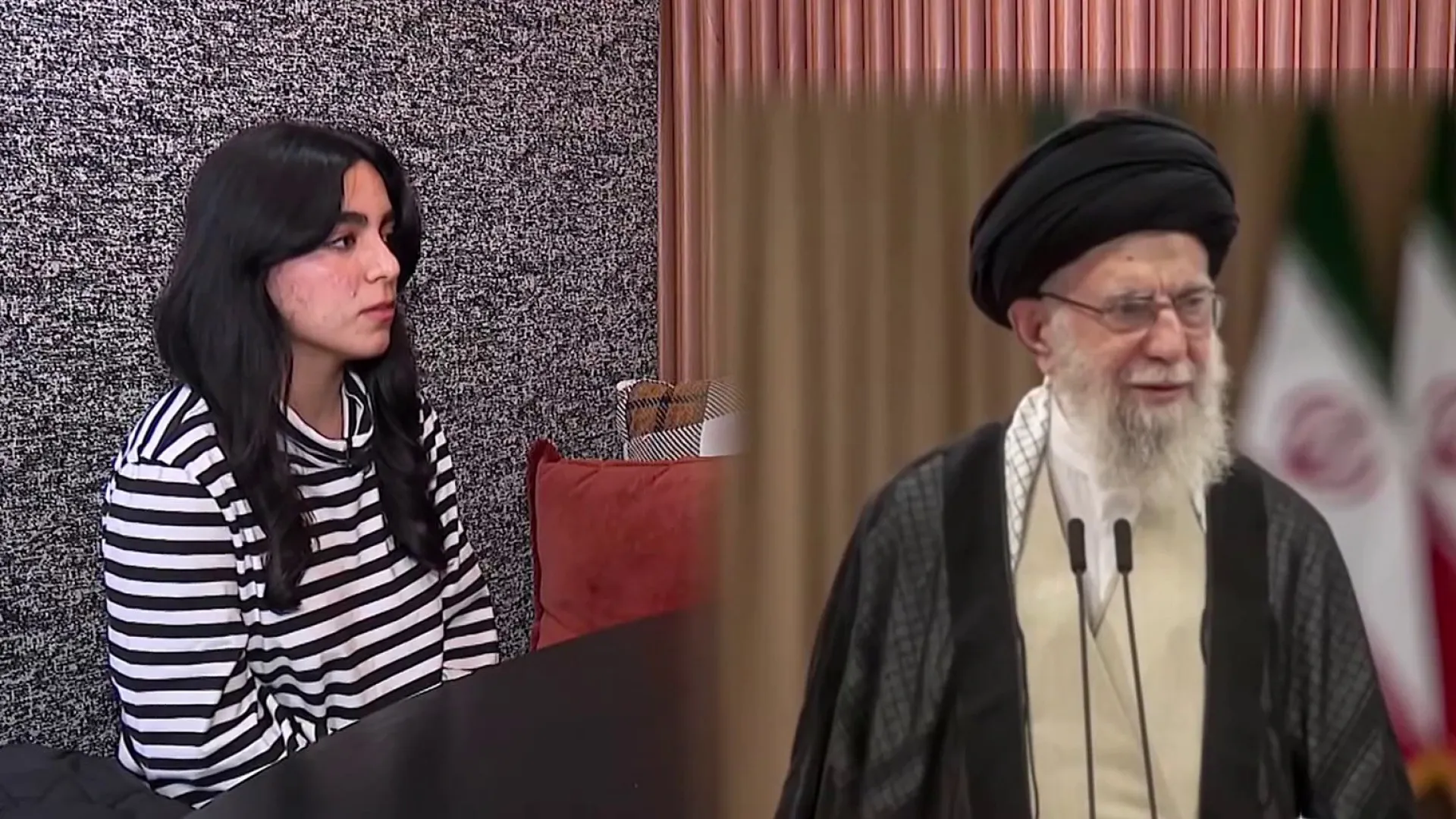
As the geopolitical landscape in the Middle East undergoes a seismic shift, members of the Iranian community in Connecticut are watching the developments with both anxiety and hope.
Among them is Sadaf Zarei, a junior at the University of Connecticut, who has been unable to reach her family since the announcement of the death of Iran’s supreme leader, Ali Khamenei.
Zarei last spoke with her parents via FaceTime shortly after the news broke. According to Zarei, the atmosphere on the ground was one of widespread celebration.
“All our neighborhood was celebrating … Everyone in the city was celebrating his death,” Zarei said. “I could hear people, like even as we were talking over the phone, I could hear people chanting in the background.”
However, that connection was severed shortly after. Zarei says she has not been able to speak with them since, citing a common practice by the current regime of shutting down internet access during periods of civil unrest or transition.
The transition of power has already drawn significant internal and international scrutiny. Iranian state media reports that Mojtaba Khamenei, the son of the late leader, has been named his successor. This marks the first hereditary leadership transition since the 1979 Revolution.
Zarei is among those who oppose this transition, noting that the call for a different path — specifically support for Reza Pahlavi — is coming from a broad cross-section of Iranian society.
“You have Bazariz calling his name, the most conservative strata of the Iranian society,” Zarei said. “You have the students in Iran’s equivalent of MIT and Ivy League universities calling his name. You have the faith leaders of minorities calling his name.”
While some fear a prolonged “forever war,” Zarei argues that internal resistance alone may not be enough to dismantle the current power structure. She suggests that the Iranian people are looking for more decisive international action against the Islamic Revolutionary Guard Corps (IRGC).
“What the demand of the Iranian people from America is … decimate IRGC, which is the body responsible for carrying out the killings, carrying out the massacre,” she said.
Despite the uncertainty and the lack of communication with her loved ones, Zarei remains focused on a long-term vision for her home country.
“I would never, never, ever cease to dream about a free Iran and hopefully believe in realization of that dream,” she said.
For security reasons, Zarei’s personal photos have been withheld from this report.





From breaking news and local politics to art exhibitions, live music, high school sports, small businesses, and cultural events, we celebrate the people and places that make Connecticut unique.