Gubernatorial hopefuls slam Lamont, Eversource for storm response
As clean up continued from Saturday’s severe storm, gubernatorial hopefuls were turning the aftermath into a political issue.
Sen. Ryan Fazio (R-Greenwich), and Rep. Josh Elliott (D-Hamden) each claimed Gov. Ned Lamont and Eversource took too long to respond.
Lamont said he’s been in frequent contact since Saturday with local officials as his administration gathers information for a possible declaration of emergency.
“We were very clear with the mayors, document, document clearly and get it out to us soon,” Lamont said Wednesday.
He said he hopes to know by next week whether the damage would meet the threshold for federal aid.
Fazio, the Republican nominee, criticized Lamont for waiting until Tuesday to visit some of the towns hardest hit.
“I wouldn’t take 3 days to visit the affected areas as governor, so there needs to be better response from the utilities and from the governor for the next crisis,” he said.
Fazio and Elliott both criticized Eversource’s response but put some of the blame on Lamont, claiming he hasn’t held the state’s largest energy supplier accountable in the past.
“We have seen just egregious mismanagement over and over and over from Ned Lamont,” Elliott said.
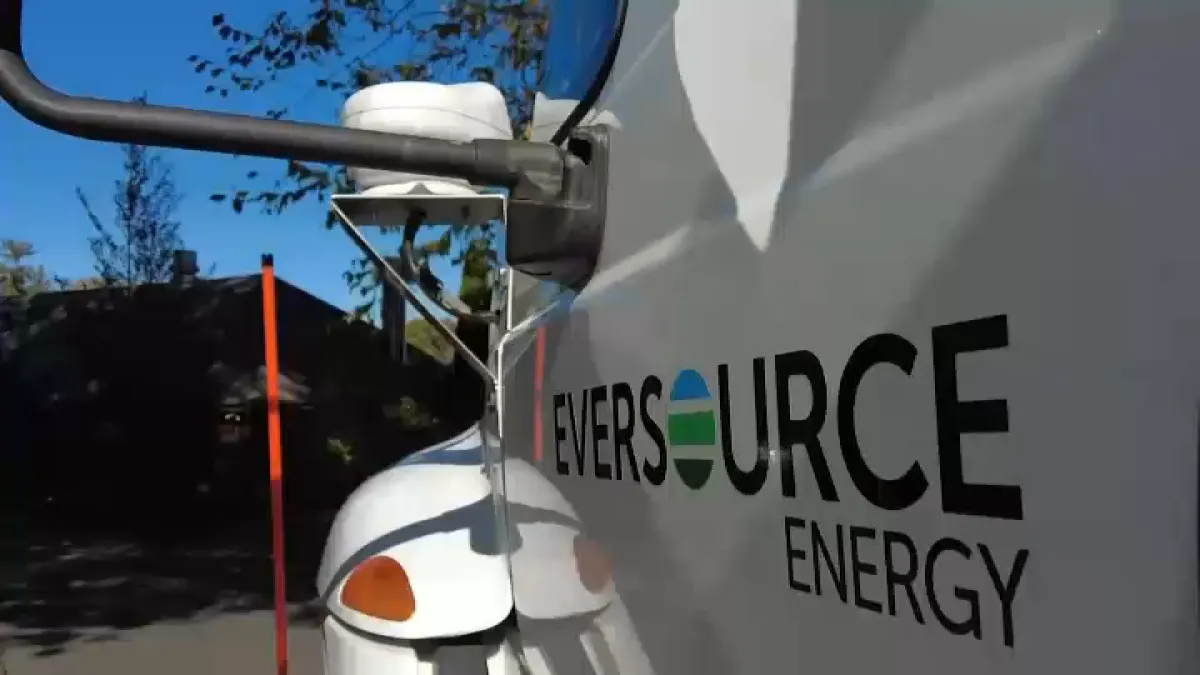
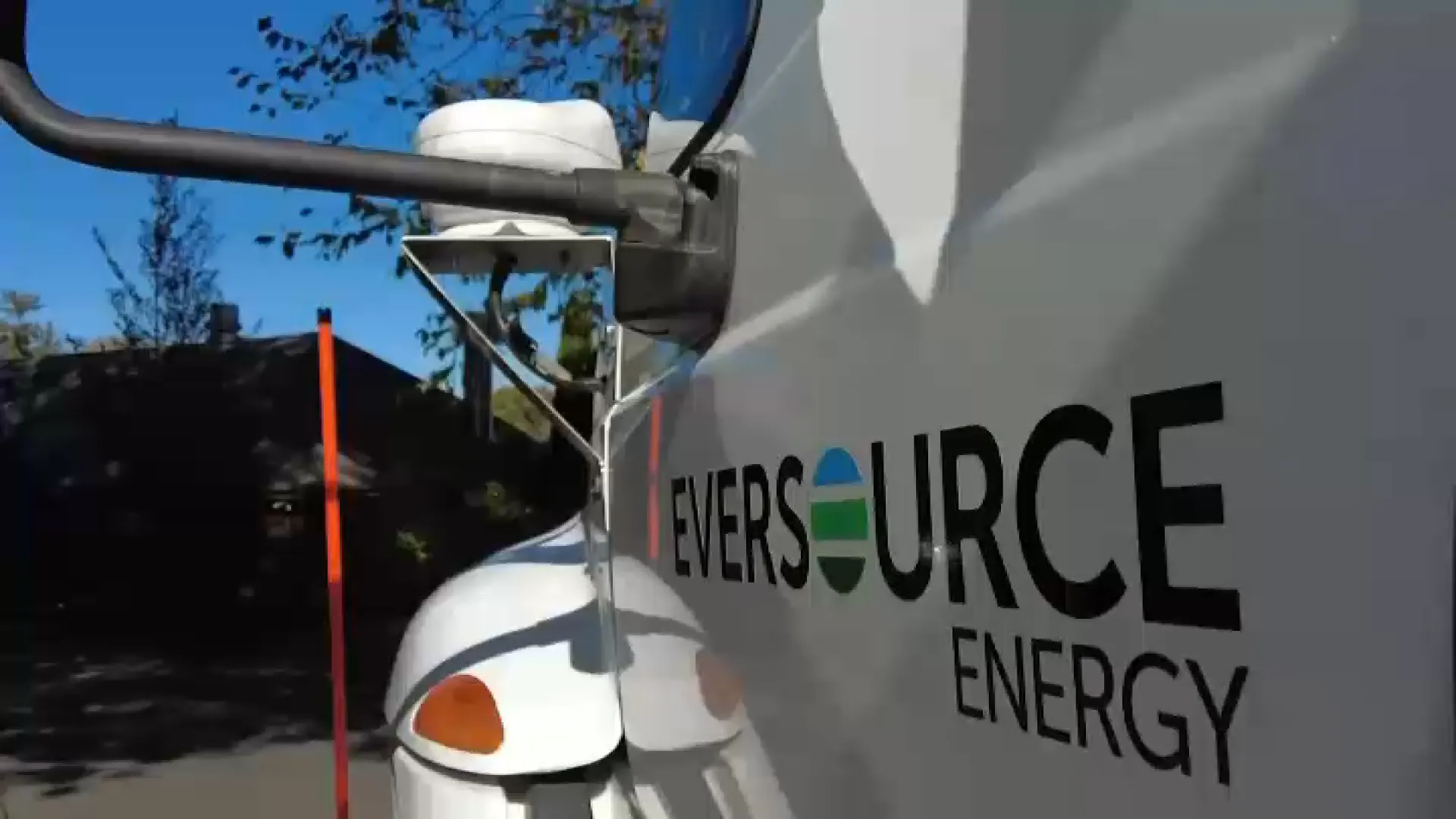
Eversource defended its response. A company spokesperson said in a statement that the company restored power to more than 100,000 customers ahead of schedule.
They also said they’re focused on the cleanup amid political jockeying.
“We are all aware that the state is in the middle of an election year and that we are an easy target for all politicians of all parties,” the spokesperson, Jamie Ratliff, said. “To us, our customers don’t belong to any political party and restoring them safely and quickly is our top priority as we respond to this event.”
Still, Fazio said the company took too long to get help to the area. He also said that’s likely in part because Lamont hasn’t held the utilities accountable in the past for a slow response.
“Eversource took about two days to get sufficient numbers of crews to the affected areas, like Harwinton, Torrington, and New Canaan,” he said.
He also said he would push for legislation that would lead to more frequent rate review cases as a way for the Public Utilities Regulatory Authority to hold Eversource and other utilities accountable.
Elliott had a similar criticism of Lamont but said the answer is helping more cities and towns create their own energy providers.
“We have to be doing what places like Groton and Wallingford do, which is publicly own their utilities, because they simply do not lose their power and when they do, it comes back on quickly,” he said.
Lamont maintains that he will hold the utilities accountable, including through new a performance-based review system PURA is drafting for rate cases.
The system, called for by the legislature in 2020, would look at a utility’s performance based on a number of criteria, including clean up after storms.
Other factors include grid reliability and resilience, affordability, efficiency, and even customer satisfaction.
PURA is set to receive a draft version of the regulations on July 17, followed by a vote slated for Oct. 21.
Lamont said the new regulations would incentivize utilities to be proactive ahead of serious storms, allowing them to recover any necessary costs.
On the other hand, PURA could have the ability to punish companies for delayed responses.
“We’ll pay a premium if you get people’s lights on faster than anticipated, but if you do it slower, maybe there will be a penalty involved,” Lamont said.







From breaking news and local politics to art exhibitions, live music, high school sports, small businesses, and cultural events, we celebrate the people and places that make Connecticut unique.