
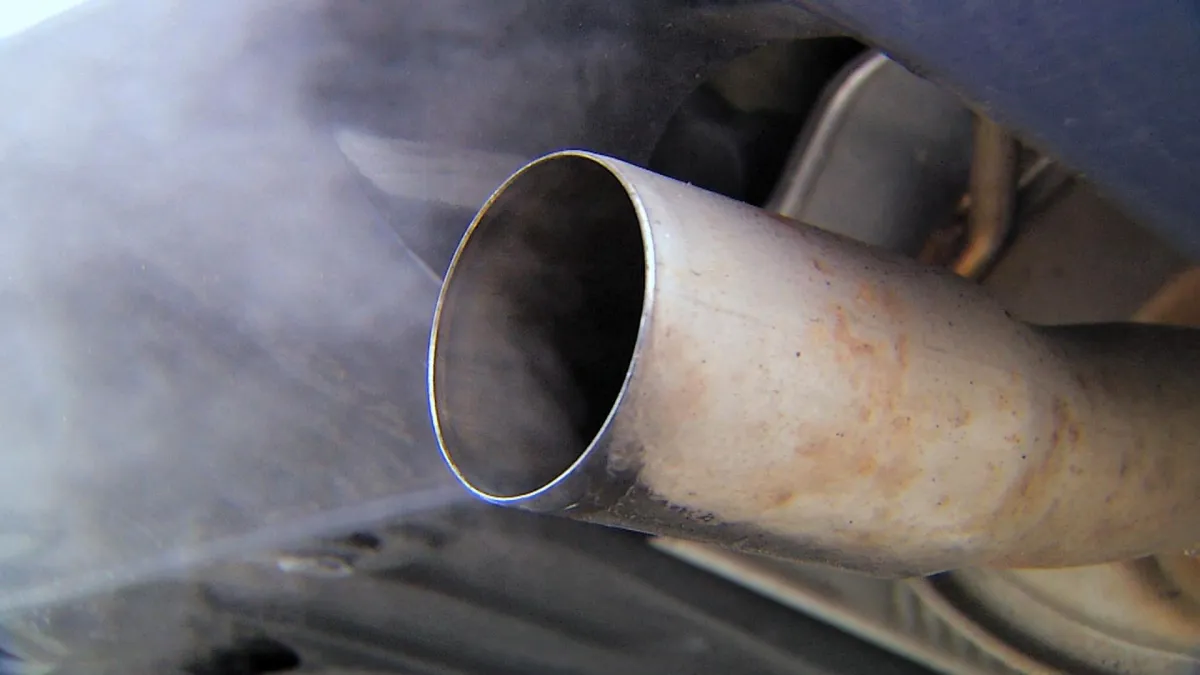
EPA rescinds emissions standards, but environmental groups worry
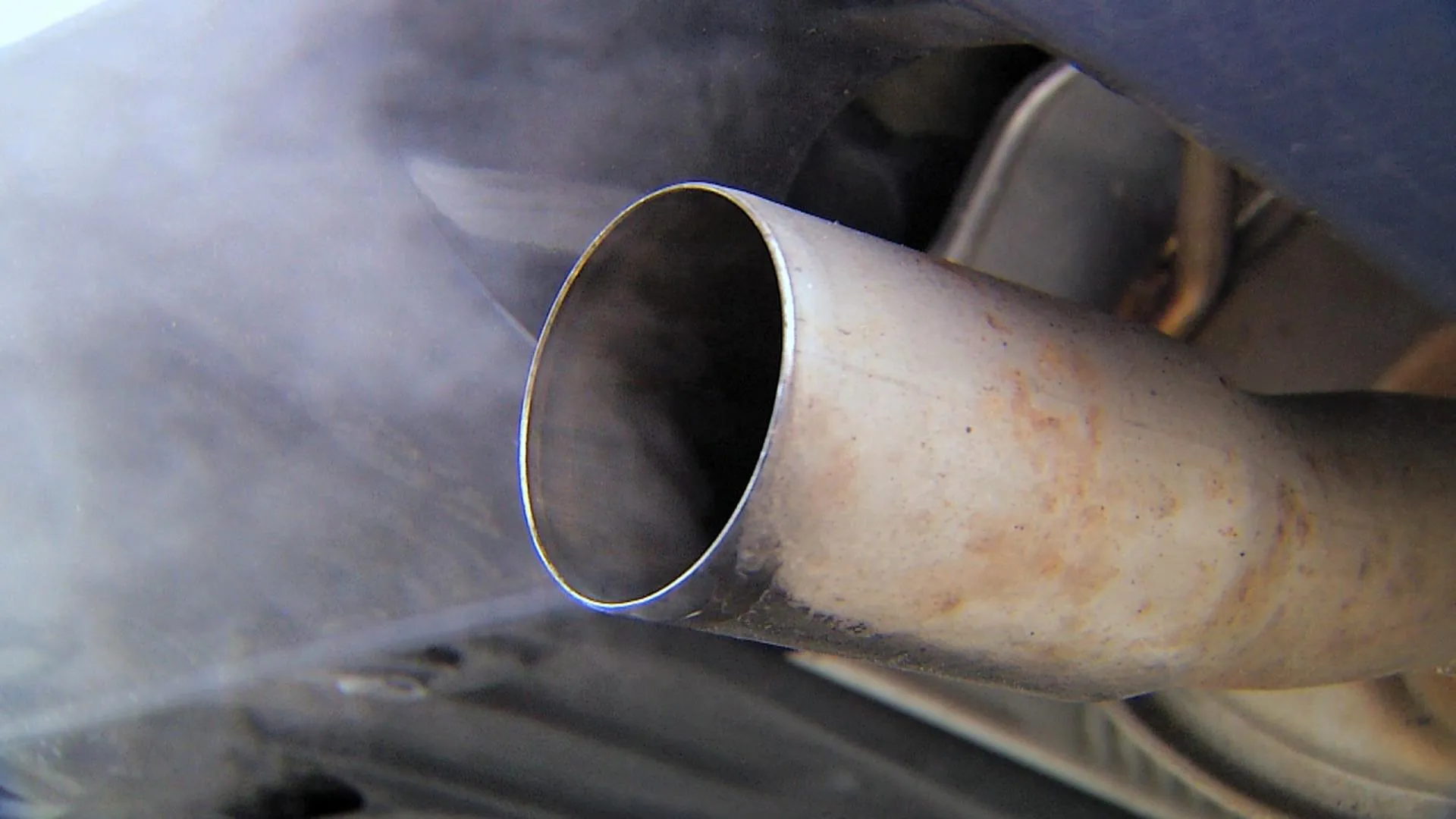
The Environmental Protection Agency, or EPA, is terminating green emission standards on vehicle models and engines between 2012 and 2027, and beyond.
“We’re restoring the rule of law, we’re grounding policy and reality, and we’re giving power back to the American people,” said Lee Zeldin, EPA Administrator. “And we’re bringing back the American dream stronger than ever before.”
That finding served to regulate emissions of new motor vehicles and engines. The Trump administration says this move will save the country $1.3 trillion and lower the average vehicle price by about $2,500. The move is touted to ease burdens on auto makers and lower costs for Americans.
“These crippling restrictions were a major factor in driving up car prices to unprecedented levels, and the car that you were getting was not nearly as good,” President Trump said at the announcement press conference.
But Bill Lucey, Soundkeeper with Save the Sound, worries it could worsen the impacts felt from emissions.
“What happens is those emissions settle down, they cause ocean acidification, and the temperature of the sound is rising,” Lucey explained.
Lucey says Long Island Sound is seeing a drastic shift from cold water to warm water fish due to human emissions, “And it gets to the point where the commercial fishing industry or the charter recreational industry can’t make a living,” Lucey said.
On land, Lucey says we’ve lost 75% of the cold-water brook trout population in the last 30 years, because of either drought drying up streams, or extreme rainfall events that scour out young fish or eggs.
“So we’re already facing extreme examples of the impacts of climate change, and rolling this backwards completely ignores that,” Lucey said.
Charles Rothenberger, the in-house climate and energy attorney with Save the Sound, believes this move could cost Americans more.
“By any measure, the cost of mitigating climate change by reducing emissions is far less than the cost that will be imposed on communities and households as a result of climate change,” Rothenberger said.
Rothenberger believes Connecticut may take more action to address climate change in the New England region.
“Connecticut was one of the first states to pass a comprehensive global warming solutions act, which requires economy-wide reductions in the emissions of greenhouse gases,” Rothenberger explained.







From breaking news and local politics to art exhibitions, live music, high school sports, small businesses, and cultural events, we celebrate the people and places that make Connecticut unique.