
As Connecticut municipalities clean up, DEEP offers emergency alternate disposal method
More snow for Connecticut means another round of asking, “What do we do with it all?”
The state offered a rare option for snow removal: using local waterways, but only in an emergency.
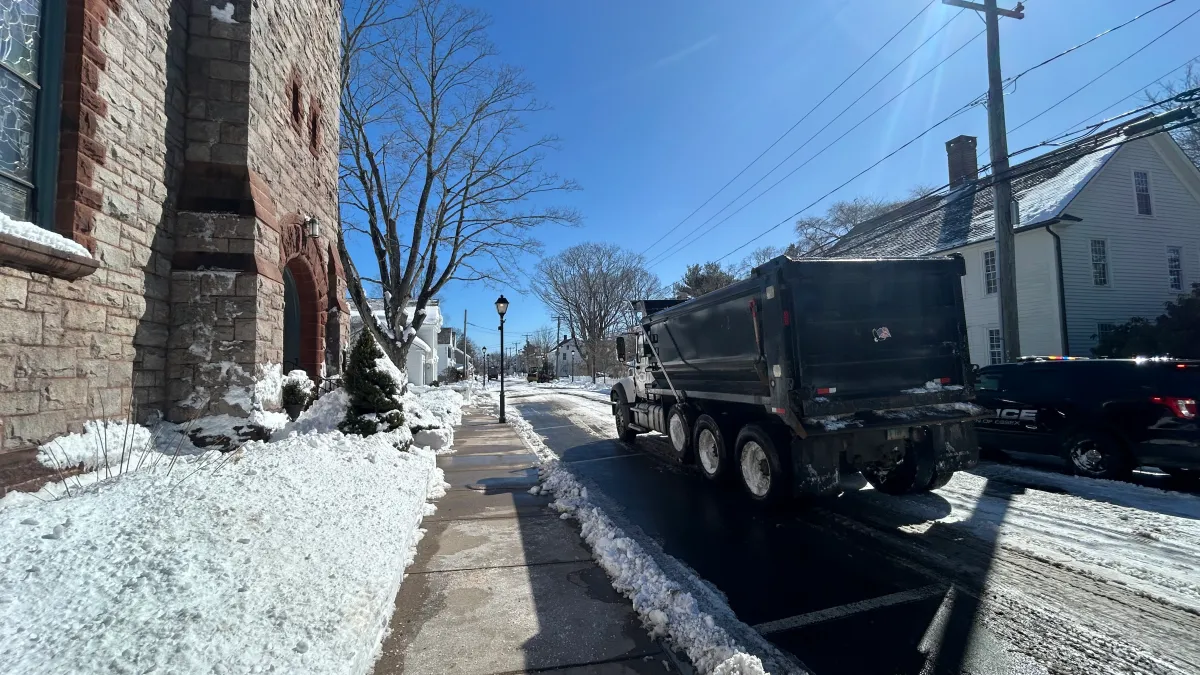
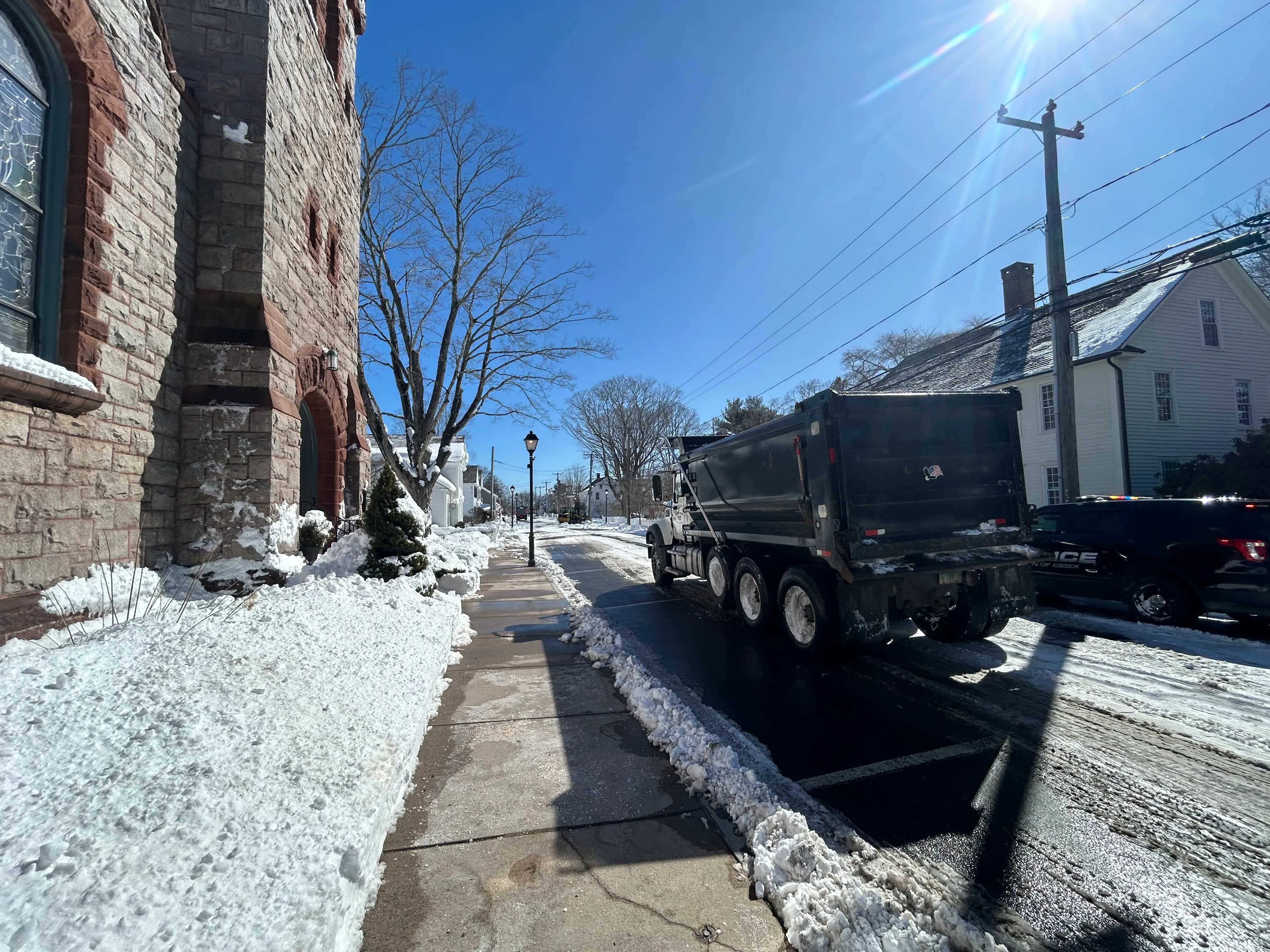
Downtown Essex was full of commotion Tuesday morning as crews worked to clear Main Street. Public works said that when snowfall reaches between 10 and 12 inches, it’s easiest to move the snow off-site.
“It’s the nature of the beast, welcome to New England,” said Jared Arnold, who was in the middle of clean up.
Arnold was clearing, and others were just out and about, checking in on the damage the storm caused. Luckily, there wasn’t too much damage in Essex, so people could enjoy it.
But in tight quarters like on Main Street, crews needed an alternate to piling it up on the sidewalks. Following two major storms, the on-land options in town are filling fast.
“We are stacking it higher, really, when you get this amount of accumulation, you run out of space, intersections, cul-de-sacs, you just run out of space,” said Ryan Welch, Essex Director of Public Works.
The state Department of Energy and Environmental Protection (DEEP) offered contingency plans to municipalities if all other options have been exhausted. They can move it into the water under certain conditions.
They explained that all municipalities have been granted temporary permission to move it to waterways, but they must notify DEEP. They use those notifications to track disposal locations, timing, and volume, ensuring towns and cities are aware of restrictions and guidance.
They also need to follow guidelines, such as debris removal, avoidance of sensitive areas, and proper monitoring, to help municipalities minimize impacts on waterways.
They can also follow up and inspect or audit municipalities as part of oversight.
Towns like Essex, note they are appreciative of the flexibility, but they aren’t there yet, and they don’t want to get there.
“We don’t want to do that, we have another area, a reserve area, we were just worried that our primary area is full,” Welch explained, noting the Connecticut River is a vital resource for the town.
He said protecting water quality is still a priority. A sentiment local advocates appreciate.
“Making sure we are prioritizing dumping in areas that have the capacity to respond is really pivotal here,” said Allison Rugila with Save the Sound.”
Rugila explained, unfortunately, due to Connecticut’s aging stormwater infrastructure, whether the snow is pushed in or left to melt and use storm drains, it’s likely destined for Long Island Sound either way.
“Given our storm water infrastructure, that salt still entering the sound, it’s just a function of where it’s going and at what scale it’s coming in,” she said.
She noted that if towns or cities do decide to use the in-water removal option, they should follow the guidance closely. In “in-water” cases, it becomes critical that those dumping are mindful of where they are letting the snow go. Some areas, particularly freshwater systems, are highly sensitive.
The larger ask is to reduce overall salt and pollution.
She said large bodies like the Connecticut River are resilient, given the amount of flow a major river like it sees, but there is still an impact.
“The Connecticut River is very resilient, and I will say the impacts are limited, but not zero,” Rugila said.
She also pointed out there is more need for research and data in this area, noting there is no true system for following the impacts to water from winter melt.
At home, you can act too. She said homeowners should be mindful of how much salt is being put down and properly dispose of dog waste. Both are small steps with a big impact in protecting water quality.







From breaking news and local politics to art exhibitions, live music, high school sports, small businesses, and cultural events, we celebrate the people and places that make Connecticut unique.