Connecticut reacts to Live Nation jury verdict finding company ran illegal monopoly
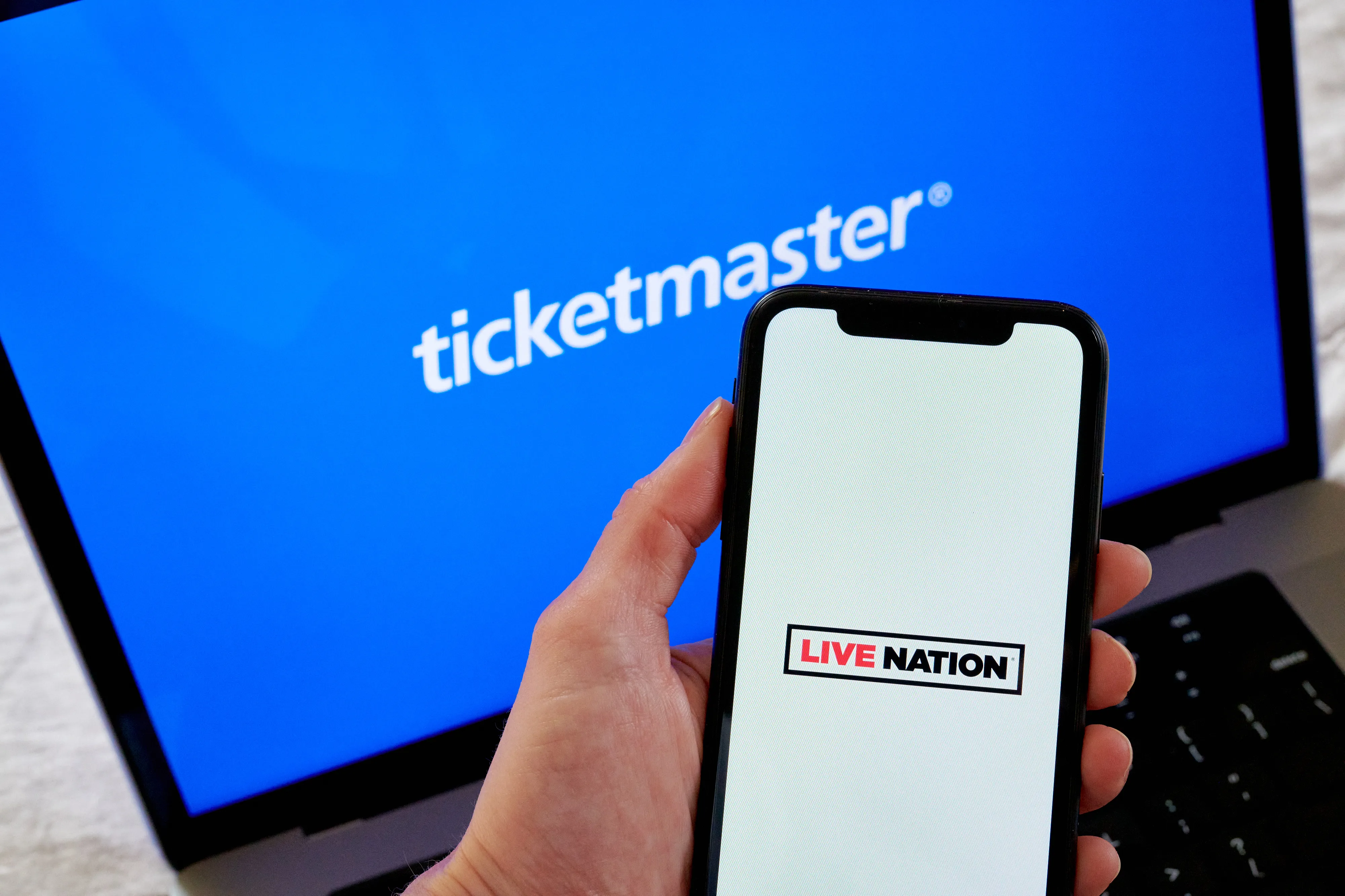
Do you feel like concert tickets have gotten more expensive? A jury just blamed Live Nation, the owner of Ticketmaster, ruling the company ran an illegal monopoly and overcharged fans.
That verdict came down Wednesday afternoon in the high-stakes antitrust trial after more than 30 states, including Connecticut, sued.
Attorney General William Tong praised the decision, saying it’s “…a major step in restoring fairness in the live entertainment marketplace”. It’s why he kept pursuing the state’s case, even after the Department of Justice reached a settlement with the entertainment giant last month. As part of that agreement, Ticketmaster was required to provide a standalone ticketing system for companies like SeatGeek and StubHub.
If you’re looking for music, Trading Post Music in Canton has no shortage of records to dig through, but for co-owner Bill Buell, nothing beats live music.
“There’s nothing like live music. It’s good to see live music, no matter what kind of music it is,” Buell said.
That meant going to a local concert for one of his favorite artists. Buell went to find tickets online for Herb Alpert concerts in the state. He went on Ticketmaster and found it was around several hundred dollars, but when he went to the site directly connected to the concert venue, it was only around $50.
“How can you be happy about it? I haven’t been going to many concerts because they’re already expensive enough,” Buell said.
Frustrations like these led to a lawsuit filed by more than 30 states, including Connecticut, accusing Live Nation, which owns Ticketmaster, of being a monopoly and overcharging customers. A jury agreed with their verdict and also found Ticketmaster over charged buyers in the states that sued $1.72 per ticket at “major concert venues” due to their anticompetitive practices.
So, what’s next? A federal judge will determine what Live Nation has to do at a later time. Antitrust lawyers said this could range from paying affected ticket buyers to telling Live Nation it needs to sell Ticketmaster. As far as seeing changes in prices, that will take time, perhaps months or even years, due to appeals.
“Some of them lasted 20 years. I hope this would not be one of those cases,” Robert Langer, a Quinnipiac University adjunct law professor, said.
Live Nation denied the jury’s findings, saying in part in a statement: “The jury’s verdict is not the last word on this matter. Pending motions will determine whether the liability and damages rulings stand.”
Langer says if the ruling holds, that means more competition and better deals for ticket buyers.
“Economics 101 demonstrates increased competition, produces better products, and lower prices. That is certainly what the aim of the states have been,” he said.
Buell hopes the ruling has a far-reaching impact on the music industry.
“If people don’t have a lot of money to spend, maybe those ticket people will start coming around,” he said.






From breaking news and local politics to art exhibitions, live music, high school sports, small businesses, and cultural events, we celebrate the people and places that make Connecticut unique.