
Cartel violence fuels doubts about FIFA World Cup games in Mexico
By MEGAN JANETSKY
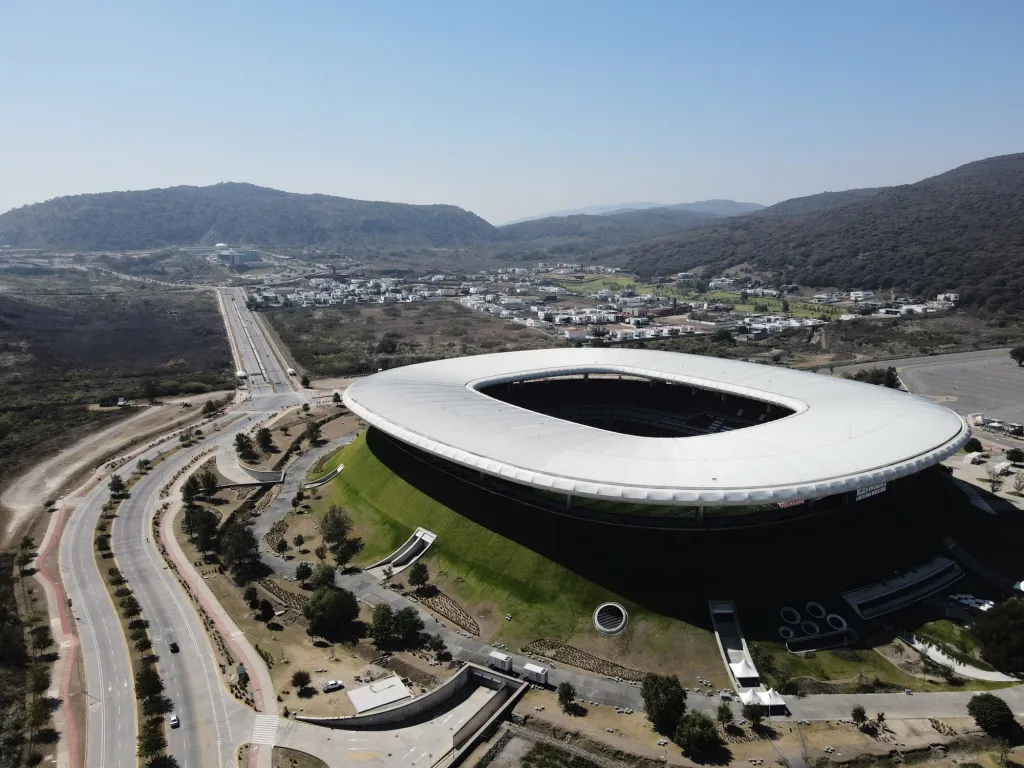
GUADALAJARA, Mexico (AP) — Hugo Alejandro Pérez was in his house a few miles from the Mexican stadium that is slated to host FIFA World Cup games when gunfire and explosions erupted just outside his door.
The 53-year-old restaurant owner was already skeptical about his city, Guadalajara, hosting the international sporting event.
He saw a government that failed to fix basic things, like water service to his home, along with cartel violence in the surrounding state of Jalisco and shook his head. The surge of bloodshed this week following the Mexican military’s killing of the country’s most powerful cartel boss offered more confirmation of his doubts.
“I don’t think they should host the World Cup here,” Peréz said. “We have so many problems, and they want to invest in the World Cup? With all the violence, it’s not a good idea.”
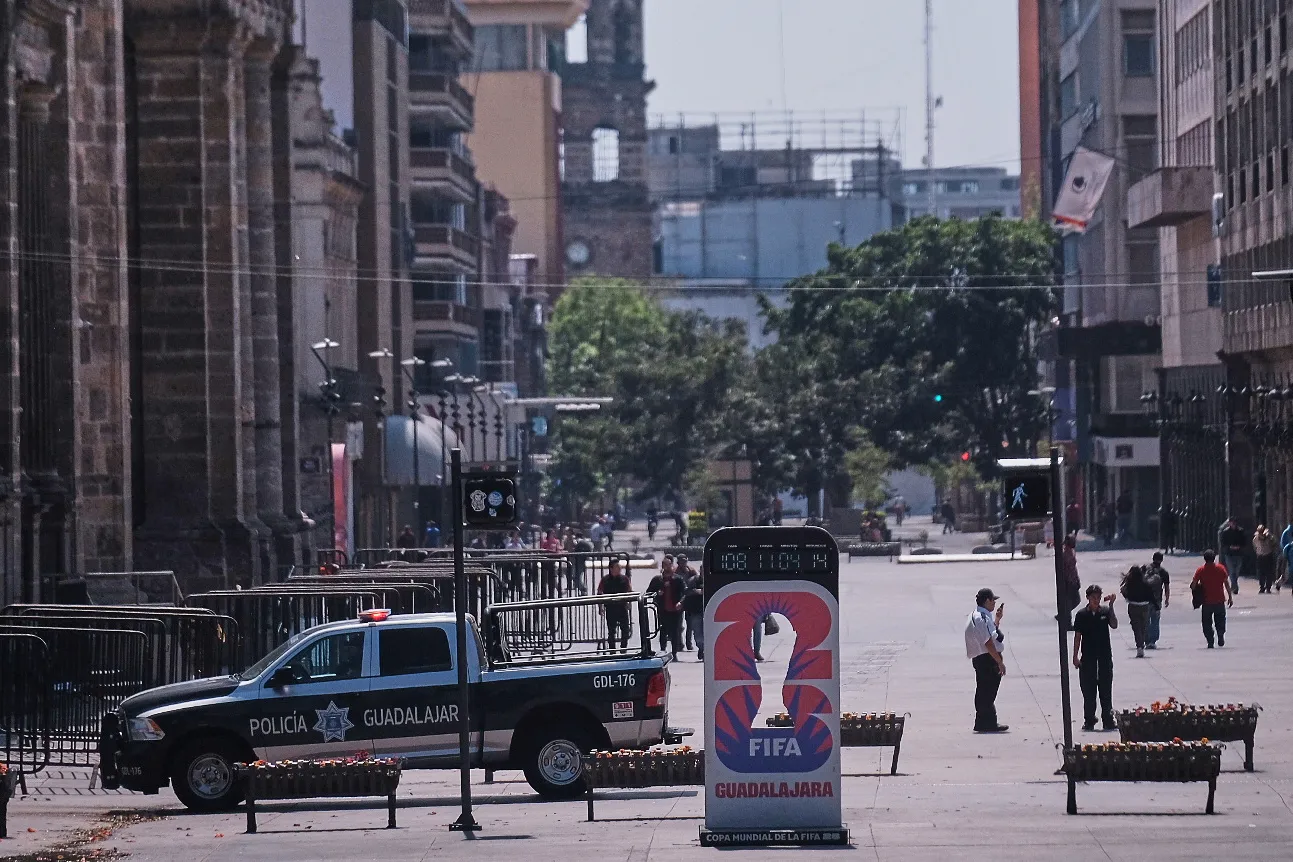
Peréz joined other people Tuesday in questioning Guadalajara’s capacity to be a host city for the summer soccer competition, even as the Mexican government vowed that the international event — hosted jointly by Mexico, the United States and Canada — will not be affected.
President offers ‘every guarantee’ for World Cup
President Claudia Sheinbaum was asked at her daily news briefing what guarantees there are that World Cup matches will be held in Jalisco. “Every guarantee,” she said, adding that there was “no risk” for fans coming to the tournament.
Jalisco Gov. Jesús Pablo Lemus said he had spoken with local FIFA officials, who have “absolutely no intention of removing any venues from Mexico. The three venues remain completely unchanged.”
The same day, the Portuguese soccer federation said it was “closely monitoring the delicate situation” in Mexico.” Its national team was scheduled to play Mexico’s team in a friendly on March 28 at the newly renovated Azteca Stadium in Mexico City, which is scheduled to host the opening World Cup match on June 11.
Jalisco, in western Mexico, was already facing scrutiny. The state has been plagued by some of the starkest examples of cartel violence in recent years, including the discovery of a cartel killing site at a ranch last March and a crisis of disappearances.
The state, with Guadalajara as its capital, is the central hub for the Jalisco New Generation Cartel, whose leader Nemesio Oseguera Cervantes, or “El Mencho,” was killed Sunday in a capture attempt by the military.
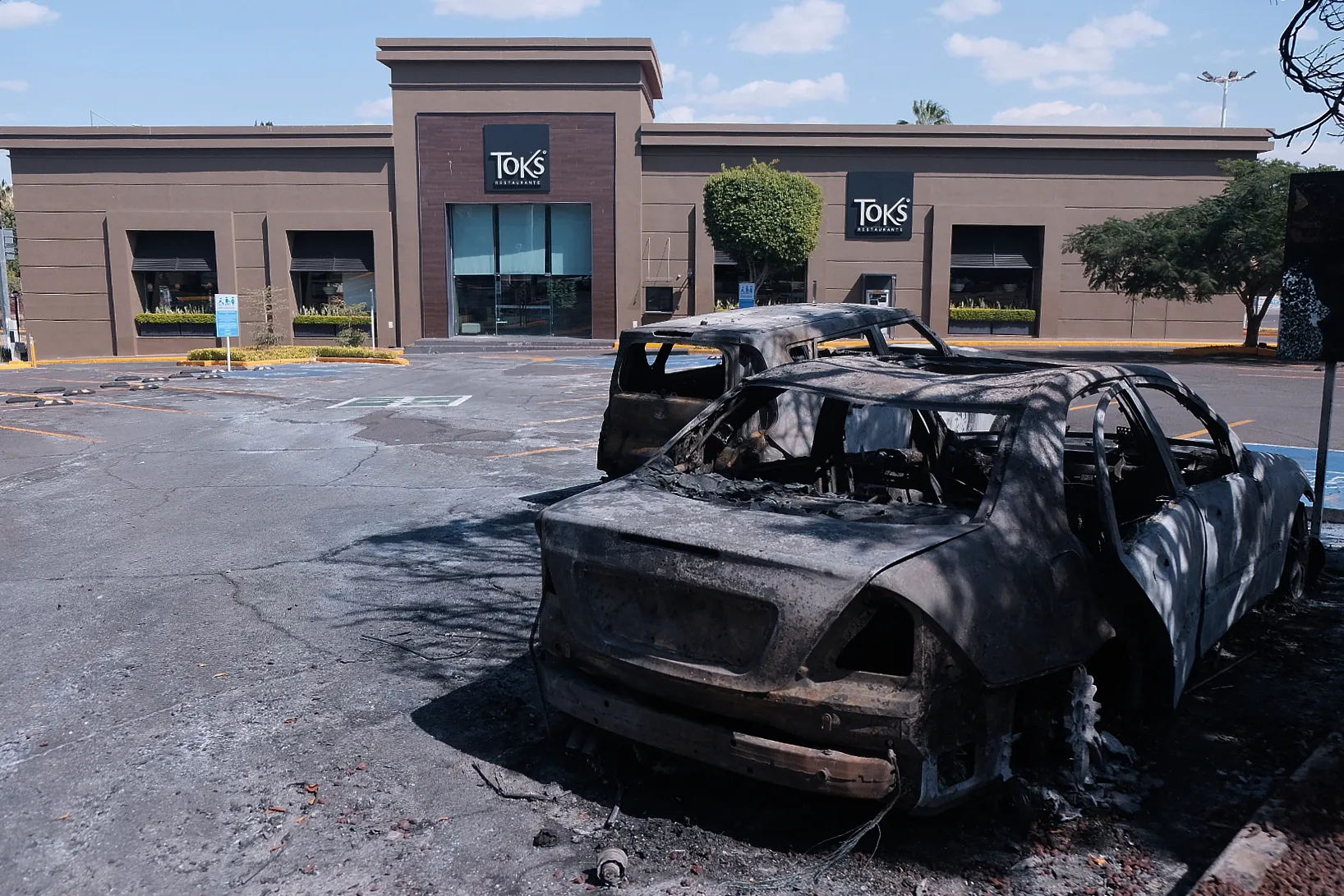
The operation and waves of violence killed 70 people. Cartel gunmen set fire to cars to block streets in states across the country, namely Jalisco, and fought with Mexican forces into Monday as the government said the conflict was under control.
The death of Oseguera Cervantes came as Mexico’s government has stepped up its offensive against cartels in an effort to meet demands by U.S. President Donald Trump to crack down on criminal groups. The cartel, also known as CJNG, is one of the fastest-growing criminal networks in Mexico.
The White House confirmed that the U.S. provided intelligence support to capture the cartel leader and applauded Mexico’s army for taking down a man who was one of the most wanted criminals in both countries. On Tuesday night, U.S. President Donald Trump appeared to briefly reference the operation during his State of the Union address, saying “We’ve also taken down one of the most sinister cartel kingpins of all. You saw that yesterday.”
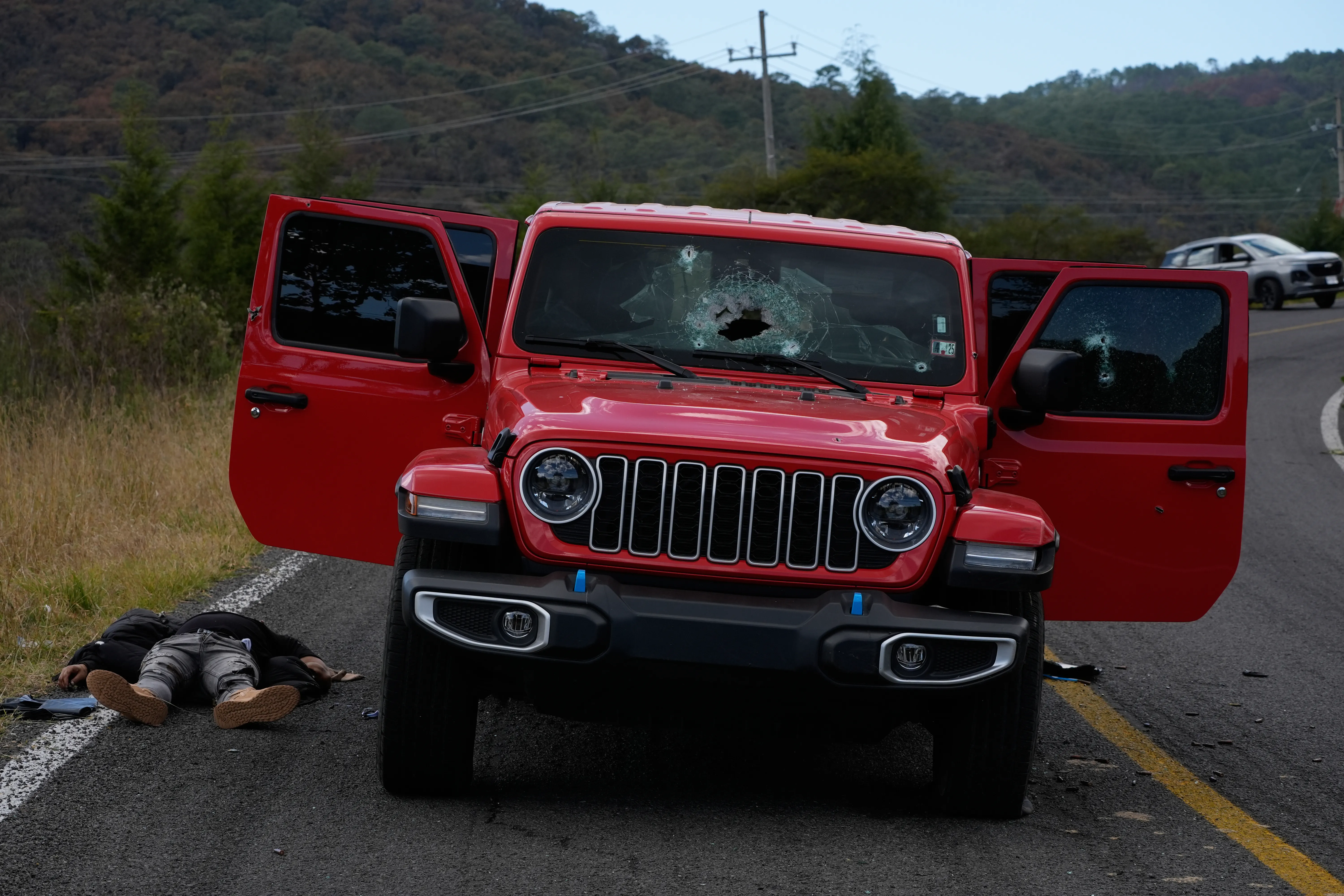
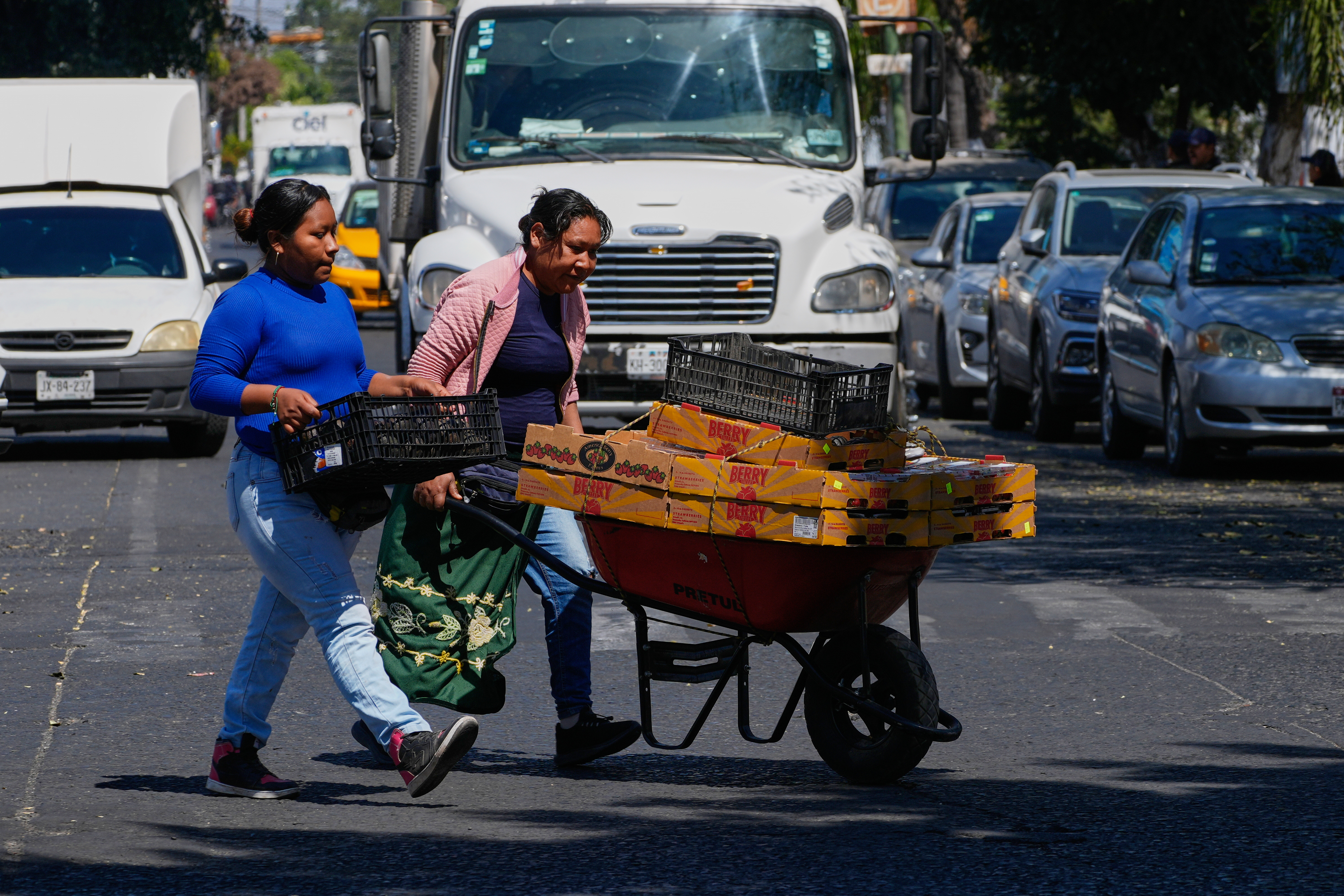
Oseguera Cervantes died after a shootout Sunday with the Mexican military. Mexican Defense Secretary Gen. Ricardo Trevilla said Monday that authorities had tracked one of his romantic partners to his hideout in Tapalpa. The cartel leader and two bodyguards fled into a wooded area where they were seriously wounded in a firefight. They were taken into custody and died on the way to Mexico City, Trevilla said.
Unease looms over tourist towns
In the aftermath, a sense of unease simmered in tourist towns.
The Pacific Ocean resort city of Puerto Vallarta also was hard hit by cartel reprisals, frightening tourists.
Steve Perkins, 57, was visiting Puerto Vallarta with his wife, Gayle, and some friends. They were on their hotel room’s terrace when explosions and black smoke started appearing around the city Sunday morning.
Their return to Broken Arrow, Oklahoma, was delayed when their flight was canceled Monday, and they were rebooked for March 1.
Perkins and his wife have been taking annual trips to Puerto Vallarta since 2012 and have always felt safe, until now. He said they don’t plan on returning to Mexico.
“There’s a lot of Americans trapped here,” Perkins said.
Aguirre worked next to her son in the small neighborhood shop her family has owned for 50 years. The 15-year-old’s classes were canceled due to the violence.
Aguirre said it was unclear whether the military or the cartel was in control of the area surrounding her. The other question on her mind was if this was a one-off event, or if more violence was in store.
“We don’t know if these people (cartel leaders) are permanently here or not,” she said. “If they really did kill this leader, it could be that they fight between each other to win control or see who will lead it.”
Associated Press writers Tales Azzoni in Madrid and Juan Lozano in Houston contributed to this report.






From breaking news and local politics to art exhibitions, live music, high school sports, small businesses, and cultural events, we celebrate the people and places that make Connecticut unique.