15 Connecticut towns approved for red light, speed cameras
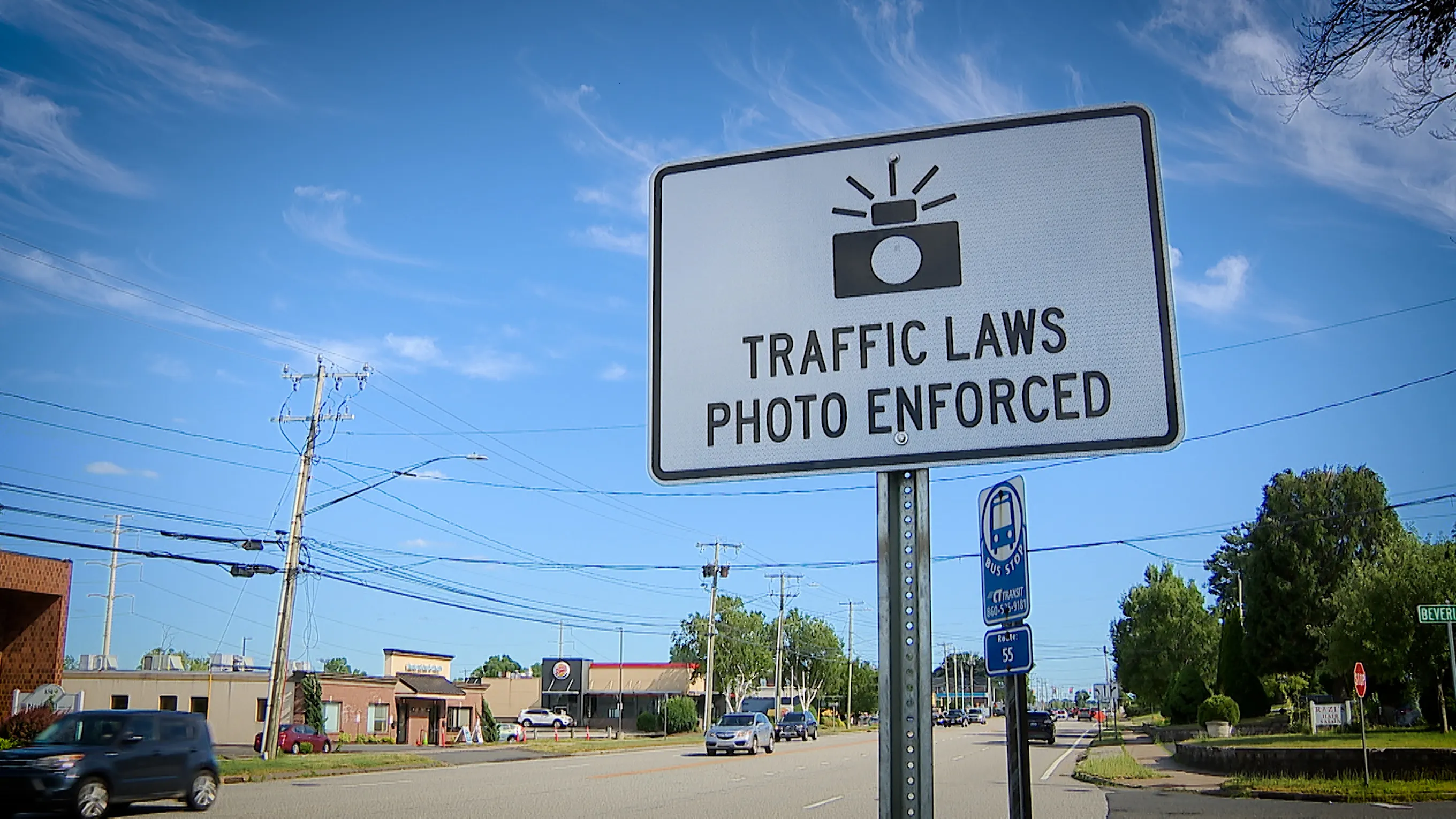
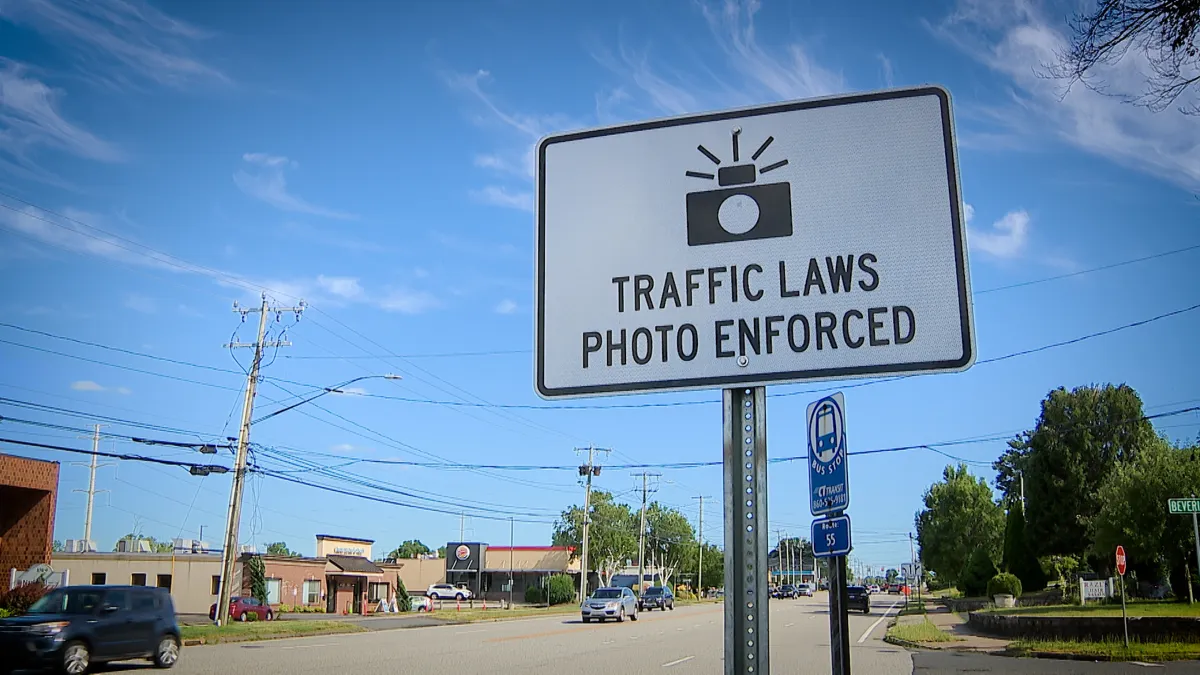
Fifteen towns across Connecticut have received approval from the state Department of Transportation (CT DOT) for red light and speed cameras.
The municipalities are Beacon Falls, Fairfield, Greenwich, Hamden, Marlborough, Middletown, Milford, New Haven, Prospect, Stamford, Stratford, Washington, West Hartford, Wethersfield, and Winchester.
The time between state approval and cameras up and running varies.
Wethersfield received state approval in July 2025. The town began its 30-day warning period for its eight automated enforcement cameras on Monday.
If a driver is caught speeding or running a red light, a warning citation will be mailed. Fines will start after 30 days.
The town of Hamden received approval for its plan in April. It includes three speed cameras and three red-light cameras. The cameras will help change driver behavior and create a safer road for pedestrians, according to the town’s plan.
Kevin Broski said a camera that’s planned for the intersection of Dixwell and Whitney Avenues is not needed.
“I used to live right up the road, and I never have seen anyone run red lights at this intersection,” he said. “I think it’s pretty safe.”
Bristol is in the beginning stage of this process. Just last week, the city council approved an ordinance allowing cameras to catch drivers who run red lights.
Speed cameras can be added to the ordinance later through the police commission.
Camera locations aren’t random. State law requires the city to choose intersections where the most crashes have happened.
Bristol resident David Haberfeld argues that cameras won’t stop bad behavior, so he’s collecting signatures to bring the ordinance to a vote in the next election this summer.
“The people who are running red lights, they’re probably just not paying attention,” he said. “Some of them have bad habits, but I mean, is this really going to stop them?”
Bristol’s mayor said the next step for the city is to make a plan, with camera locations, and submit it to CT DOT for approval.
CT DOT has guidelines for municipalities to follow. Violations are reviewed by the police or the local traffic authority.
Across the state, the first offense cannot exceed $50, the second offense $75. Most towns set fines at those numbers.
Any money collected from fines must be used to improve traffic safety, infrastructure, or help pay for the cameras.




From breaking news and local politics to art exhibitions, live music, high school sports, small businesses, and cultural events, we celebrate the people and places that make Connecticut unique.