
Yale program educates about New England tradition with modern environmental practice
Sugaring season is back in Connecticut, and if the weather cooperates, sap will be running from trees across the state.
A program through Yale is using the New England tradition to teach not only the process, but also environmental stewardship.
“It’s a great way to interact with the forest and practice stewardship,” said Owen Klein, a post-grad fellow working as a Forest Manager for Yale Forests.
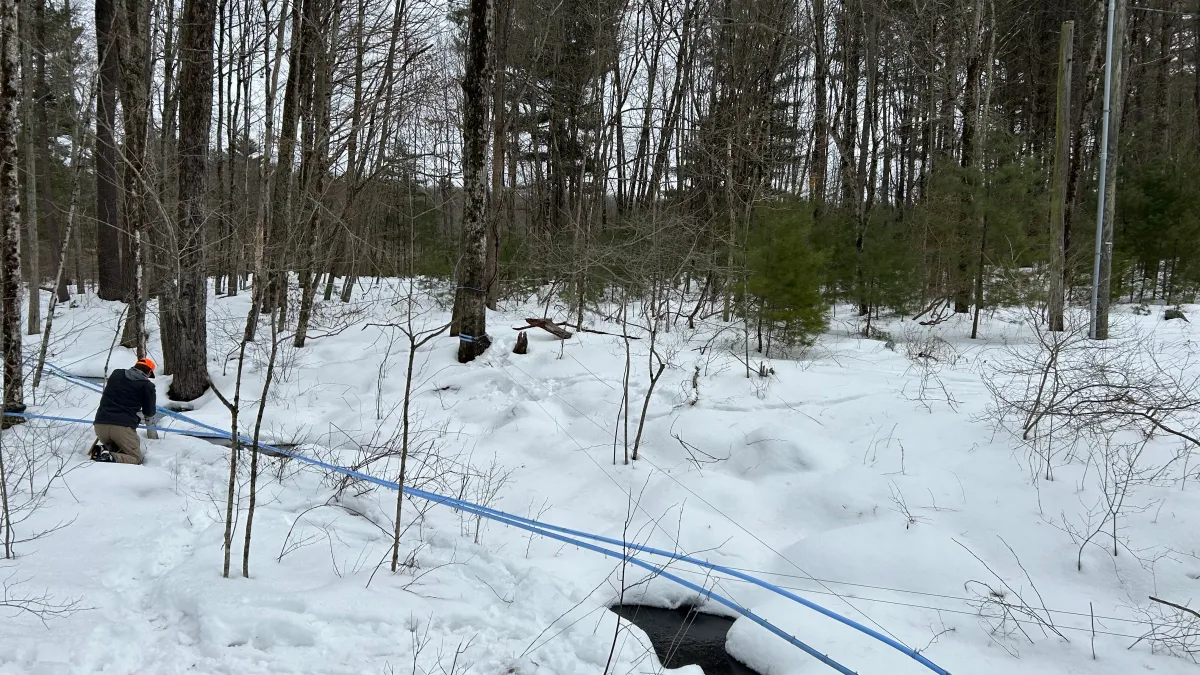
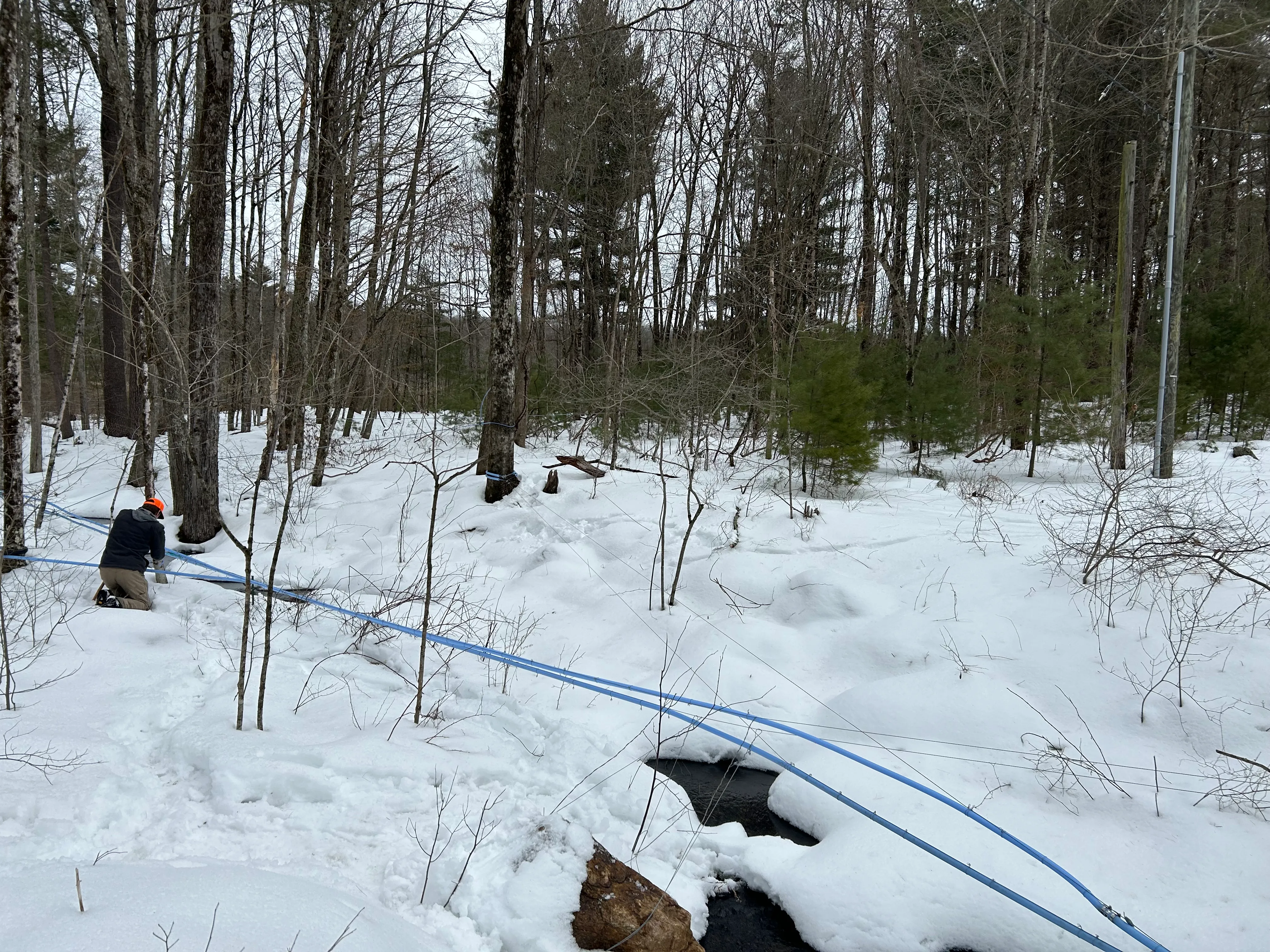
He is getting a first go at sugaring season in the Yale Myers Forest in Eastford.
“I have kind of gotten the opportunity to learn about all parts of it from how to tap trees, how to set up tubing, how we put fittings in,” Klein said.
He is taking a forestry education and applying it on site, but the education is about more than just creating a product destined for a pancake.
“I really enjoy managing a product people love,” Klein said.
Part of the goal is learning about and applying sustainable forest management to protect forests like this one from a changing climate. It’ll keep sap running for generations to come.
“Up on that horizon is the bulk of our sugarbush,” explained Joseph Orefice, with the school.
Orefice is director of forest and agricultural operations, and prior to coming to his current role at Yale in 2018, he worked in the maple industry, so he knows a thing or two about sugaring.
“At a time when the industry can be expanding, and we can be capturing sugar from our woods, efficiently, and profitable, we also are challenged with climate change,” he said.
He explained that a changing climate is directly impacting the maple syrup industry. The business relies on a consistent freeze-thaw pattern, allowing the sap to flow for collection. That pattern is becoming more volatile, and the window to collect is shortening.
He explained that the time to be a good steward of the forest is now.
“It’s a gift that trees have been giving people since time and memorial, since indigenous peoples figured this out,” Orefice said.
He is using this relatively small-scale operation to teach students and professionals alike about good management practices that would protect the industry. Like clearing space for crop trees by clearing some of their competitors and using that wood to fuel the final step of sap boiling to create syrup.
Also, managing sugarbush to store excess carbon, or converting processing systems away from pure boiling, to integrating reverse osmosis to save time and electricity.
“How do you manage your trees? How do you make sure your system is sustainable?” he said.
Orefice explained that because sugaring is conceptually simple and a New England staple, it’s an easy and engaging launch point to get people excited about sustainable forest management.
“It ties people to the ecosystems, and because it has challenges, people worry about it, people care about it,” he said.
And regardless of whether students go into industry, lessons from a well-maintained sugarbush can translate to forests anywhere.
Orefice noted helping protect sugaring operations also means engaging with local producers, and making sure what you’re pouring over your pancakes is local.







From breaking news and local politics to art exhibitions, live music, high school sports, small businesses, and cultural events, we celebrate the people and places that make Connecticut unique.