Windsor father turns loss into push for defibrillators in schools
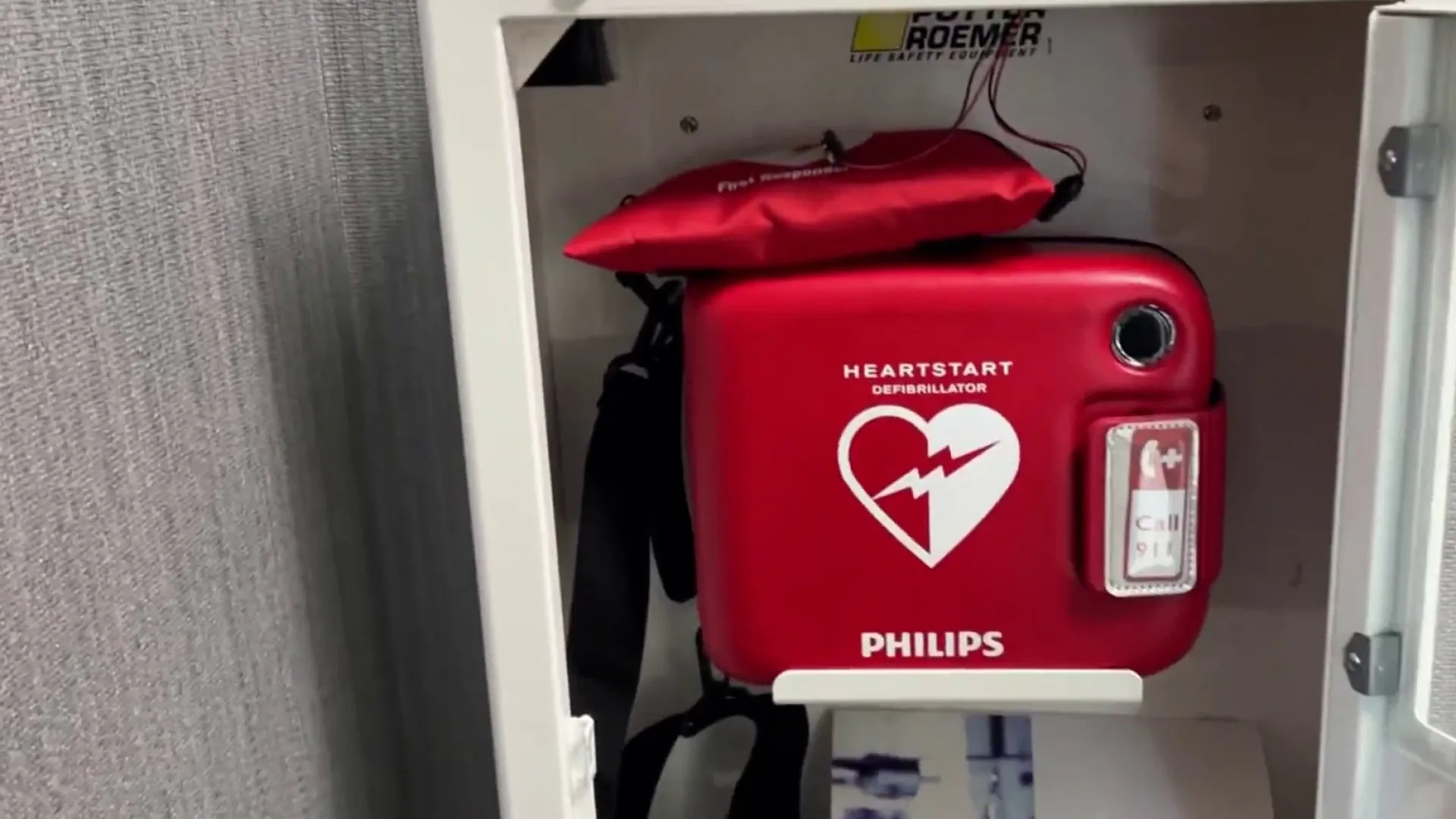
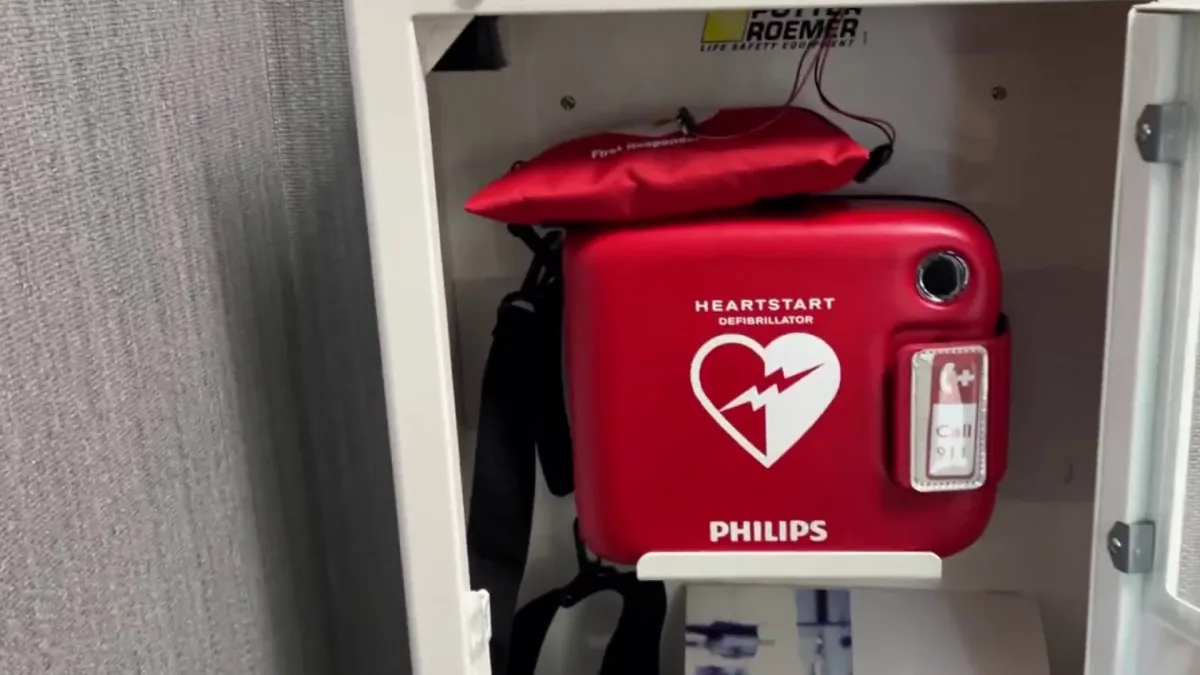
School districts are supposed to have plans in place for responding to sudden cardiac arrest.
State law requires that districts have money for things like defibrillators, training, and other elements of the plan, though some districts still have no such document.
Now, the American Heart Association (AHA) and some families are pushing lawmakers to include $300,000 in the budget.
“I’ve seen these legislators move mountains in just a matter of days, so the amount of money we’re looking for is just 300,000 dollars,” AHA State Government Relations Director Jim Williams said.
He said the money would help districts buy defibrillators, replace outdated parts, and pay for training.
Jay Rivera, whose son Eli died at the age of 15 after a sudden cardiac arrest during a football practice outside Windsor High School, also said the funding is critical.
“If those things were there, available, we might be having a different conversation,” Rivera said. “It could be a life-saving situation instead of a tragic one.”
He said his son Eli, who was 6’5” and weighed 295 pounds, had dreams of playing football in college and possibly beyond.
“He was always a big kid, had a big heart,” Rivera said of his son.
Rivera said defibrillators and training could help other families avoid the same outcome.
The funding is not included in any of the budget proposals presented by Gov. Ned Lamont, (D-Connecticut), or lawmakers.
Lawmakers and the governor are negotiating changes to the existing two-year budget, meaning they have less ability to make changes before the session ends May 6.
Sen. Jason Perillo, (R-Shelton), is part of a small bipartisan group who agrees the funding should be in the final spending plan.
“The biggest life-saving tool when it comes to cardiac arrest is an AED,” said Perillo, who was once chief of Echo Hose Ambulance in Shelton. “9 out of 10 individuals who experience a cardiac arrest who are defibrillated in the first minute survive.”






From breaking news and local politics to art exhibitions, live music, high school sports, small businesses, and cultural events, we celebrate the people and places that make Connecticut unique.