Water safety tips after busy weekend on Connecticut's waterways
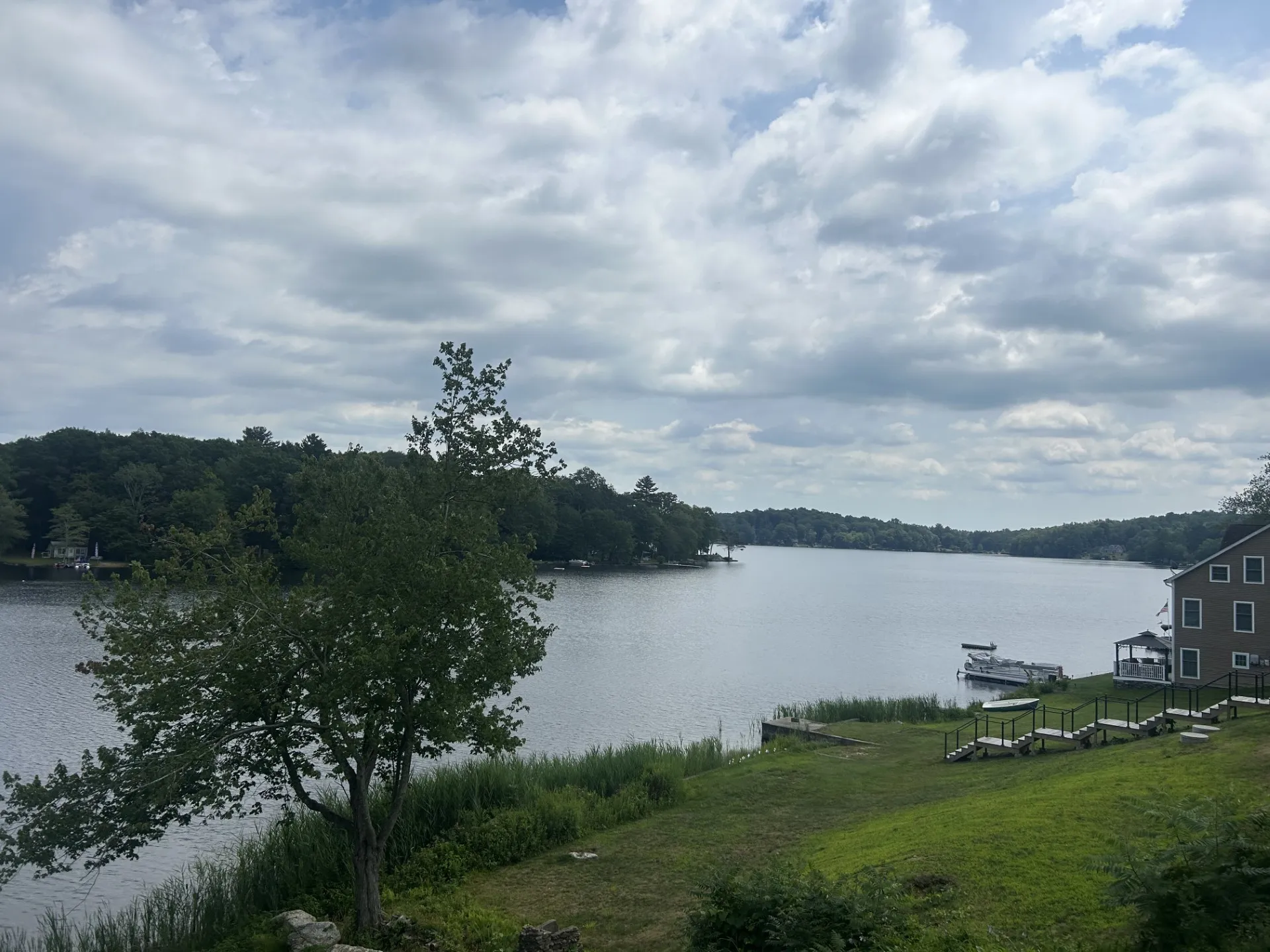
It’s been a busy weekend for first responders on Connecticut’s waterways.
A man died in a Jet Ski accident in Chester, a boat hit something in the New London area of Long Island Sound, and a teenager died after having a medical emergency and falling off a paddleboard on Crystal Pond in Eastford. The teen was pulled out of the water by a good Samaratin.
Bungay Fire Brigade Chief David Elliot said one of the key lessons taught in water rescues is: “Reach, throw, row, go.”
Elliot says bystanders should first try to reach a victim with a stick or rope. If that is not possible, they should throw something the person can grab, such as a flotation device.
“This gives them a ring for them to hold on to,” Elliot said of a rescue device that can be kept on a watercraft.
If those options are not possible, Elliot said rescuers can boat out to the person or, as a last resort, swim out, though he recommends leaving that to professionals.
“Simple things like wearing a life jacket when you’re on a paddleboard or boat is critical,” Elliot said.
He said boaters should make sure a life jacket is Coast Guard-approved and properly sized.
According to state data, 89% of drownings from 2018 to 2025 happened when no life jacket (or personal flotation device) was used.
“You have waves, you have current, you have swell, you have all these other things that are going on. So checking marine weather specifically is really helpful,” said Mia Dupuis of the Connecticut Department of Energy and Environmental Protection.
The state’s boating division shows data that there were 46 boating incidents in 2025 involving different levels of severity, vessel types and bodies of water.
“Being aware of not only your boat, but the boats that are around you and the people that are around you, because our waterways are busy this time of year,” Dupuis said.
Safety experts also recommend making sure people on shore know where you are going and keeping your phone in a waterproof bag.





From breaking news and local politics to art exhibitions, live music, high school sports, small businesses, and cultural events, we celebrate the people and places that make Connecticut unique.