U.S. Department of Education presses colleges on costs, admissions and student success
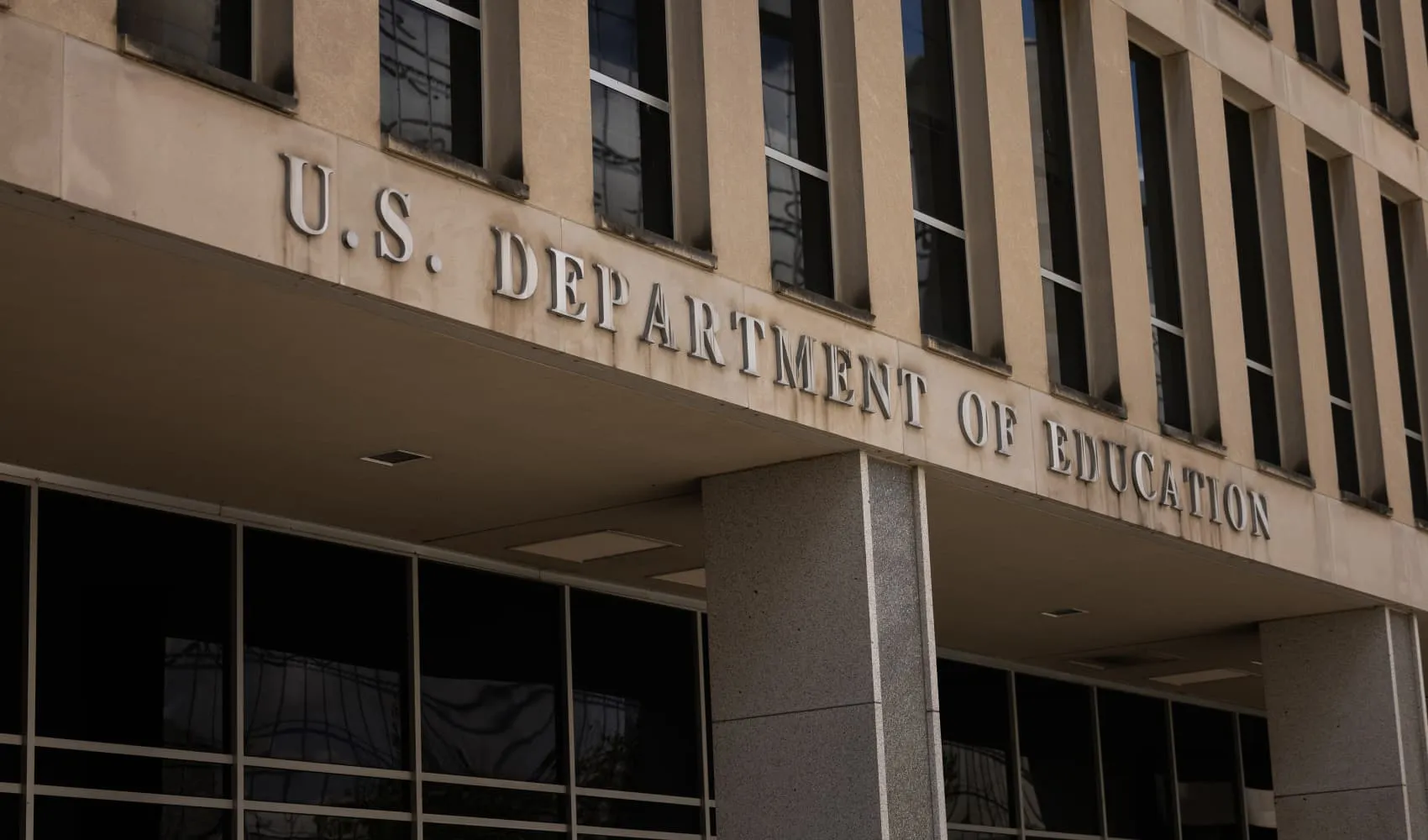
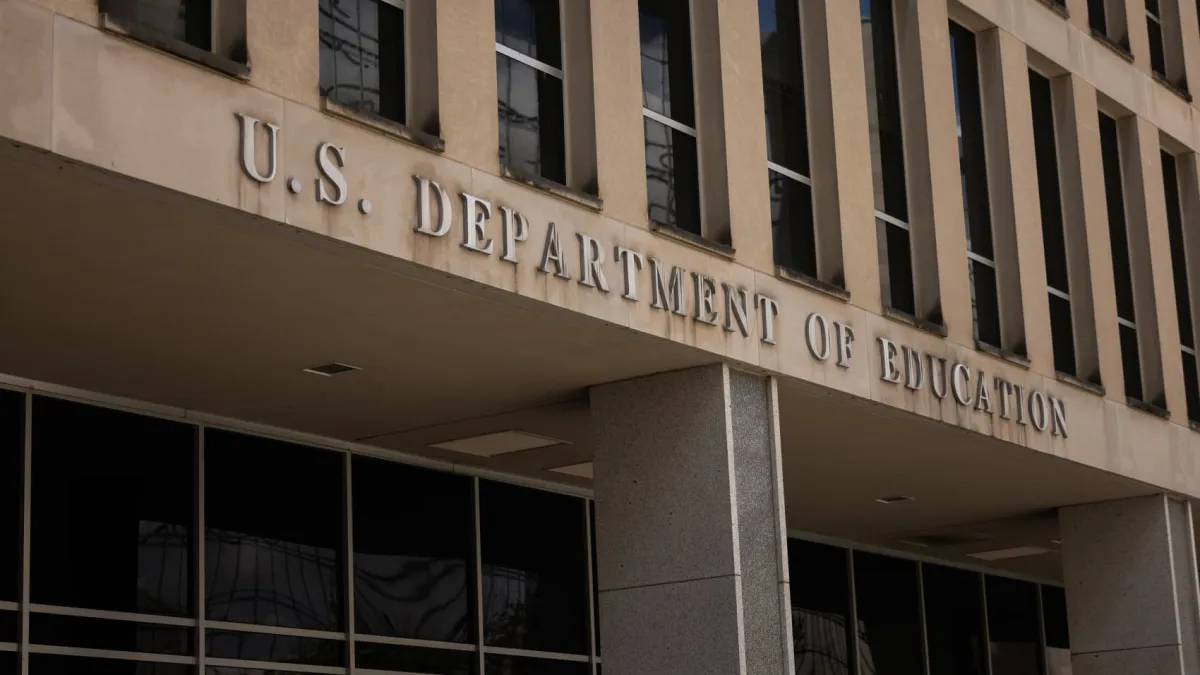
The U.S. Department of Education wants to know how colleges and universities are addressing a range of problems, including tuition costs and ensuring students succeed after graduation.
Education Secretary Linda McMahon’s letter also touches on some hot-button priorities of the Trump Administration, such as free speech on campus, the use of race in admissions and prioritizing U.S.-born families.
“For centuries, American colleges and universities were a source of immense national pride: they excited in students a love of beauty and truth; they advanced science and opened opportunities in a growing national economy; they powered the modern research enterprise that secures our sovereignty and military might; and they served as indispensable repositories of our civilizational inheritance,” she wrote in the Aug. 3 letter.
“Yet, as higher education has drifted from the principles that built up so much public esteem, Americans’ trust in universities has reached record lows.”
McMahon asks schools to approve updates statements of principle before the end of the year. Connecticut’s schools said they’re reviewing the letter.
“As Connecticut’s public higher education system, CSCU is committed to providing an affordable, high-quality education that meets the needs of our students and Connecticut’s workforce goals.,” Connecticut State Colleges and Universities system spokesman Samantha Norton said in a statement.
Lawmakers agreed the letter touches on some important questions, including efforts by schools to keep costs down.
McMahon also wants schools to explain how they evaluate how they help families access “high-value degrees.”
“The cost of that degree and what your debt may be when you’re all down, I think we’re trying to do that on the state level here,” Sen. Henri Martin, (R-Bristol), said.
Sen. Derek Slap, (D-West Hartford), agreed those are problems the state wants to address.
He accused the Trump Administration of making the problem worse, though, including cutting funding for research grants and reclassifying nursing, teaching and other professions.
The decision limits the size of loans those students can receive.
“I read the letter and wondered is this the same administration that’s been actively attacking higher education,” Slap said.
The letter also touches on some of the criticisms Donald Trump has lodged against colleges, starting with admissions standards.
The Justice Department has accused Yale of illegally using race as an admissions factor in a law suit. McMahon’s letter, meanwhile, asks schools to be transparent with plans that “admissions decisions are based on merit, achievement, and your university’s educational purpose”.
She also asks schools how they will “advance American security interests, deliver academic programs.”
Additionally, she asks schools to detail how they will protect free speech and academic freedom.
Martin embraced those questions.
“If you do allow this freedom of speech to occur and you encourage that, what are you going to do to protect those students and professors?”
Yale University President Maurie McInnis told the university in a letter that the school has already taken steps to foster those freedoms.
“As these undertakings demonstrate, Yale is committed to drawing on internal and external expertise to ensure that our teaching, research, and scholarship are rooted in our institutional commitment to academic freedom, open inquiry, and free expression,” she wrote.
Gov. Ned Lamont, (D-Connecticut), said he hadn’t read McMahon’s letter but he still had concerns about the Trump Administration trying to shape campus policies.
“I’m not sure I want the Trump administration dictating to universities what their mission statement should be,” he said. “I think that’s the exact opposite of academic freedom.”







From breaking news and local politics to art exhibitions, live music, high school sports, small businesses, and cultural events, we celebrate the people and places that make Connecticut unique.