
Sustainability efforts at Connecticut College nationally recognized
Connecticut College in New London is taking sustainability to a whole new level.
“We use 2017 as our sort of baseline year for reporting our emissions, and as of 2025, we have a 14 percent emissions reduction from that baseline,” said Margaret Bounds, Connecticut College’s director of sustainability.
The Office of Sustainability has taken many measures to make that happen, including a step back from using natural gas on parts of campus.
“This building that we’re in right now [New London Hall] has a geothermal heating and cooling system, which makes the building much more efficient,” Bounds said.
The college is even being recognized nationally for its sustainability efforts.
The Association for the Advancement of Sustainability and Higher Education issues stars to colleges and universities through their Sustainable Tracking Assessment and Reporting System, and Connecticut College ranks very high.
“We are gold-rated, so it puts us really as a leader, especially for our level of institution, a smaller school like ours,” said Doug Thompson, the Suzi Oppenheimer ’56 faculty director of the Office of Sustainability.
The college has held this rating since 2021, but its commitment to sustainability started long before.
“We have an environmental studies program, the second oldest in the country,” Thompson said. “We actually have been sequestering carbon on campus for a long time.”
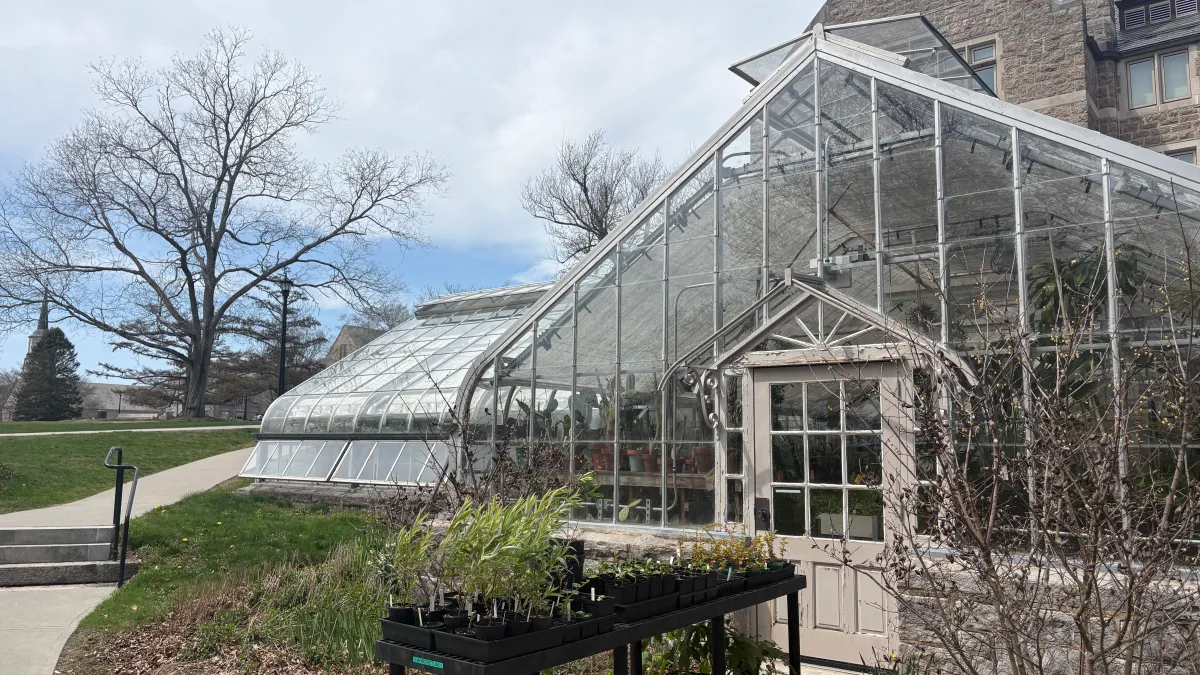
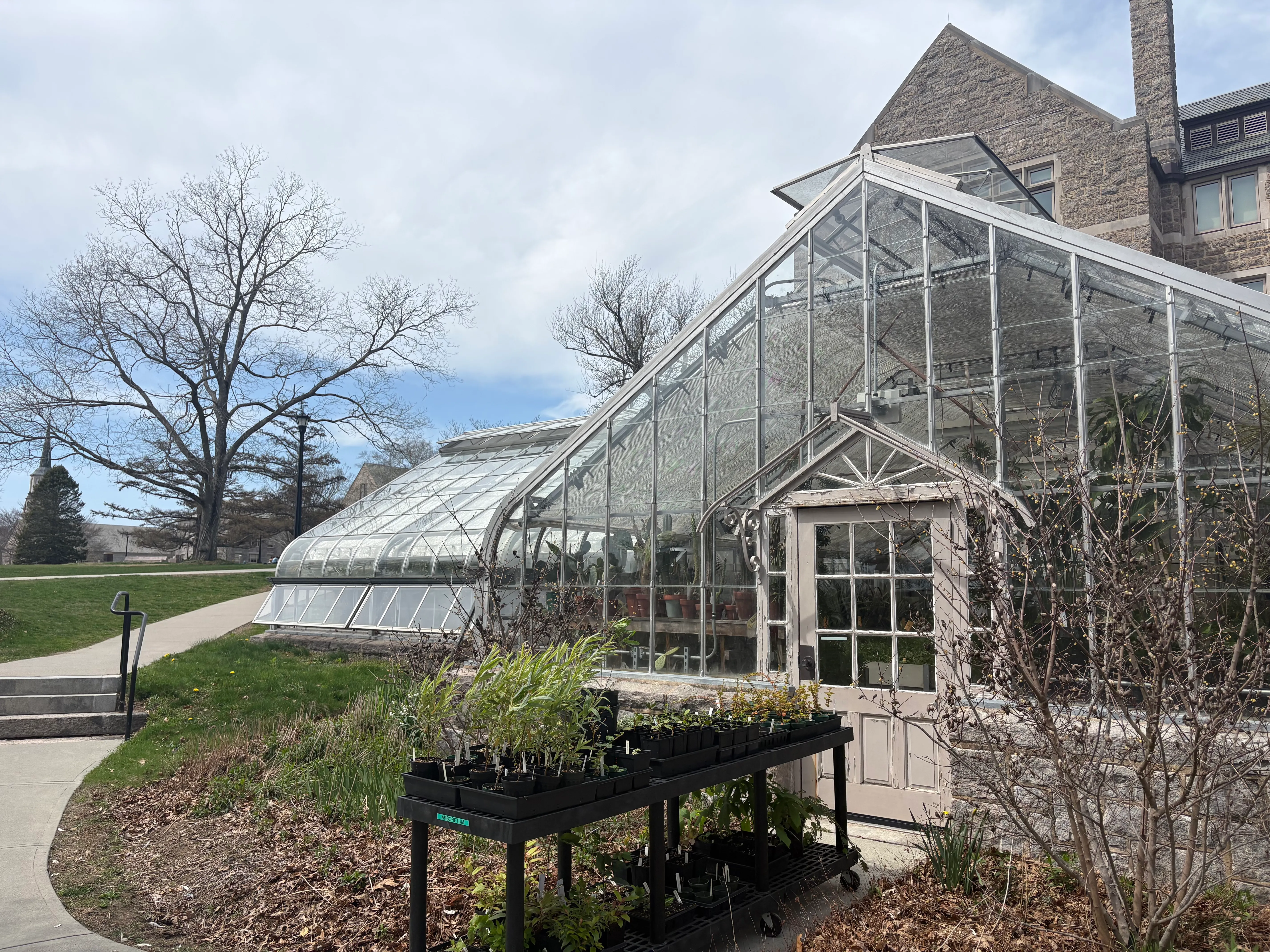
Connecticut College’s campus is unique as it sits among an arboretum and a botanical garden. While it provides students with a beautiful background, the plants also help reduce the area’s carbon concentration.
“The idea is that we don’t have old-growth trees, so we still have younger trees on the landscape,” Thompson said. “As those trees continue to mature, they are basically taking in carbon dioxide and building their wood structure with it, which basically locks up that carbon for as long as the tree’s alive.”
Students at Connecticut College have been at the forefront of many of these sustainability projects, as well.
“We have that sort of long history, so it’s really just built into the values that students bring to the college, and they kind of expect us to be working on sustainability, I think,” Bounds said.







From breaking news and local politics to art exhibitions, live music, high school sports, small businesses, and cultural events, we celebrate the people and places that make Connecticut unique.