
State officials urge parents to stay vigilant against online exploitation threats
Connecticut officials are warning parents about dangerous online groups that exploit and manipulate young people through social media, chat apps and gaming platforms, urging families to stay engaged in their children’s online activity.
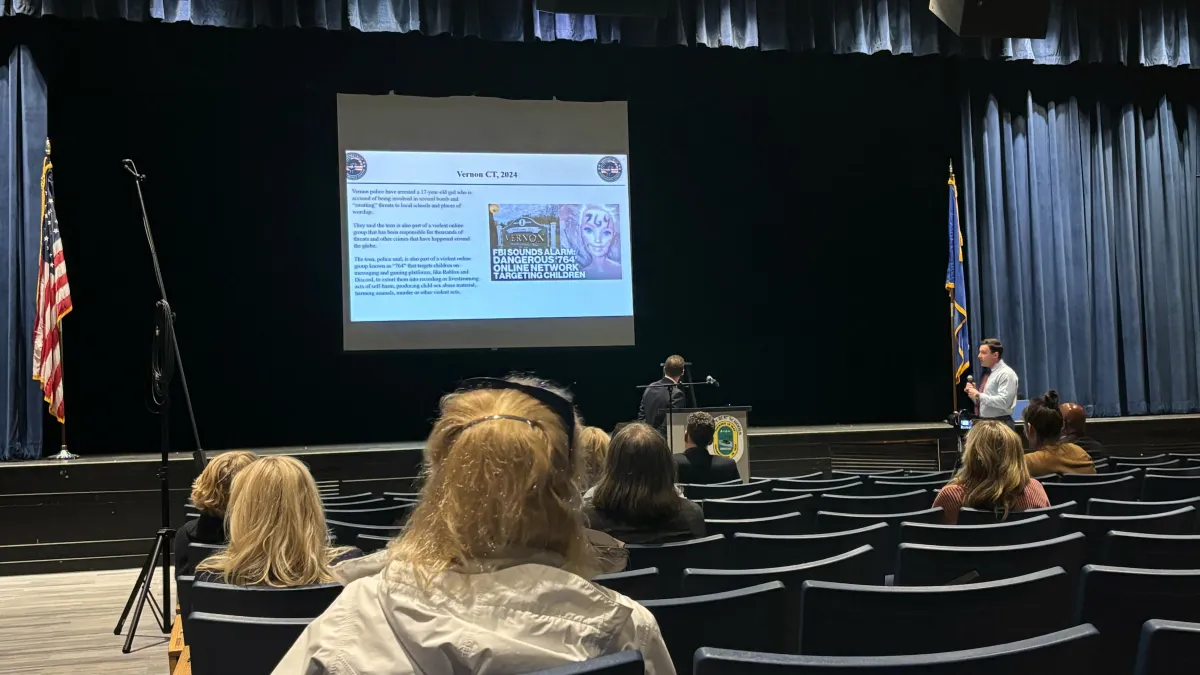
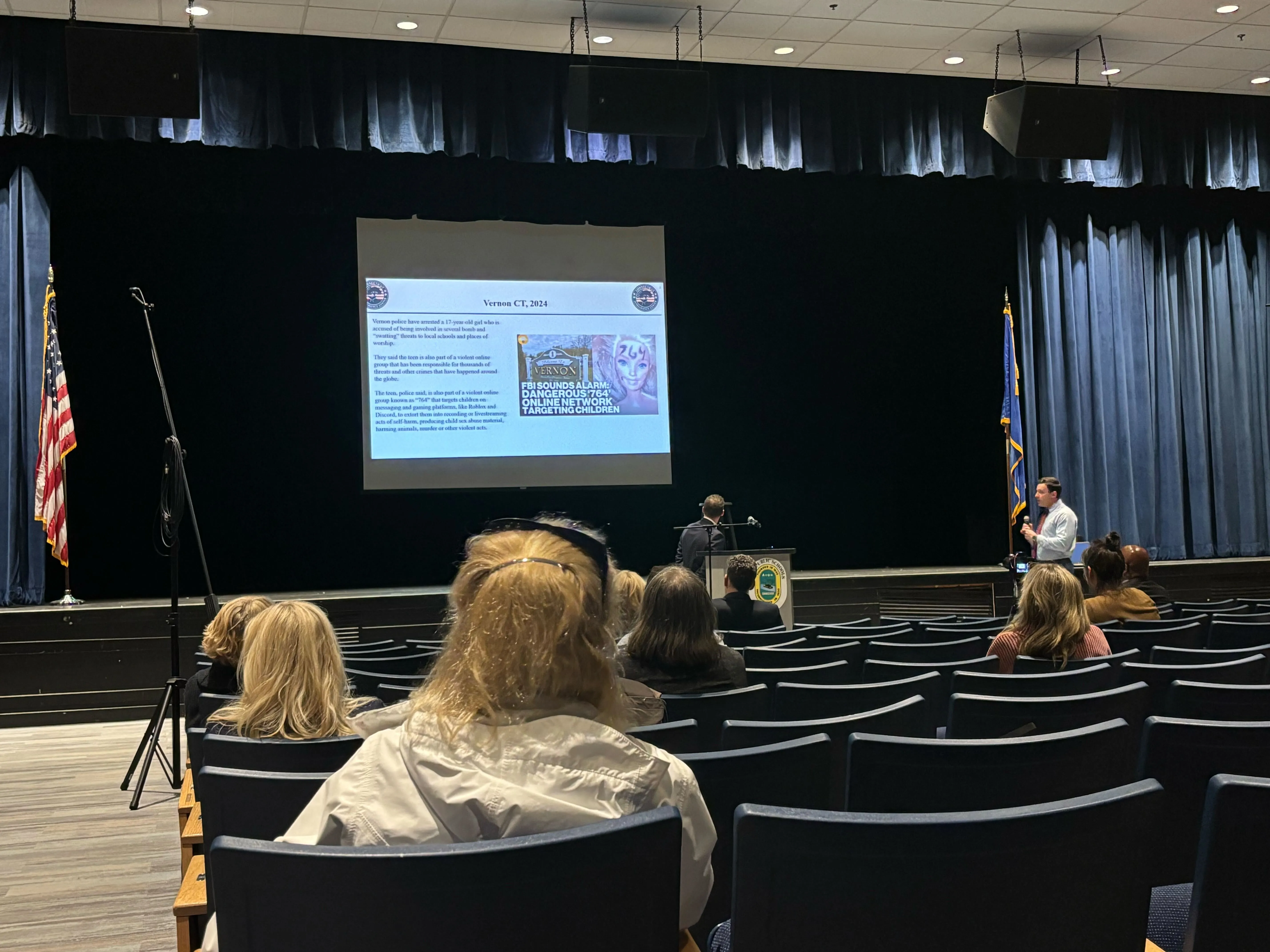
The warning came during a forum in Avon, where state leaders discussed the growing threat of nihilistic violent extremism, a network that glorifies violence and often targets teenagers online. Officials said the groups seek vulnerable minors and can be linked to crimes, including sextortion, extortion, and other forms of exploitation.
Evan Allard, director of the Connecticut Intelligence Center, said the threat is growing.
“They seek sextortion. They seek to prey on vulnerable individuals, mostly minors, and they do it internationally,” Allard explained.
According to Allard, the FBI is investigating more than 300 cases nationwide, including some in Connecticut.
One case involved a 17-year-old girl in Vernon who was arrested in 2024 in connection with swatting calls and bomb threats targeting schools and places of worship. Police said she was coerced by a violent online network known as “764,” which authorities have linked to child exploitation, extortion, and other criminal activity.
For parents like Debra Steremberg of Avon, monitoring online activity has long been a priority.
“You could see a change in behavior, and we were like, ‘You’re done.’. That was it,” said Steremberg.
State officials said a common factor in many cases is unrestricted internet access. They are encouraging parents to have regular conversations with their children about what they encounter online and who they communicate with.
Department of Emergency Services and Public Protection (DESPP) Commissioner Ronnell Higgins said parents play a critical role in preventing harm before law enforcement becomes involved.
“They’re our first line of defense, even before law enforcement gets involved. Parents are there. They’re in the household. You know your kids, I know my kids better than anyone else,” he said.
Officials also recommend keeping computers in open areas of the home where parents can more easily supervise online activity. They said teaching digital literacy skills can help children recognize risks and better protect their personal information.
Allard said young people should learn how to identify potential warning signs when interacting with people online.
“How to identify somebody who may not be who they claim to be on some of these large social media platforms and gaming sites,” said Allard.
Officials emphasized that the threat is not limited to any single app or platform. Their message to parents is to stay involved, ask questions, and understand who their children are communicating with online.
“It’s real and you have to be aware of it, and you have to know what’s out there in order to protect your kids,” Steremberg said.







From breaking news and local politics to art exhibitions, live music, high school sports, small businesses, and cultural events, we celebrate the people and places that make Connecticut unique.