Speed cameras launching in Connecticut work zones; fines coming for drivers
Drivers traveling through Connecticut work zones should be aware of a new enforcement effort now taking effect.
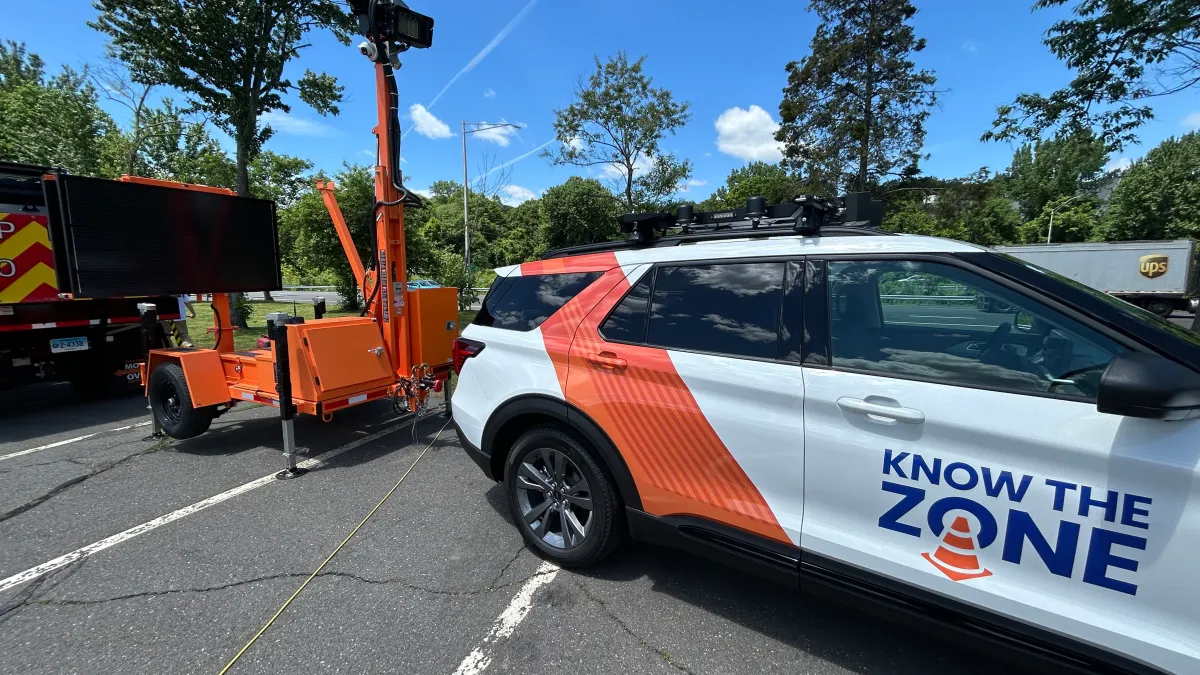
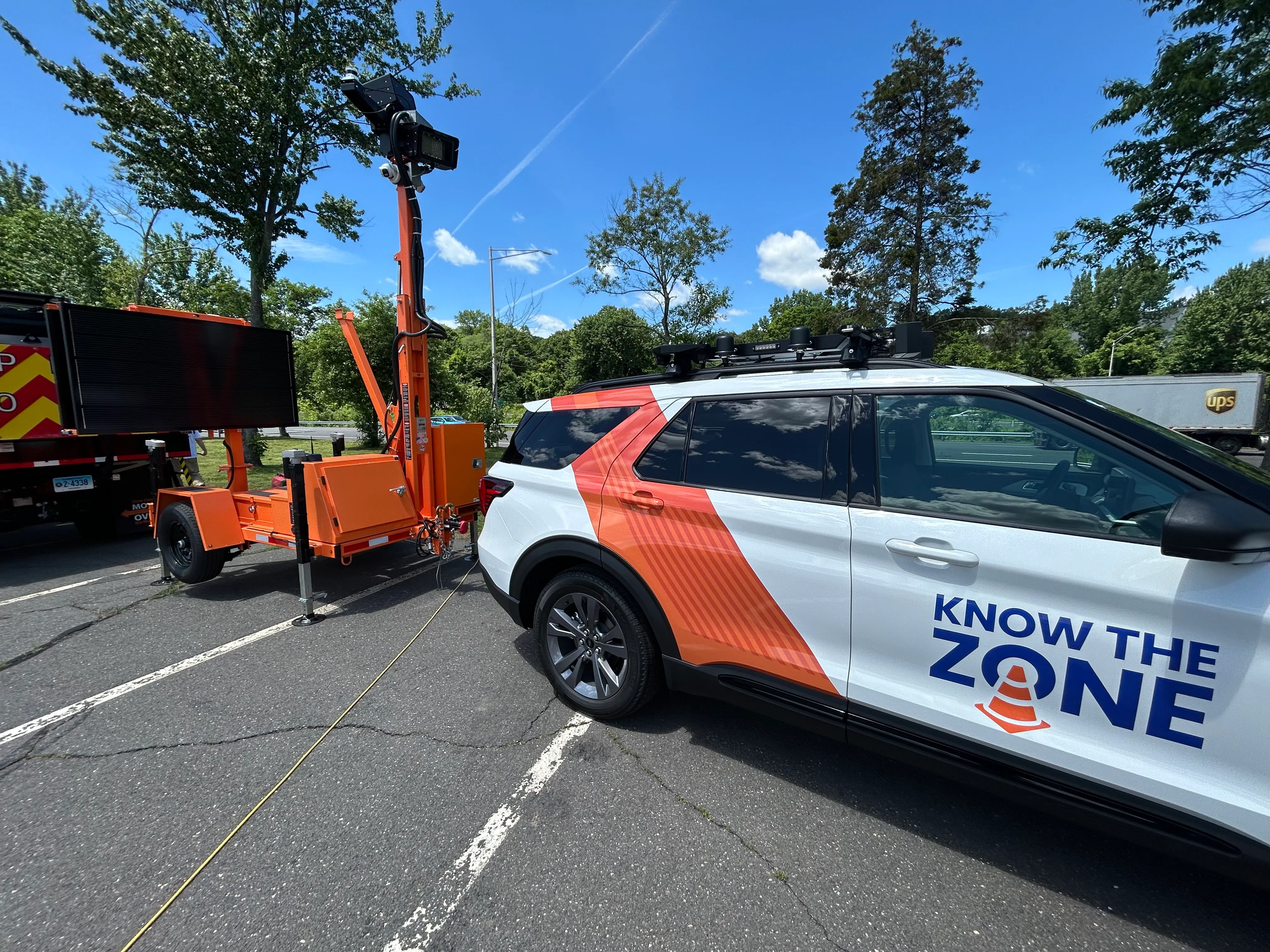
After months of testing, speed cameras are being officially launched at several construction sites across the state. Officials say drivers who exceed the speed limit could soon face fines.
The goal, according to officials, is safety — not revenue.
Alarming test results
Lou Desjardins, a project foreman who has spent decades working on highways, said dangerous driving is a constant concern.
“You always are looking over your shoulder, always looking over your shoulder,” Desjardins said.
Desjardins said his work zone was among those selected for speed camera testing.
And the results highlighted the risks workers face every day.
“More than 4,000 drivers were recorded traveling over 85mph through a work zone, and about 150 drivers were going over 100mph through a work zone when workers were present doing their job,” said Garrett Eucalitto, CTDOT commissioner.
Officials said the testing phase showed improvement. In one location, speeds dropped by 17%.
Where cameras are launching
The program officially launches Monday in East Lyme, West Haven, and Colchester.
State police emphasized the potential consequences of speeding through active construction zones.
“When a driver speeds through an active work zone, that decision can have serious and deadly consequences,” said Colonel Daniel Loughman, State Police.
How enforcement will work
Drivers going 10mph or more above the limit will begin receiving warnings on Monday.
Starting July 6, enforcement escalates:
- A first offense results in a written warning
- A second offense within one year carries a $75 fine
Drivers traveling 85 mph or faster will only receive a fine.
A call to slow down
Workers say they hope enforcement won’t be necessary if drivers simply change their behavior.
“Just slow down, please. Slow down. Pay attention. Put your phones down,” said Desjardins.
What’s next
Officials say the program could expand to as many as 15 sites statewide. It may also be used in areas where road crews are performing maintenance, not just major construction zones.





From breaking news and local politics to art exhibitions, live music, high school sports, small businesses, and cultural events, we celebrate the people and places that make Connecticut unique.