
Plans advance for climate resilience hubs in Hartford, New Haven, and Bridgeport
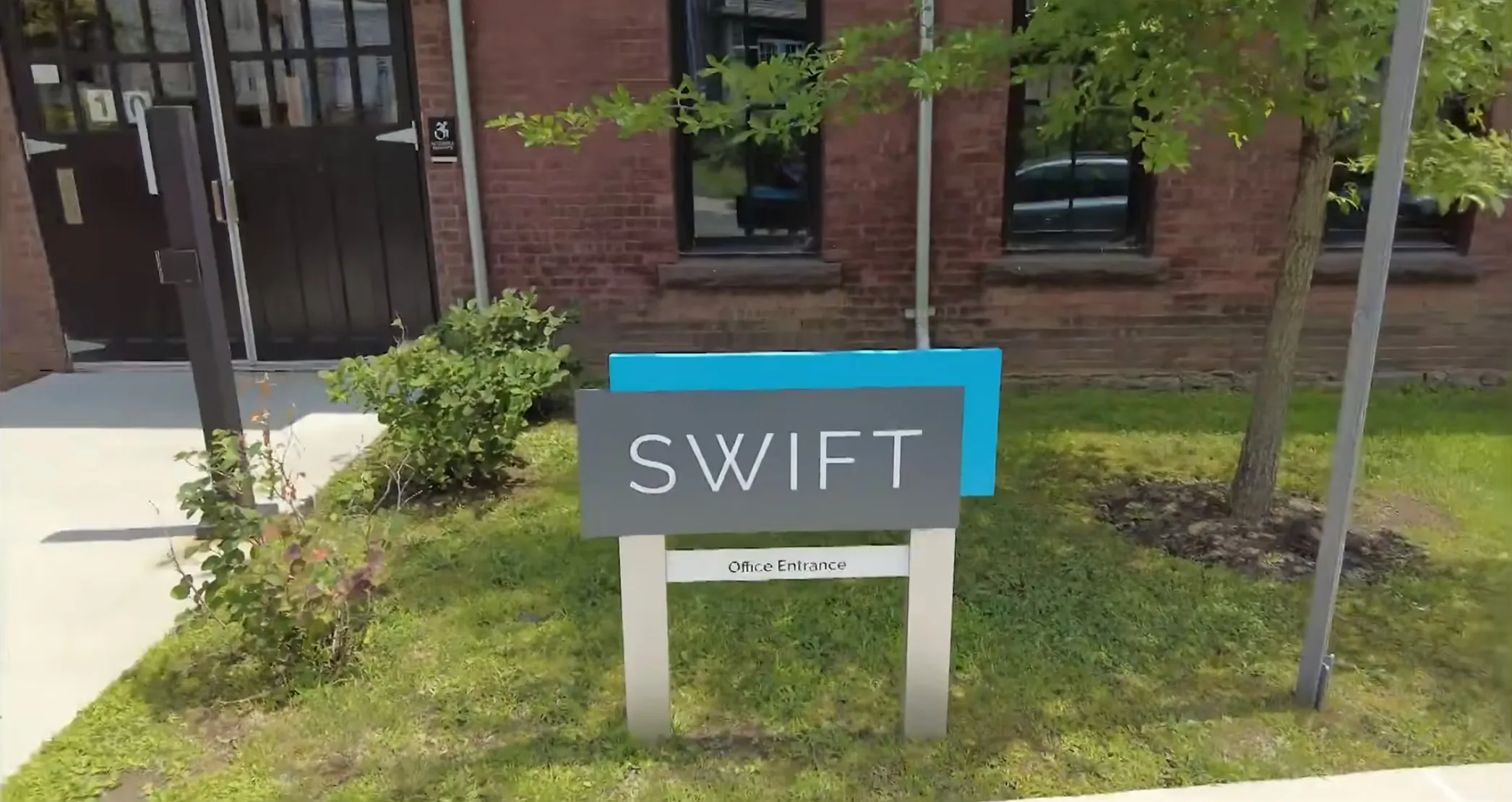
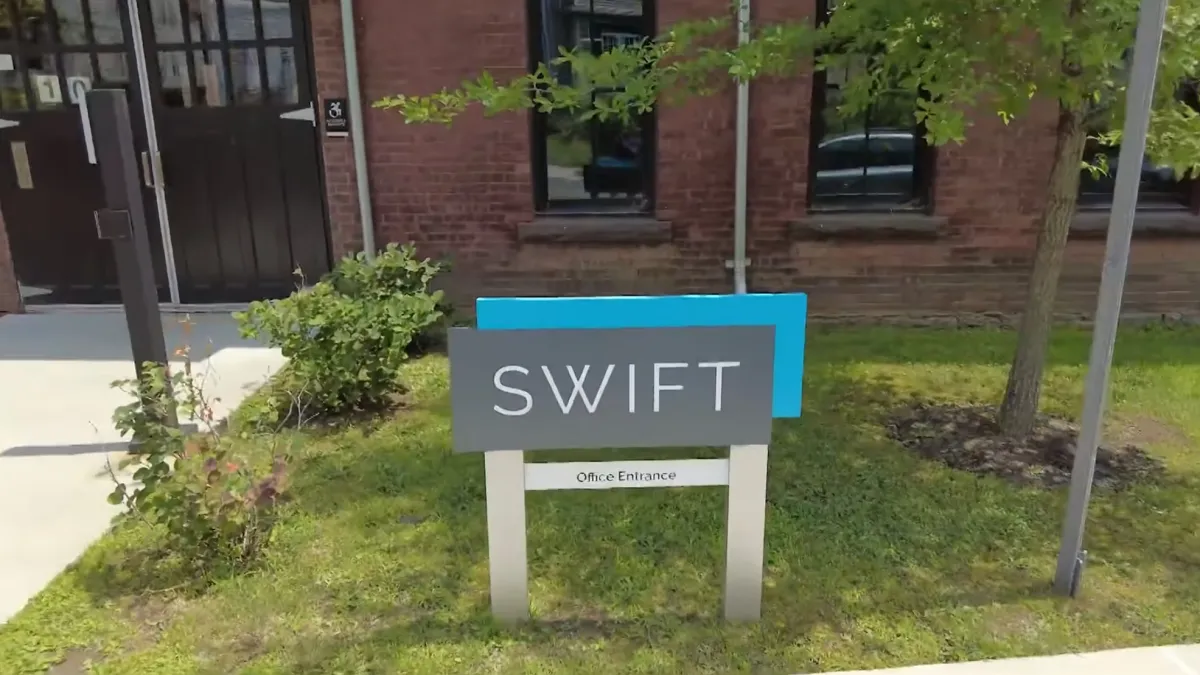
At Hartford’s Swift Factory, the North Hartford Partnership recently selected consultants who will assess climate risks, conduct site analyses, engage community members, and identify funding opportunities for the proposed hubs.
The resilience hubs are intended to serve some of Connecticut’s most climate-vulnerable neighborhoods, providing resources before, during, and after extreme weather events.
“This is about 10,000 square feet of space that we’re looking to build out as soon as funding becomes available,” said Brenda Watson of the North Hartford Partnership while discussing a potential hub location in Hartford’s North End.
Organizers say the hubs would focus on emergency preparedness, energy equity, and economic resilience, while also creating pathways to green jobs and clean energy technologies.
“For disproportionately impacted areas, we are creating solutions for them to deal with things like too much sun, too much heat, too much cold, too much rain, too much flooding,” explains Andrea Hawkins with Leading Culture Solutions, one of the consulting agencies.
North Hartford has been identified as an area particularly vulnerable to climate change impacts, including urban heat island effects and flash flooding from heavy rainfall.
In addition to serving as community gathering spaces during emergencies, organizers envision the hubs helping residents access clean energy technologies and programs that could lower utility costs and improve health outcomes.
“And in quiet times like now, be able to help the community access clean and green technology that would help reduce their energy burden and improve their health and economic outcomes,” Watson said.
Supporters say the hubs could help residents better withstand extreme heat, severe storms, power outages, and rising energy costs while ensuring resources are distributed equitably throughout the community.
“Making sure that we’re doing the things that we need to do to be sure that everyone can access, have equitable access to all of those resources,” Hawkins said.
Following the planning phase, project partners will move into design and community engagement efforts while seeking additional funding to bring the resilience hubs from concept to reality.







From breaking news and local politics to art exhibitions, live music, high school sports, small businesses, and cultural events, we celebrate the people and places that make Connecticut unique.