
New Haven wrongful conviction cases from the 90s move through the courts
There is a growing number of wrongful conviction cases in New Haven, dating back to the 1990s. In the last year, two men – Marquis Jackson and Troy Streater – were each awarded more than $5 million in separate cases.
Streater’s is the most recent. On Friday, the state Judiciary Committee granted $5.7 million following a pardon for a 1990 murder conviction. Attorney Alexander Taubes, who represents Streater, says the cases share a troubling pattern.
“One common thread that we see in all of these New Haven wrongful conviction cases is a complete lack of forensic, physical, or scientific evidence,” Taubes said.
He explained that there are at least a dozen cases in the National Registry of Exonerations from New Haven, a data point he says is high for a city and state of its size.
That online list includes Streater and Jackson, Scott Lewis, and Stefon Morant. The pair were both convicted of murder in the mid-1990s.
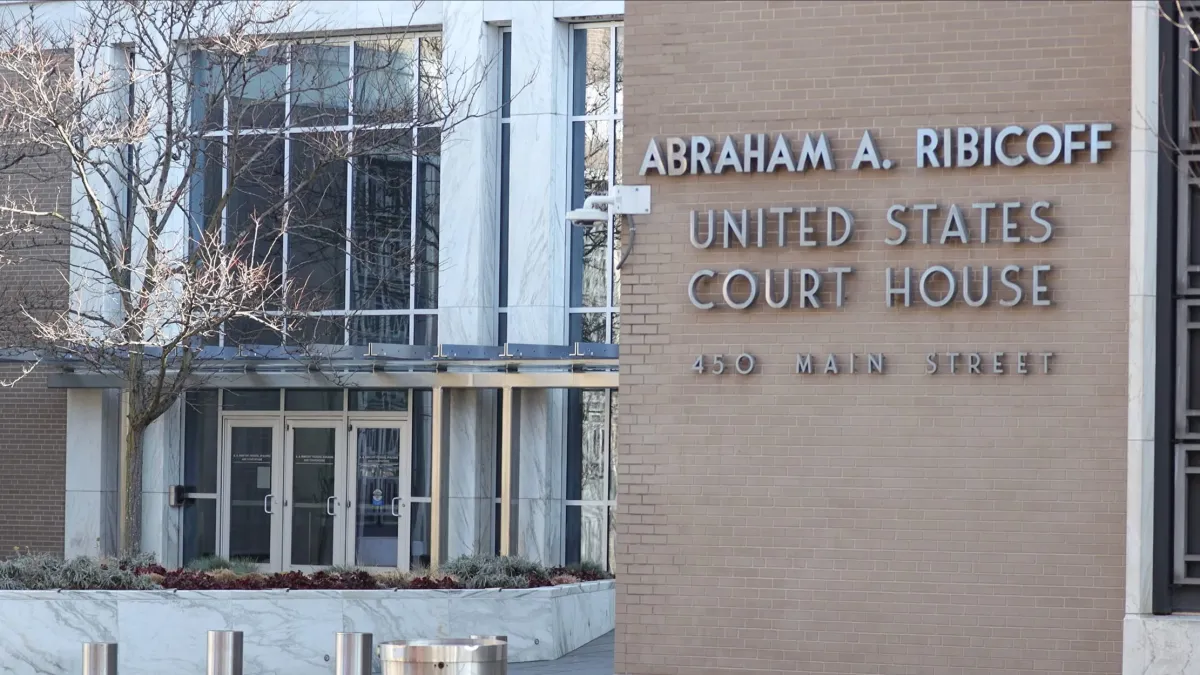
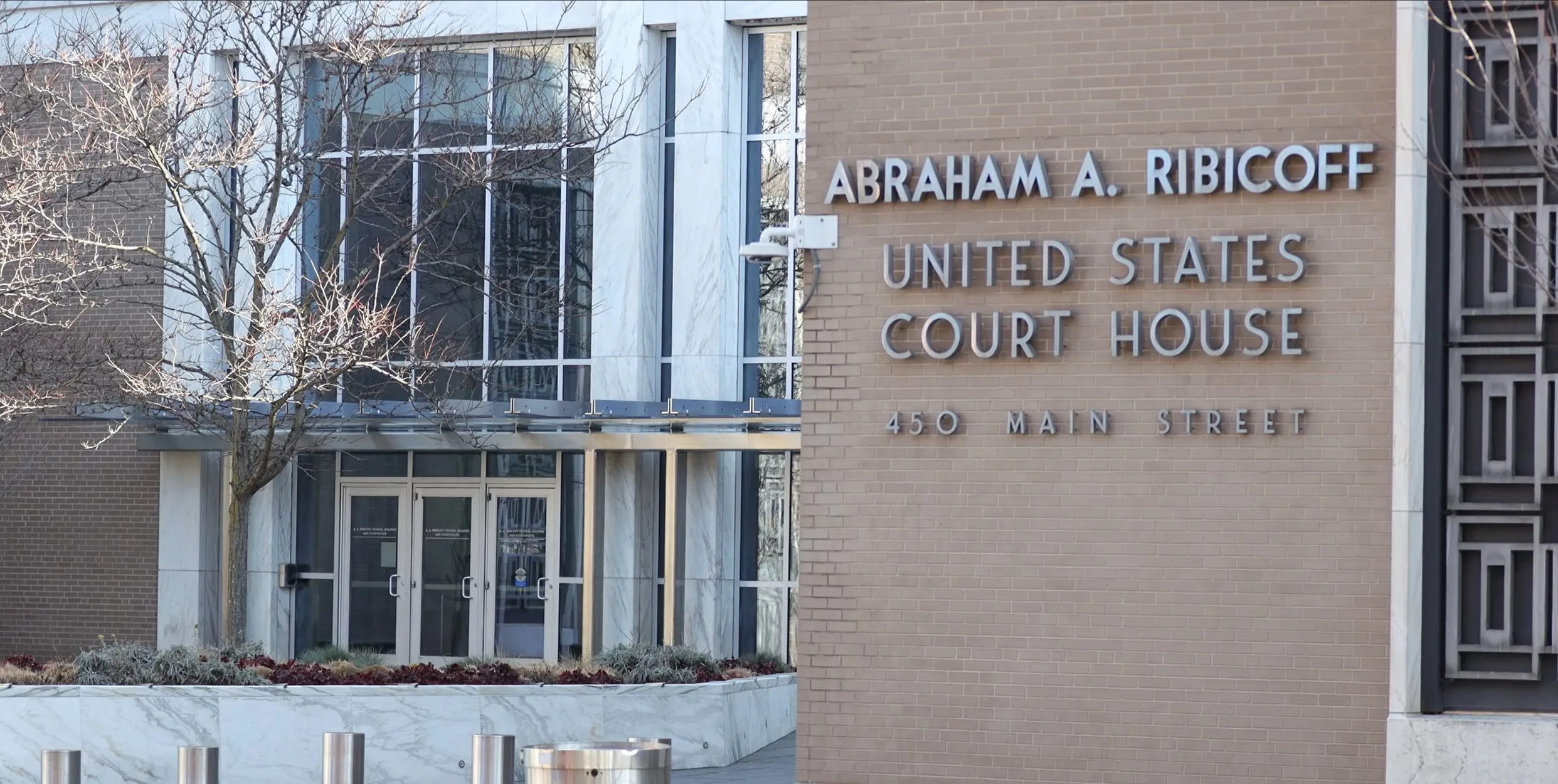
Lewis said he was at work at the time, and his boss backed him up. He was exonerated in 2015 and later received a $9 million settlement from the City of New Haven under then-mayor Toni Harp. Morant, who said he was visiting family in South Carolina during the incident, was exonerated in 2021. He is currently suing the New Haven Police Department in federal court in Hartford.
New Haven Mayor Justin Elicker acknowledged the seriousness of wrongful convictions while emphasizing that each case is evaluated individually.
“If someone is wrongfully convicted, that’s awful—and a miscarriage of our justice system,” said Elicker. “They should avail themselves of the courts to try to rectify that situation.”
When it comes to compensation, Taubes pointed to the $9 million settlement under the Harp administration and questioned the need for Morant’s current federal case.
While declining to comment on ongoing litigation, Elicker said the city remains focused on the current department, including holding officers accountable.
“What’s important to me is ensuring that our police department today is doing everything to ensure that they treat everyone in the community fairly.
Taubes said many of the convictions from that time relied heavily on eyewitness testimony—evidence that has become increasingly scrutinized. He’d like to see the creation of an independent panel of forensic scientists to review potentially flawed cases.
“Allow hard science to look at these cases that were based many times simply off of eyewitness testimony, with no physical evidence involved,” he said.
He says he’s aware of at least two additional people currently incarcerated who may have cases similar to those of Streater and Morant, suggesting that more cases like these could surface.





From breaking news and local politics to art exhibitions, live music, high school sports, small businesses, and cultural events, we celebrate the people and places that make Connecticut unique.