
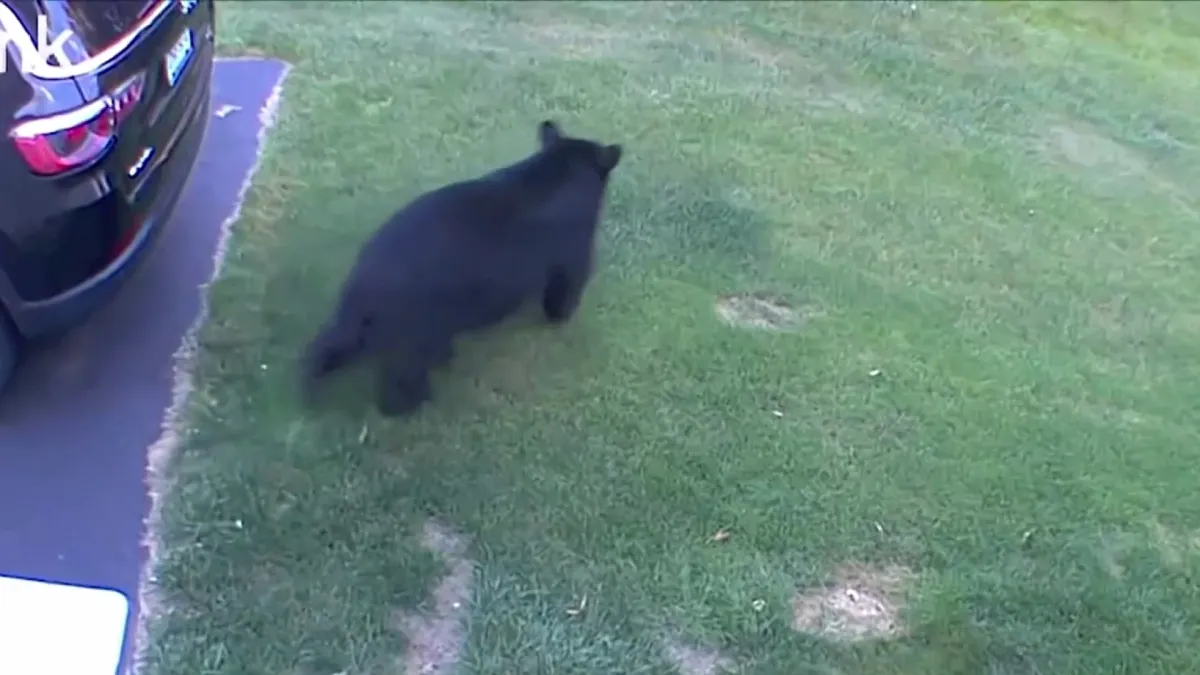
Negative bear interactions continue at concerning rate, prompting more warnings from wildlife officials
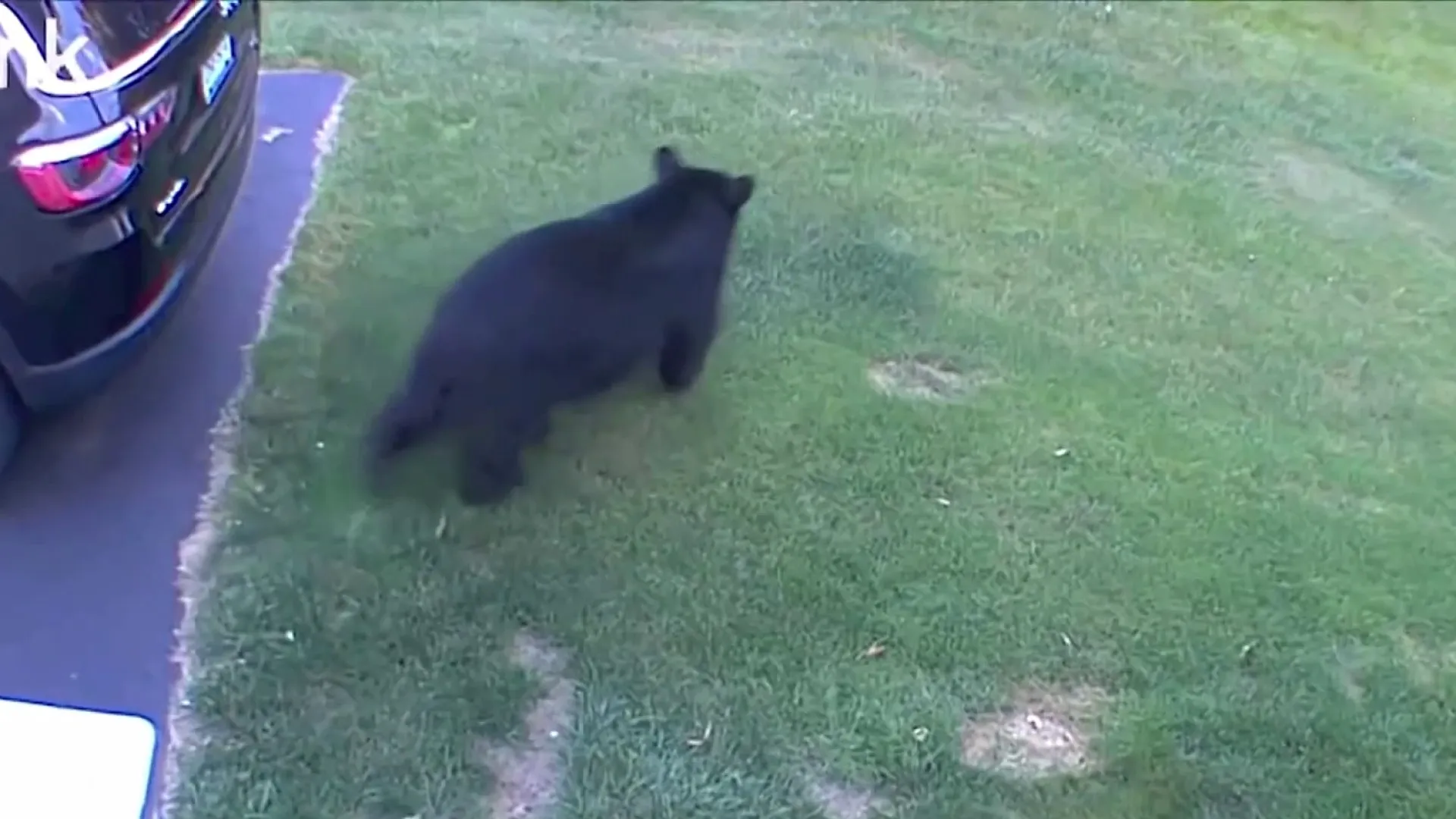
Connecticut wildlife officials are warning that bears are becoming increasingly bold as nuisance bear complaints and home break-ins continue to rise across the state.
Environmental Conservation Police report responding to more than 100 nuisance bear calls so far this year, including 20 home break-ins. Officials say the pace is similar to that of record-setting 2024, when 76 home break-ins were reported. Since the start of April alone, officers have responded to nearly 100 nuisance bear calls.
In Torrington, a community with a long history of bear activity, residents say encounters have become a regular part of life.
George, a Torrington resident, said bears frequently target neighborhood trash.
“A lot of times they come in and knock over the barrels and scatter everything,” George said.
Residents say the animals are showing little fear of people.
“I had to chase a couple out of our yard and they just look at you, like who are you, they think they have rights,” George said.
Wildlife officials say Connecticut’s bear population continues to grow, and communities like Torrington have become accustomed to seeing bears in neighborhoods.
Eric Garay, of Torrington, said securing trash can help prevent problems.
“When they walk by, they go for the trash. As long as you keep your trash indoors, you’ll be fine,” Garay said.
Some residents use loud noises and other tactics to scare bears away.
“Trash cans banging, slamming doors, air horns, a lot of noise, throwing things, anything just to scare them,” George said.
Jenny Dickson, director of wildlife for the Connecticut Department of Energy and Environmental Protection, said an increasing number of bears are becoming accustomed to both people and human food sources.
“We have an increasing number of bears that are very strongly food conditioned and very strongly habituated to people,” Dickson said.
Dickson said that the combination can create dangerous situations for both people and wildlife.
“That sets up a recipe for conflict that can go sideways in a hurry, and that is what’s concerning,” Dickson said.
DEEP recommends residents actively deter bears by making noise, yelling, or using air horns. Officials also suggest using paintball guns to reinforce boundaries and discourage bears from lingering near homes. Securing trash and eliminating food attractants remain key prevention measures.
Dickson said even brief efforts to scare bears can help change their behavior.
“If we take those few seconds to scare the bear or startle it, it has learned something it has learned that it should be cautious about people and maybe our yards are somewhere not to hang out and feel comfortable,” Dickson said.
Officials warn that failing to deter bears can lead to escalating conflicts. Last week, a bear in Winsted was euthanized after entering three homes.
“We hate being in a position where we have to euthanize animals that we are charged with taking care of, that’s a really bad place for us to be in,” Dickson said.
Experts say preventing dangerous bear encounters requires a community-wide effort, with neighbors working together to consistently discourage bears from seeking food near homes.







From breaking news and local politics to art exhibitions, live music, high school sports, small businesses, and cultural events, we celebrate the people and places that make Connecticut unique.