Lawmakers consider moving primaries to boost turnout
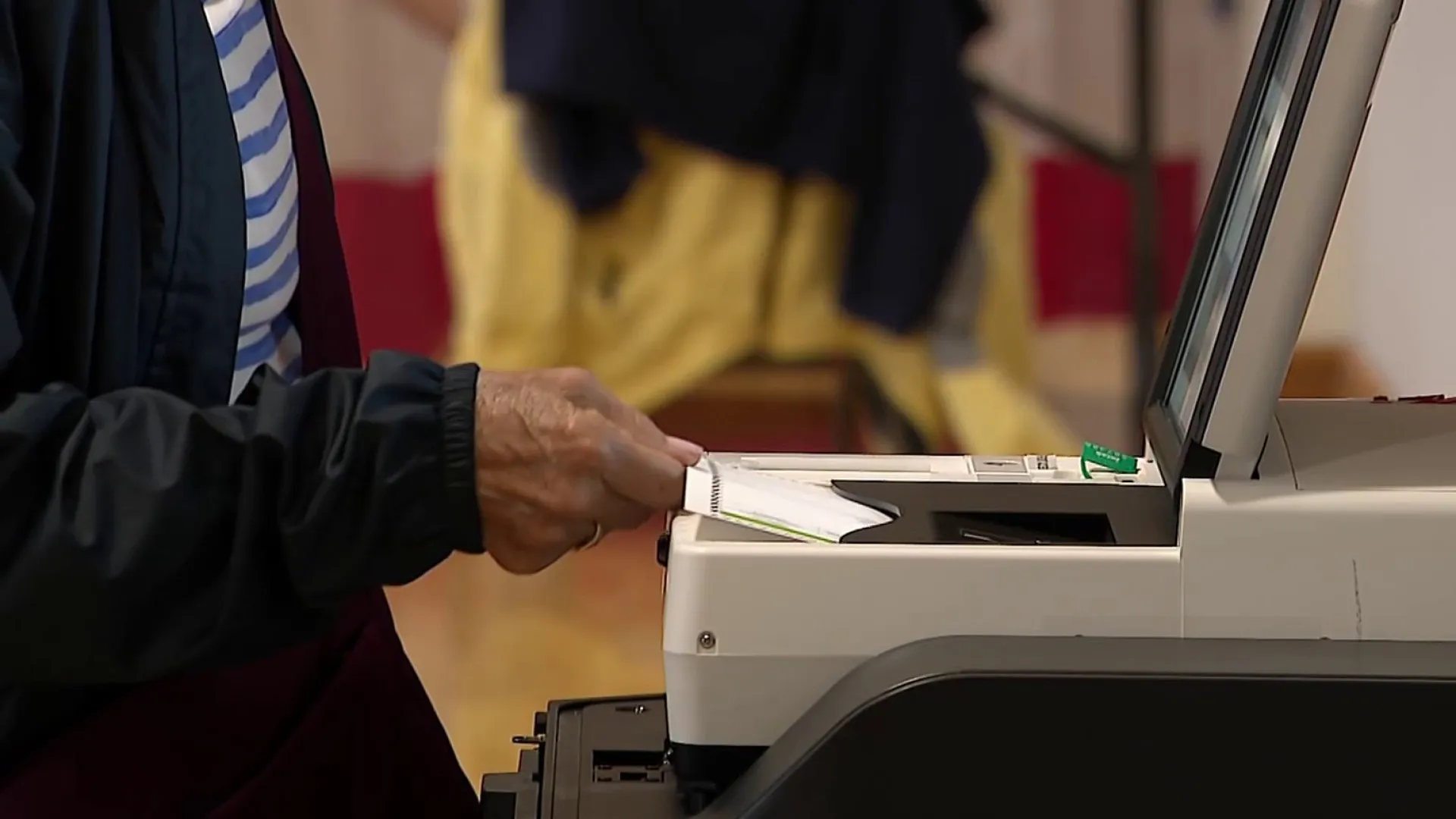
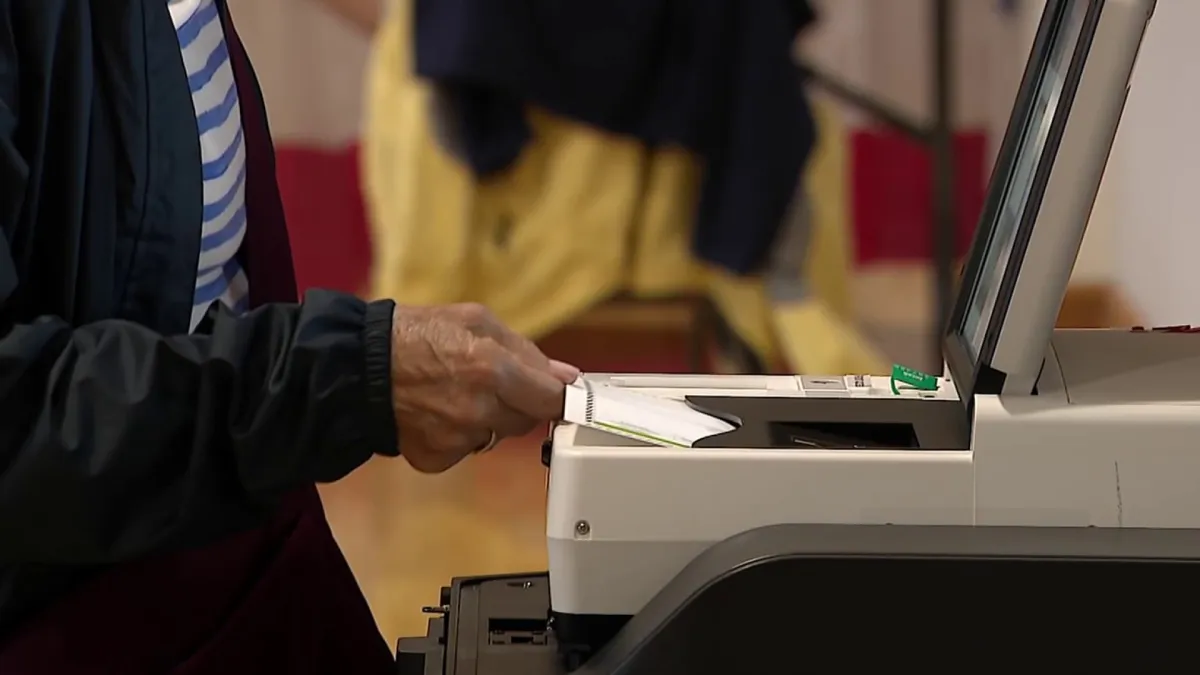
Lawmakers are considering moving the primary date for state and federal elections after lower-than-desired turnout for last week’s nomination voters.
Democrats say just 23.21% of registered voters cast a ballot in the Aug. 11 primaries, despite historic battles in races for governor and the 1st Congressional District.
Republicans, who had no statewide primaries but two battles for Congressional seats, saw just 10 percent of eligible voters.
The lack of a statewide primary likely depressed Republican turnout, but Middletown Republican Registrar of Voters George Souto said the timing was probably a bigger factor.
“To do it between, let’s say, the end of June and beginning of September is not a good time,” he said.
He added that Middletown also had a harder time getting election workers who were available for the week of early voting on top of Primary Day.
The low engagement has also led lawmakers from both parties to look for solutions.
Sen. Martin Looney(D-President Pro Tem) said high turnout creates a “greater sense of a mandate that people think they won, so I think it would be really important to do everything we can to enhance turnout.”
He expressed support for moving the date, as did Rep. Vincent Candelora, (R-Minority Leader).
Other parts of the calendar create their own challenges, though.
Candelora warned that moving the primaries back into September, as four other states do, leads to a compressed campaign calendar for primary winners.
Early voting for the Nov. 3 election starts on Oct. 19.
“There needs to be some time, now that we have two weeks of early voting, on top of the absentee ballot process,” Candelora said. “It kind of seems like we landed on August, and we have no choice.”
Looney also expressed concern that candidates facing a primary will have little time to raise additional money for the general election, giving those without a primary a distinct advantage.
Connecticut offers separate grants for the primary and general elections under the Citizens’ Election Program, but those are only available to candidates running for the legislature or statewide office.
Those in federal races – Congress or the U.S. Senate – would need to replenish their campaign funds.
Still, Looney is worried moving the primary to June creates bigger conflicts for lawmakers who want to seek re-election or run for another office.
Connecticut’s legislative session dates are set by the state’s constitution, meaning lawmakers can’t change them.
The session runs until early May in even-numbered years – the years when all legislative seats are up for re-election – giving lawmakers little time to focus on a primary.
“They would be tied up in session until May and a June primary would put them at a disadvantage,” he said.
Candelora also believes turnout could go up if Connecticut switched to open primaries, which would allow all voters to vote on nominees.
The state has closed primaries, meaning only those registered with that respective party can vote in a primary.
Candelora said the closed primaries encourage candidates to focus on a small group of engaged voters. Forcing them to reach more voters could also encourage those people to go to the polls.
“Rather than having a broad-based message, we begin at just targeting a thousand democrats or a thousand republicans,” he said.
Looney, though, said primaries are for parties to select their preferred nominees. All other voters get their say in the November election.
Looney said he supports making it even easier for unaffiliated voters to align with a party, but he’s worried open primaries allow each party to support a candidate they see as vulnerable.
“You don’t want people playing mischief and having sympathy within an opposing party and then voting in the primary of a party they don’t support for a candidate they think might be weak,” he said.
As lawmakers consider changes, Souto also wants them to shorten the number of days for early voting.
He said most voters either get excited for polls opening or wait until early voting is nearly done.
“We tend to have a higher turnout the first day and then the second the week,” Souto said. “The more you stretch it out, people procrastinate.”







From breaking news and local politics to art exhibitions, live music, high school sports, small businesses, and cultural events, we celebrate the people and places that make Connecticut unique.