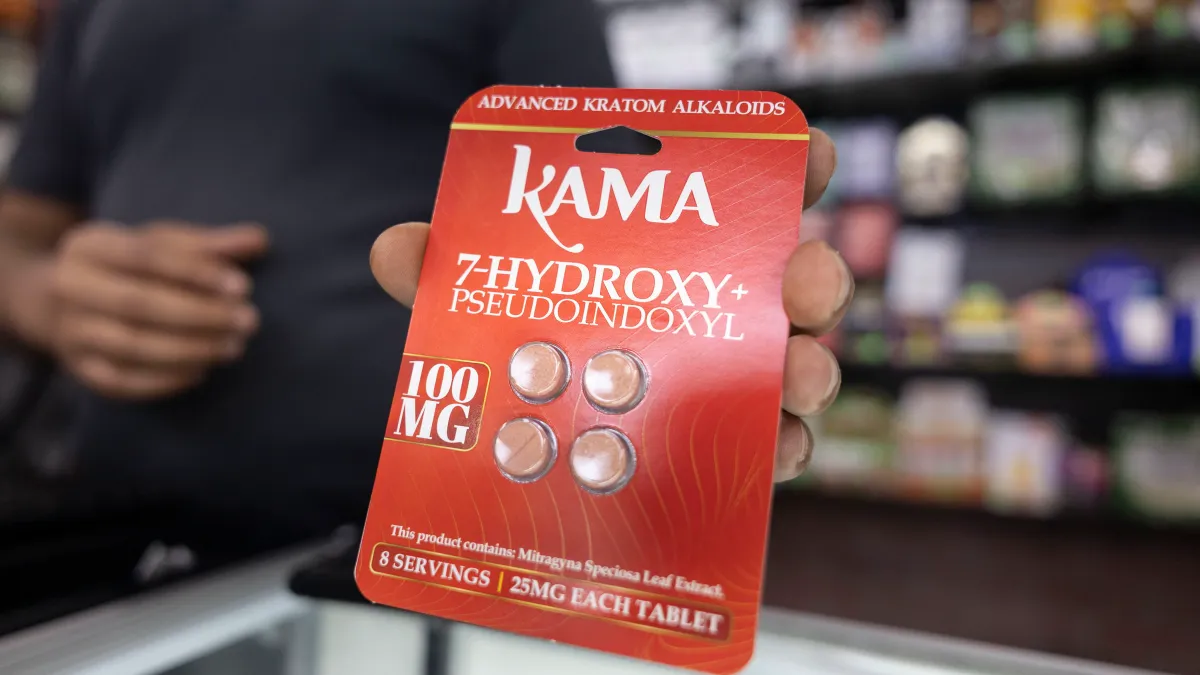
Kratom is officially banned from stores in Connecticut. Here's what to know.
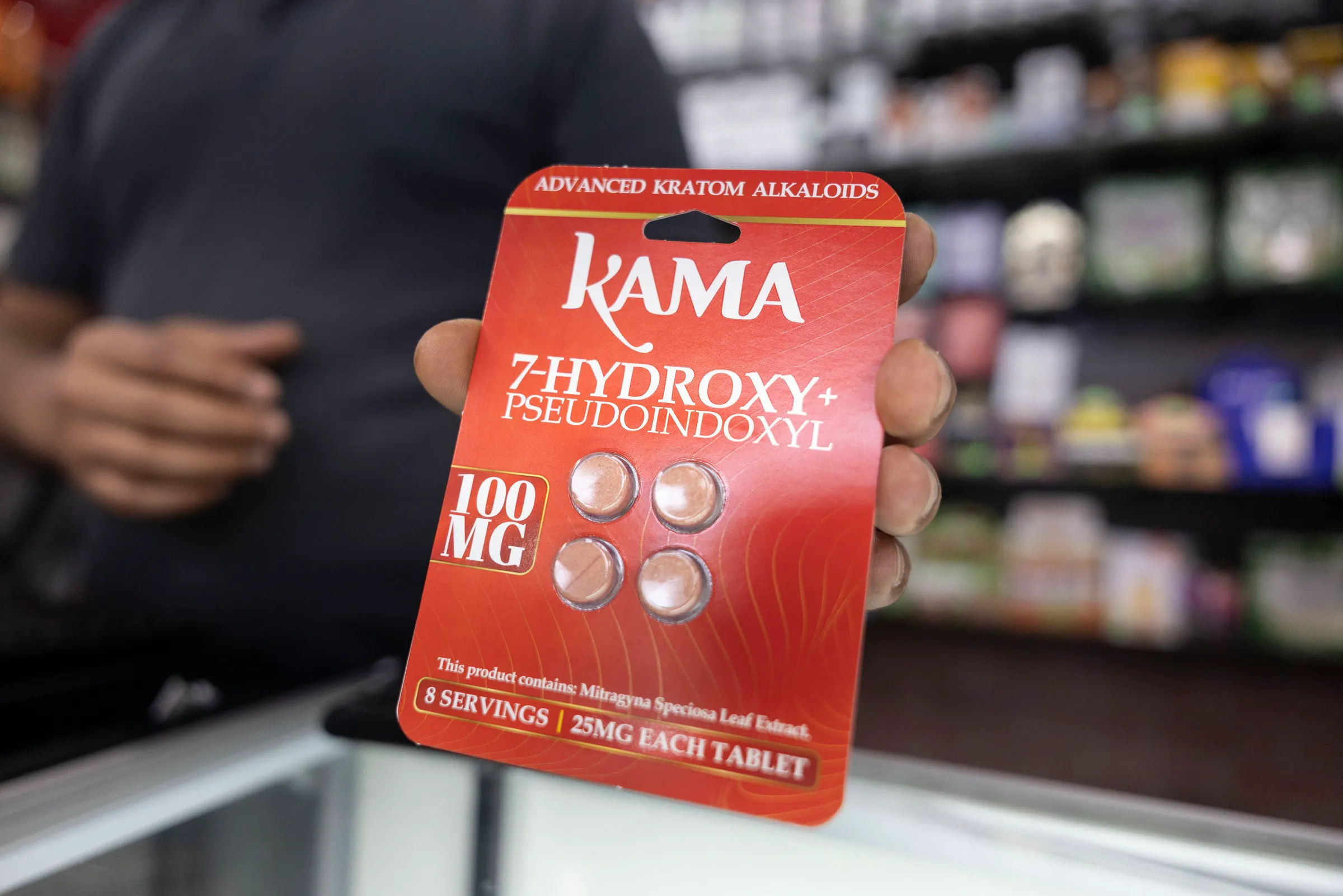
Kratom, also known to some as “gas station heroin,” was named a Schedule 1 controlled substance on Wednesday, meaning gas stations, convenience stores, and smoke shops must pull it from their shelves immediately.
The product, which has been widely available online and in stores for years, is an herbal extract derived from the leaves of an evergreen tree native to Southeast Asia. It’s a supplement sold as an energy booster, mood lifter, pain reliever, and remedy to help with withdrawal from opioids, according to the Mayo Clinic.
There is no grace period for enforcement, the state’s attorney general said.
The Drug Enforcement Administration now considers the product a “substance of concern,” so it is not approved for human consumption or medicinal purposes.
Kratom has been sold in many different forms, including pills, beverages, gummies and candy, powder, and in its natural leaf form, the Mayo Clinic said.
A derivative of kratom, known as 7-OH, is also now considered a Schedule 1 controlled substance.
So, why is kratom being banned?
Jana Wu, director of clinical integration at Mountainside Treatment Center, runs a kratom support group and treats patients struggling with addiction. She says the drug is highly addictive and may act similarly to opioids.
“People come in feeling very ashamed that somehow they got duped,” Wu said. “How did I get addicted to a supplement or addicted to something in a gas station? When we get down to it, they were looking for relief.”
Wu also mentioned that withdrawal symptoms can be severe, and in some cases, worse than heroin.
“Many people got on it because of chronic pain or trying to abstain from opiates or alcohol, and they were trying with what they thought was the best choice at that time, and then found themselves very addicted and sought help,” Wu said.
Not everyone supports the decision.
Some advocates argue that kratom is a natural plant and it may offer benefits for pain or addiction recovery.
However, officials say that it is not regulated or prescribed by doctors; its modern use differs significantly from traditional use centuries ago, and that the safety concerns outweigh any potential benefits.
If a business or person tries to buy or sell kratom in Connecticut now that the ban is in effect, it will be considered a crime, and they will be arrested and charged.
Click here to find more information about what other drugs were added to the Schedule 1 controlled substances list.





From breaking news and local politics to art exhibitions, live music, high school sports, small businesses, and cultural events, we celebrate the people and places that make Connecticut unique.