
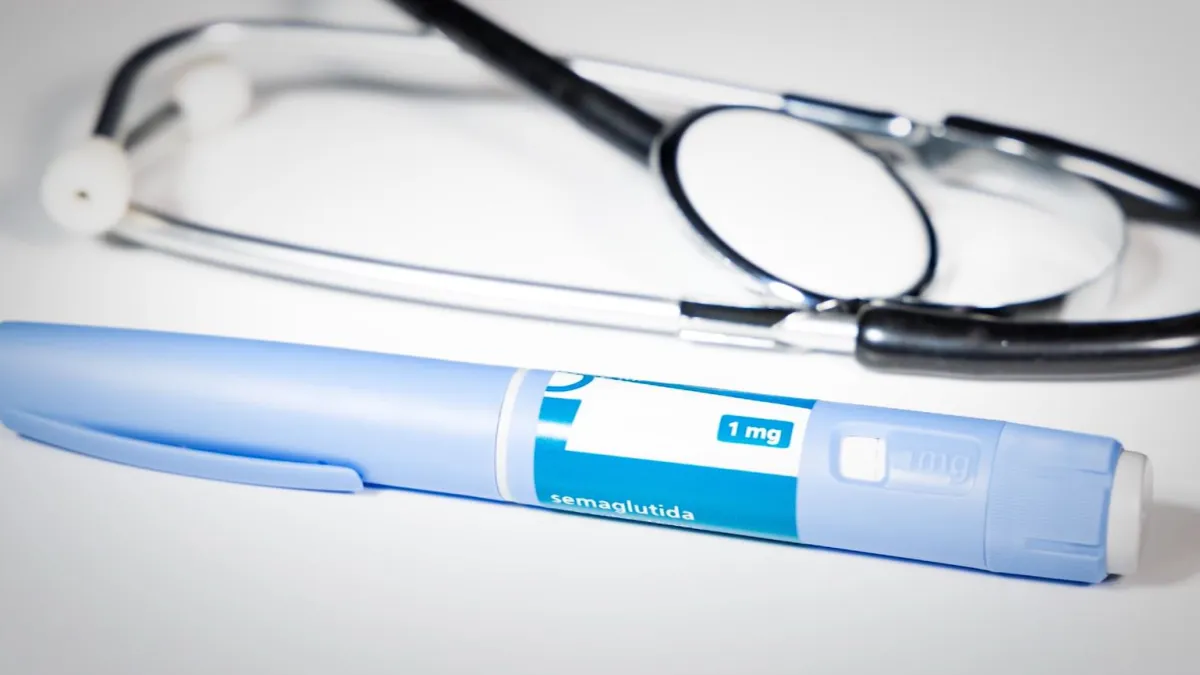
GLP-1s could curb alcohol, drug addiction on top of food cravings, studies find
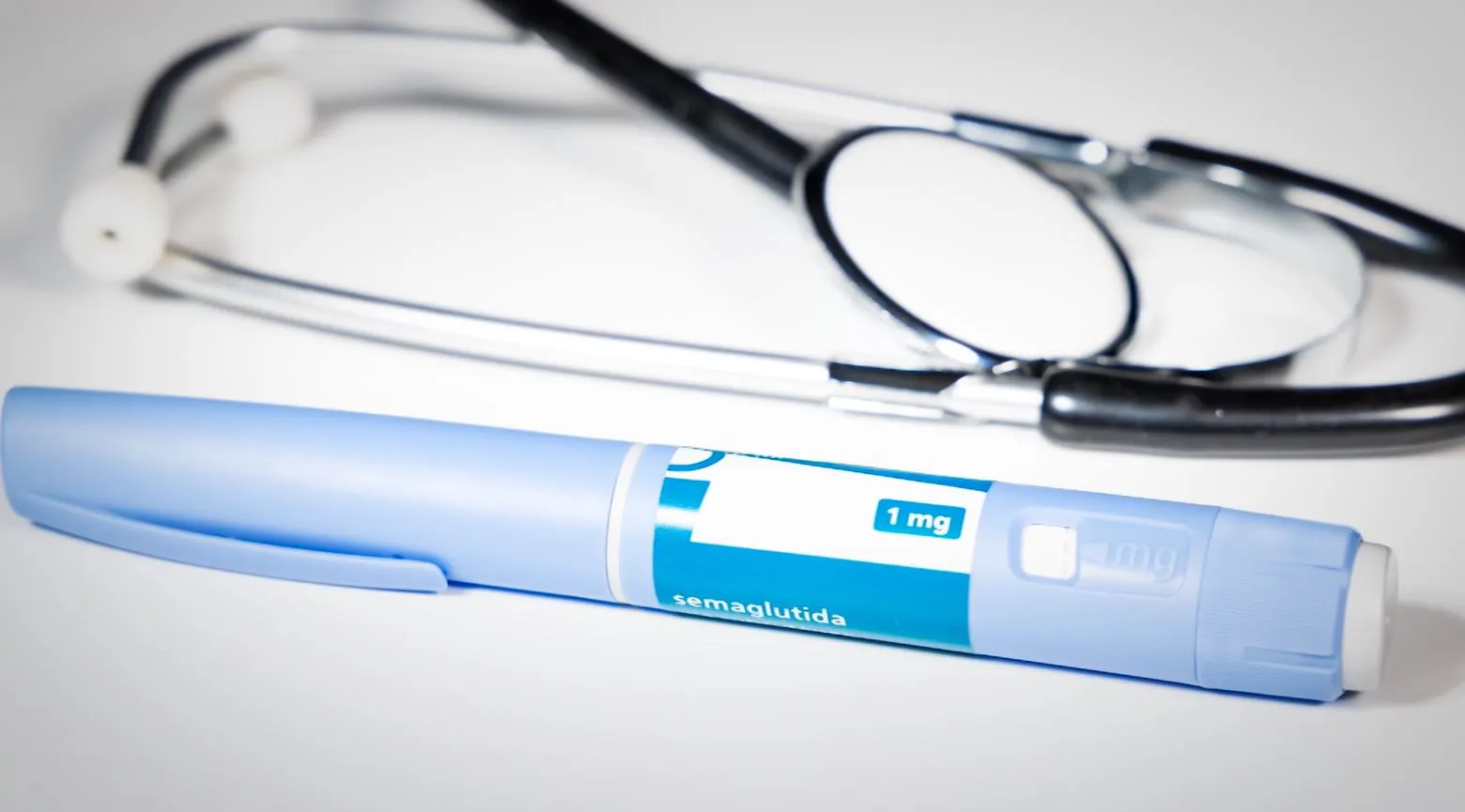
There’s growing evidence that GLP-1 drugs can treat more than diabetes and obesity.
“It was a surprise to people. Here’s an anti-obesity drug that could be useful for addiction, which is thought of as a brain disorder,” Dr. Rajita Sinha, director of the Yale Interdisciplinary Stress Center, said. “So you’ve got a metabolic disorder, and then you’ve got a brain disorder.
Dr. Sinha is a psychologist and professor at Yale, specializing in addiction and stress. She serves as the director of the Yale Interdisciplinary Stress Center. She did a study looking at semaglutide, a GLP-1 drug, and its effects on people with obesity.
“What we started to see is that people were reporting not wanting to drink, and just not being as interested if they were smokers,” she said. “We think what’s happening in the brain is that GLP-1 is influencing these motivational circuits that are dysregulated in addiction and with chronic alcohol use, but also with compulsive food intake.”
An even bigger study published this month in a medical journal called The BMJ found that GLP-1s effectively treated people with substance use disorders, leading to fewer emergency room visits, hospitalizations and death. Researchers analyzed patient records from more than 600,000 people in a Department of Veterans Affairs database and used the data to simulate seven clinical trials.
Dr. Wajahat Mehal, also with Yale, studies liver damage and is the director of the Yale Fatty Liver Disease Program. Using mice, he tested the effects of GLP-1 on drinking alcohol and found that the mice drank less.
“The second important thing we found out, which is actually completely novel, is that, even if they drink, the same amount of alcohol, there’s less injury to the liver,” he said.
Mehal said there isn’t a medication on the market that does this, but he stops short of saying GLP-1s are the answer. He said the study must be replicated in humans first.
“I would say that these drugs are really quite exceptional, but they need to be understood.”
Both doctors explain that there needs to be a lot more testing, and it might not work for everyone.
If you are looking into taking a GLP-1 drug, talk to your doctor first.






From breaking news and local politics to art exhibitions, live music, high school sports, small businesses, and cultural events, we celebrate the people and places that make Connecticut unique.