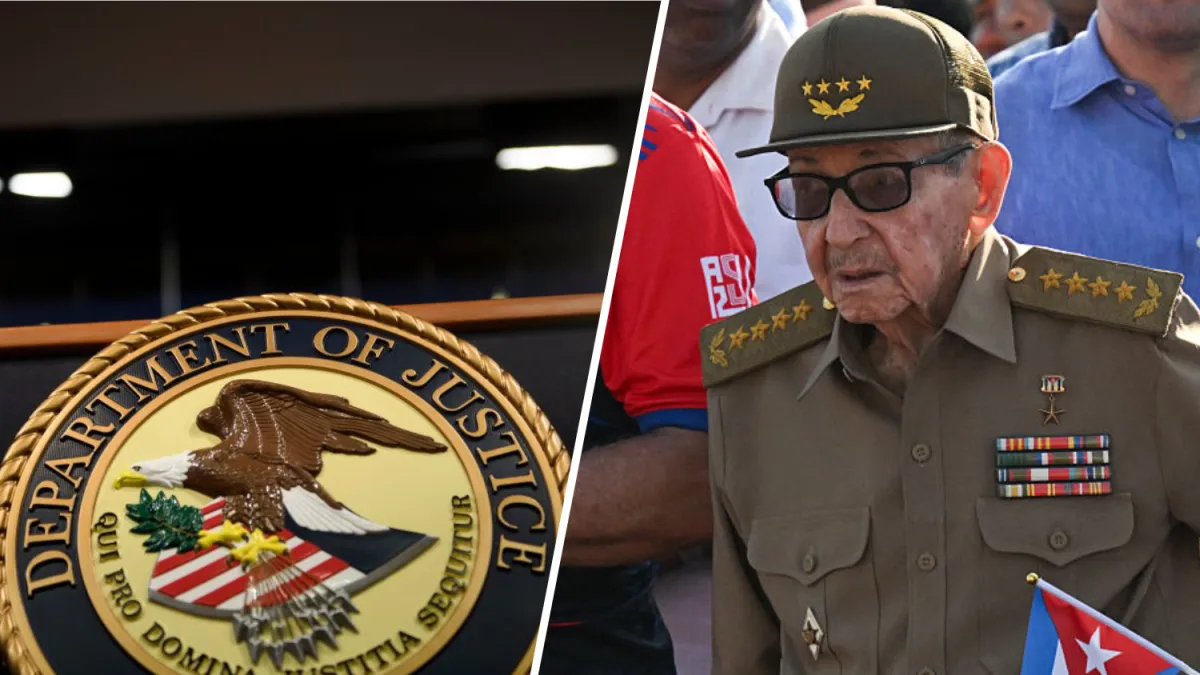
Former Cuban President Raúl Castro charged with murder in 1996 fatal downing of two planes
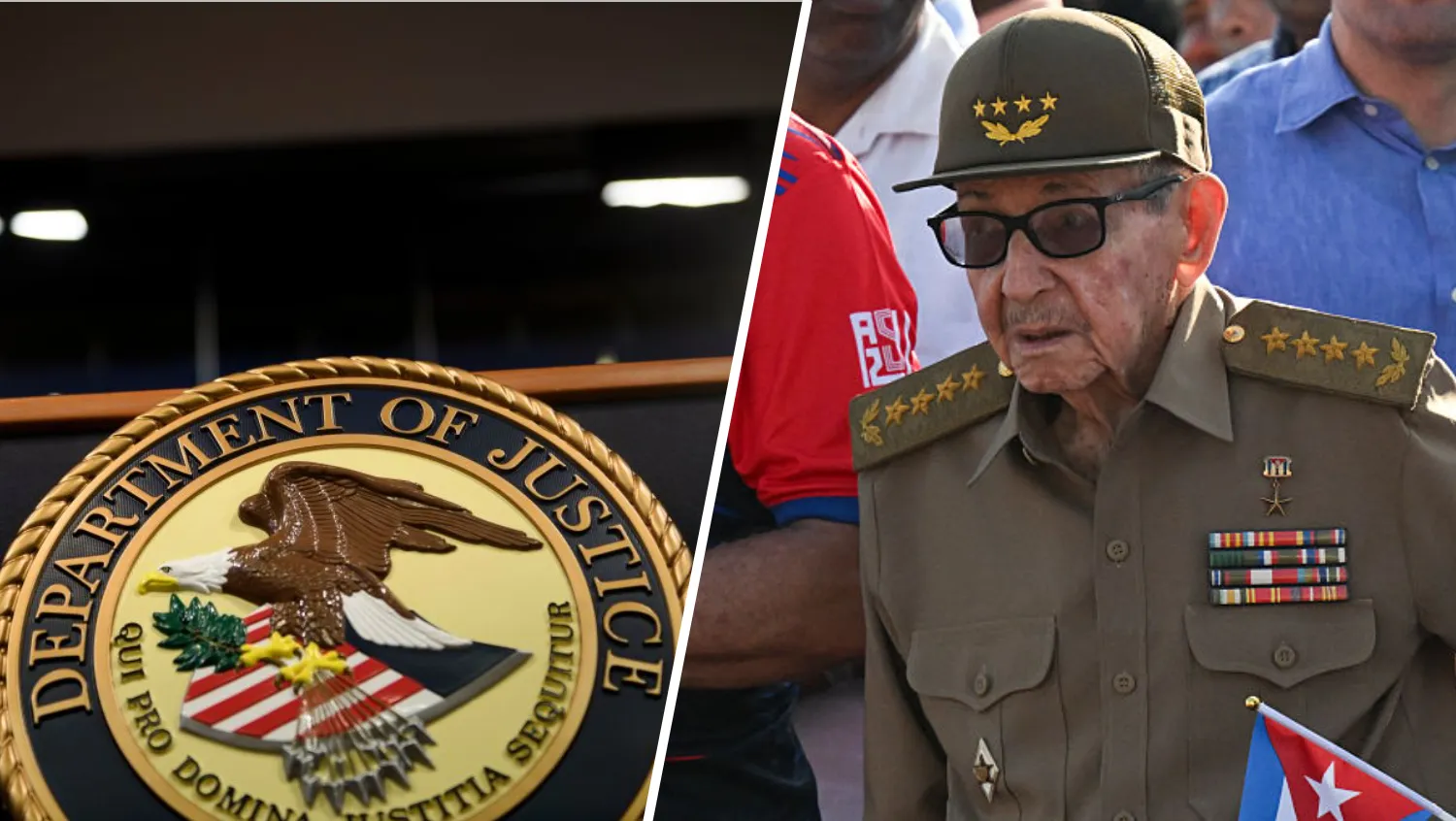
The Trump administration has secured criminal charges against former Cuban President Raúl Castro for his alleged role in the 1996 shootdown of two planes operated by the Miami-based exile group Brothers to the Rescue.
The 94-year-old Castro was charged in the Southern District of Florida with conspiracy to kill U.S. nationals, four counts of murder and two counts of destruction of aircraft. The superseding indictment unsealed Wednesday also names five others defendants.
The others charged in the case are Emilio Jose Palacio Blanco, Jose Fidel Gual Barzaga, Raul Simanca Cardenas, Luis Raul Gonzalez-Pardo Rodriguez and Lorenzo Alberto Perez-Perez. Some of the defendants were pilots or wingmen of the Russian-made MiG-29 fighter jets that fired the deadly missiles.
“For the first time in nearly 70 years, senior leadership of the Cuban regime has been charged in this country, in the United States of America, for acts of violence resulting in the deaths of American citizens, nations, and their leaders cannot be permitted to target Americans, kill them, and not face accountability,” acting Attorney General Todd Blanche said at a news conference in Miami announcing the charges.
The announcement coincided with a ceremony to honor the victims of the Brothers to the Rescue incident. The group carried out rescue missions to save Cubans fleeing their homeland. The date and location of the announcement was notable because May 20 is Cuba’s Independence Day and the Freedom Tower — often called “the Ellis Island of the South” — has long served as a refugee center for Cubans seeking asylum in the United States.
On Feb. 24, 1996, three planes carrying members of Brothers to the Rescue entered a zone close to the 24th parallel, a short distance north of Havana. Cubans had been warning the U.S. government for months it was prepared to defend against what it considered deliberate provocations. Cuban fighter planes shot down two of the exiles’ unarmed civilian Cessnas, killing all four men aboard. A third plane, carrying the organization’s leader, narrowly escaped.
“Their sacrifice became a painful reminder to the world of the brutality of the Cuban regime and the high price so many have paid for speaking freely, defending democracy and standing for human rights,” said Madeline Pumariega, the president of Miami Dade College.
Castro was defense minister at the time, making him the nation’s highest authority after his brother Fidel. They were accused of ordering the Cuban air force to shoot down the planes.
To date, the U.S. has convicted only a single person of conspiracy to commit murder in connection with the Brothers to the Rescue shootdown. Gerardo Hernández, the leader of a Cuban espionage ring dismantled by the FBI in the 1990s, was sentenced to life in prison but was released by President Barack Obama during a prisoner swap in 2014 as part of an attempt to normalize relations with Cuba.
Two fighter jet pilots and their commanding officer have also been indicted but are outside the reach of U.S. law enforcement while living in Cuba.
The criminal charges against Castro dramatically escalates tensions with Havana and ramps up expectations of U.S. military action in Cuba like the one carried out in January in Venezuela to bring President Nicolàs Maduro to New York on drug trafficking charges.
Following Maduro’s ouster, the Trump administration quickly turned its attention to his ally Cuba and ordered an economic blockade that choked off fuel shipments to Cuba, leading to severe blackouts, food shortages and a collapse in economic activity across the island.
Earlier this year, Trump pledged a “friendly takeover” of Cuba if its leadership didn’t open up its economy to American investment and kick out U.S. adversaries.





From breaking news and local politics to art exhibitions, live music, high school sports, small businesses, and cultural events, we celebrate the people and places that make Connecticut unique.