
Experts warn of active tick season in Connecticut as outdoor activity ramps up
Warmer, nicer temperatures have people getting outside, and with more time outdoors, there is an increased risk of picking up ticks. Experts are concerned they will be out in force this year.
“Daily for the most part, sometimes more than once a day,” said Laura Duncan, who was out walking a dog in Middletown. “I am outside a lot, I do things before I take the dogs out or my own dog, I have a tick spray.”
Duncan walks dogs daily as part of a business, so protecting herself and her pups is necessary.
“As soon as we get back from these hikes, I fully check the dogs, I will fully check myself, I often find more on myself than I do the dogs for the most part,” she said.
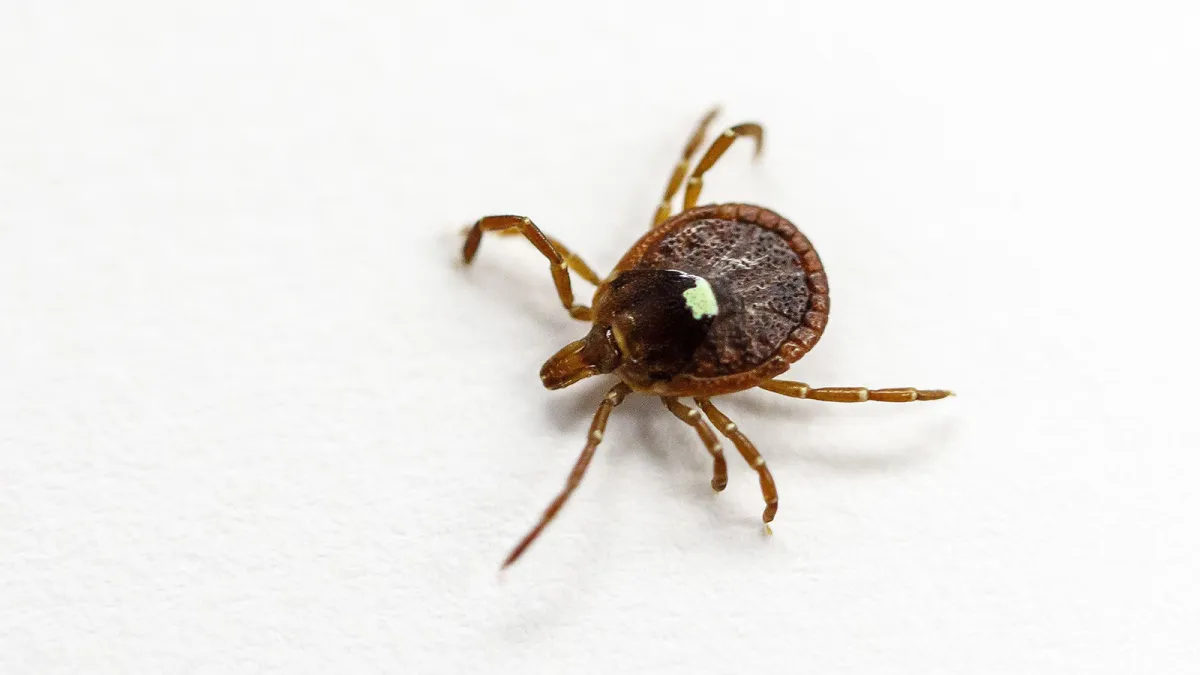
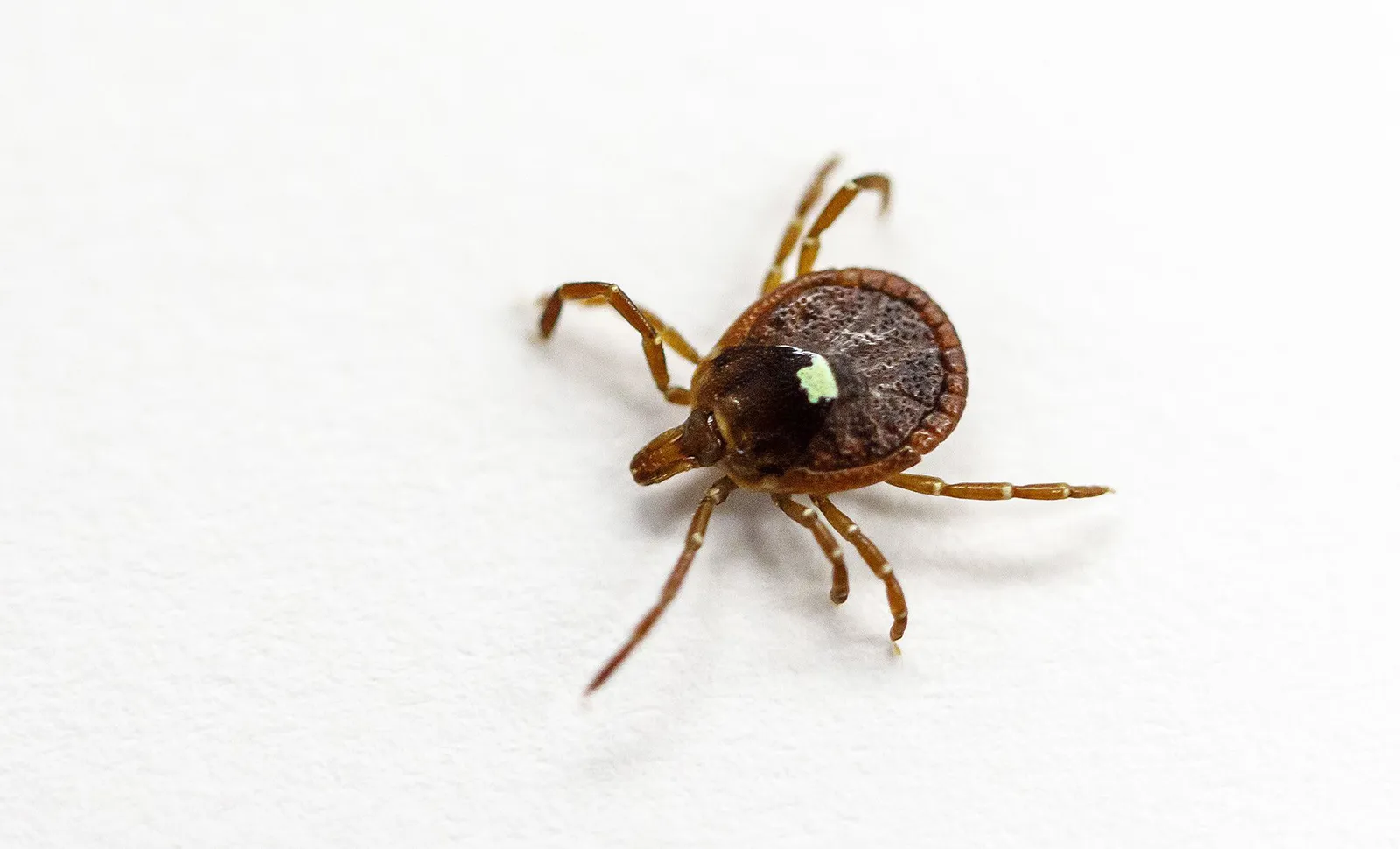
Despite a long, chilly winter filled with snow, experts project the tick population to be strong this year, and spread out statewide, with certain species like the Asian Longhorn Tick and Lone Star tick more isolated to the southwest for now.
Last year’s numbers were strong, and there is no indication that will change. That concern, coupled with the emergence of new species in the state.
“It is no longer just black-legged tick and dog tick; there are at least 5 different species,” said Goudarz Molaei with the state Agricultural Experiment Station.
Five species mean an increasing number of pathogens and a wider spread that could be dangerous to humans, including the well-known Lyme disease.
On Wednesday, the experiment station received $ 267,000 in federal funding to continue tick surveillance and research.
The station also maintains a tick identification service, if you are bitten and want to know what kind of tick bit you, or you pulled off your person.
That research is valuable when they are developing things like a nano-pesticide that shows promise in killing the Long Horn Tick without impacting critical species like pollinators.
“We hope that would be an additional tool in our toolbox to not only manage this tick species but also other tick species as well,” said Molaei.
Experts said that for the public, it’s about awareness. It’s important to be mindful of ticks so you can remove them from your person or your kids and pets before they bite.
“You want to keep them off you in the first place; watchfulness is the most important thing,” said Hunain Kermalli, Chief Medical Officer at St. Mary’s Hospital.
Preventative measures are also key. That means long pants and sleeves when outside, and regular tick checks after spending time outdoors. If a tick does bite you, and you fall ill, it’s important to get medical attention.
“Knowing what we are dealing with allows us to target that, that much sooner,” Kermalli said.
St. Mary’s Hospital has rolled out in-house rapid PCR testing for two major tick-related infections to get people tested and treated faster when they come in.
They said it’s a step in protecting the public from tick-related illness, and they hope it makes people feel more confident enjoying the outdoors.
“Don’t let it stop you from getting out there. It’s important for us to get outdoors,” said Kermalli.
For those who enjoy the outdoors, they understand co-existence is a part of living in Connecticut, and they said caution is the way forward.
“We live in Connecticut, it’s very woody, and I am not going to let a tick keep me home at this stage,” said Duncan.







From breaking news and local politics to art exhibitions, live music, high school sports, small businesses, and cultural events, we celebrate the people and places that make Connecticut unique.