
East Windsor case renews focus on hot car dangers in Connecticut
A case involving a one-year-old in East Windsor over the weekend is putting renewed attention on the dangers of leaving children in hot cars and the efforts to prevent similar deaths.
East Windsor police say it appears the child suffered heat-related medical issues. Temperatures in town hovered around 80 degrees Saturday, according to the NBC Connecticut StormTracker team of meteorologists.
The case would mark the eighth hot car death in Connecticut in the last three decades.
For Lindsey Rogers-Seitz, the case brought back memories of the death of her 15-month-old son, Ben, who died after being left in a hot car in Ridgefield in 2014.
“You think about what the family and community is going through as well because it was traumatic for everybody involved for us,” Rogers-Seitz said.
Ben died under different circumstances than the East Windsor case. Rogers-Seitz’s husband, Kyle, forgot to drop Ben off at day care before going to work, leaving him in the car for hours.
Kyle was charged in his son’s death but faced no prison time after entering an Alford plea, pleading guilty while maintaining his innocence despite acknowledging there was enough evidence to convict him.
Rogers-Seitz forgave her husband and has since used her family’s experience to raise awareness about hot car deaths.
“Your children are the most important thing in your life,” Rogers-Seitz said.
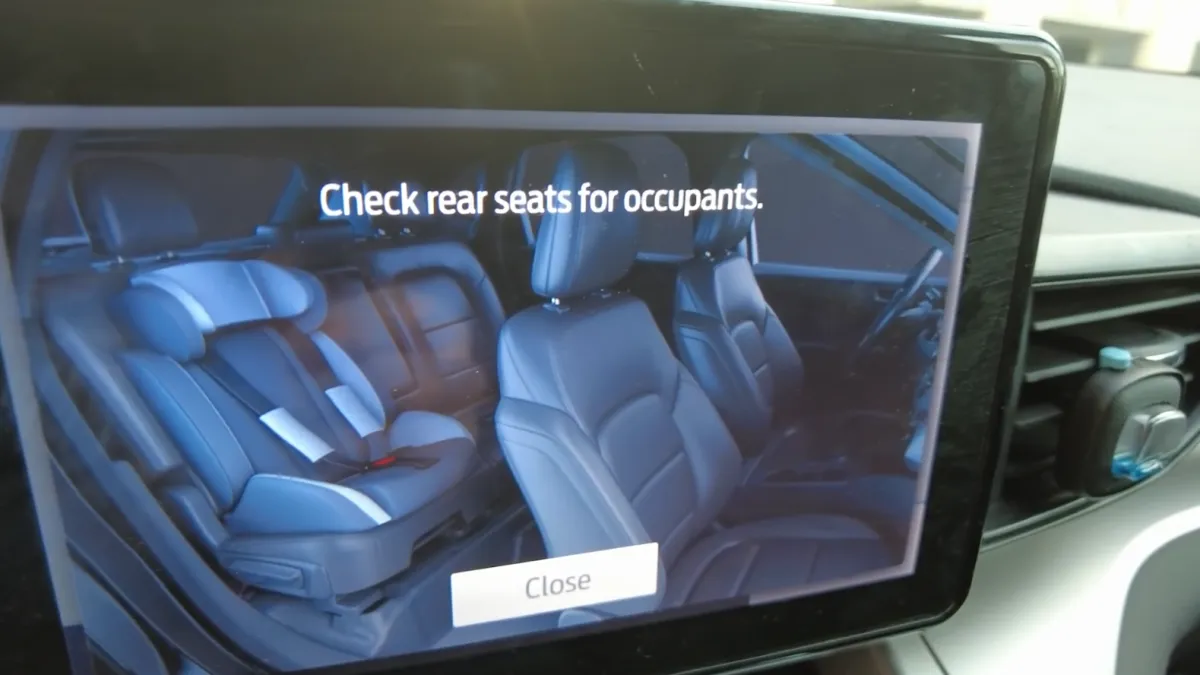
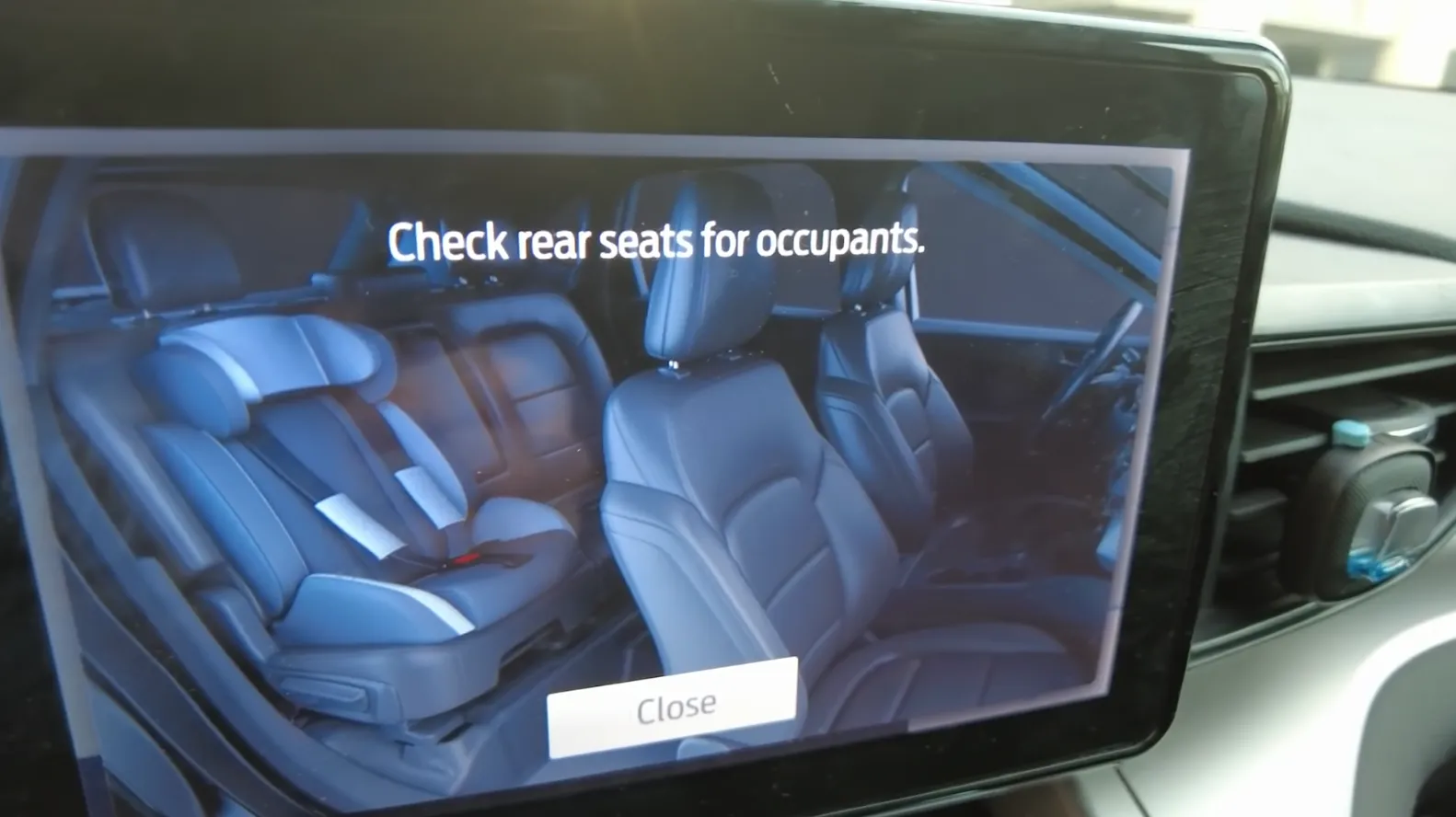
She has supported legislation requiring automakers to install rear-seat alarms or sensors designed to remind drivers when children may have been left behind. Some automakers have already voluntarily added the technology ahead of it becoming federal law.
“I think even if it helps one person, it’s worth it because one life is worth a million, to be honest,” Rogers-Seitz said.
Temperatures inside vehicles can rise quickly. According to the National Weather Service, on a hot and sunny day, the temperature inside a car can rise by more than 40 degrees in an hour, reaching around 120 to 130 degrees.
Rogers-Seitz said parents should never leave children inside a vehicle, even with the air conditioning running or the windows cracked open.
“You can never leave a child in the car for even a small amount of time just to run into a store or work or anything like that,” Rogers-Seitz said.







From breaking news and local politics to art exhibitions, live music, high school sports, small businesses, and cultural events, we celebrate the people and places that make Connecticut unique.