Debate sparks over proposed rules for self-checkouts at grocery stores
Self-checkout is a popular option at many stores these days, but are state rules needed to improve the service?
A public hearing was held on Tuesday for a new bill that would limit self-checkout lanes and require certain staffing levels at grocery stores.
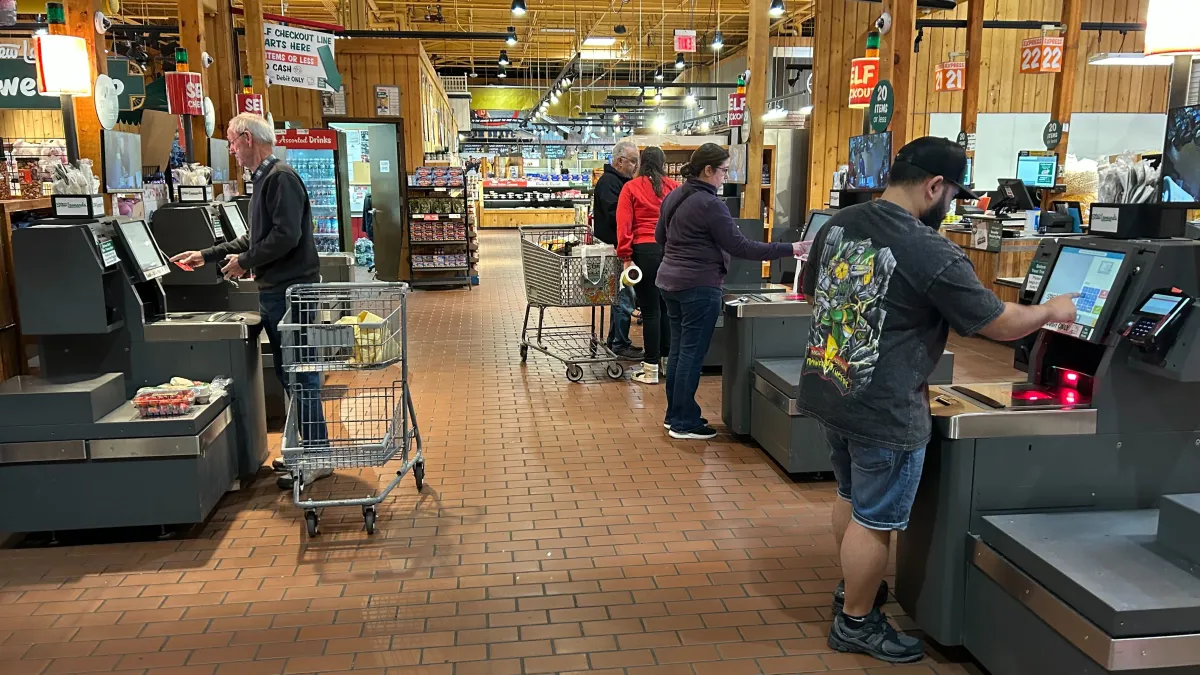
When checking out at a grocery store, such as Stew Leonard’s in Newington, shoppers have to choose between self-checkout and a staffed lane.
“It always all depends,” Rolando Castro of Meriden said. “If I only got two items, there’s a line, and if [self-checkout] is available, I’ll do it.”
“I actually do both. I find the small amount easier to do self-checkout,” said Elaine Sorvillo of Middletown. “But when I have a larger amount, in this case, if I pick up a gift card, I go to the checkout area.”
The bill would limit the number of self-checkouts grocery stores are allowed to have to eight.
There would also have to be at least one worker for every two self-checkouts monitoring the stations. And for every two self-checkouts, there must be at least one staffed checkout.
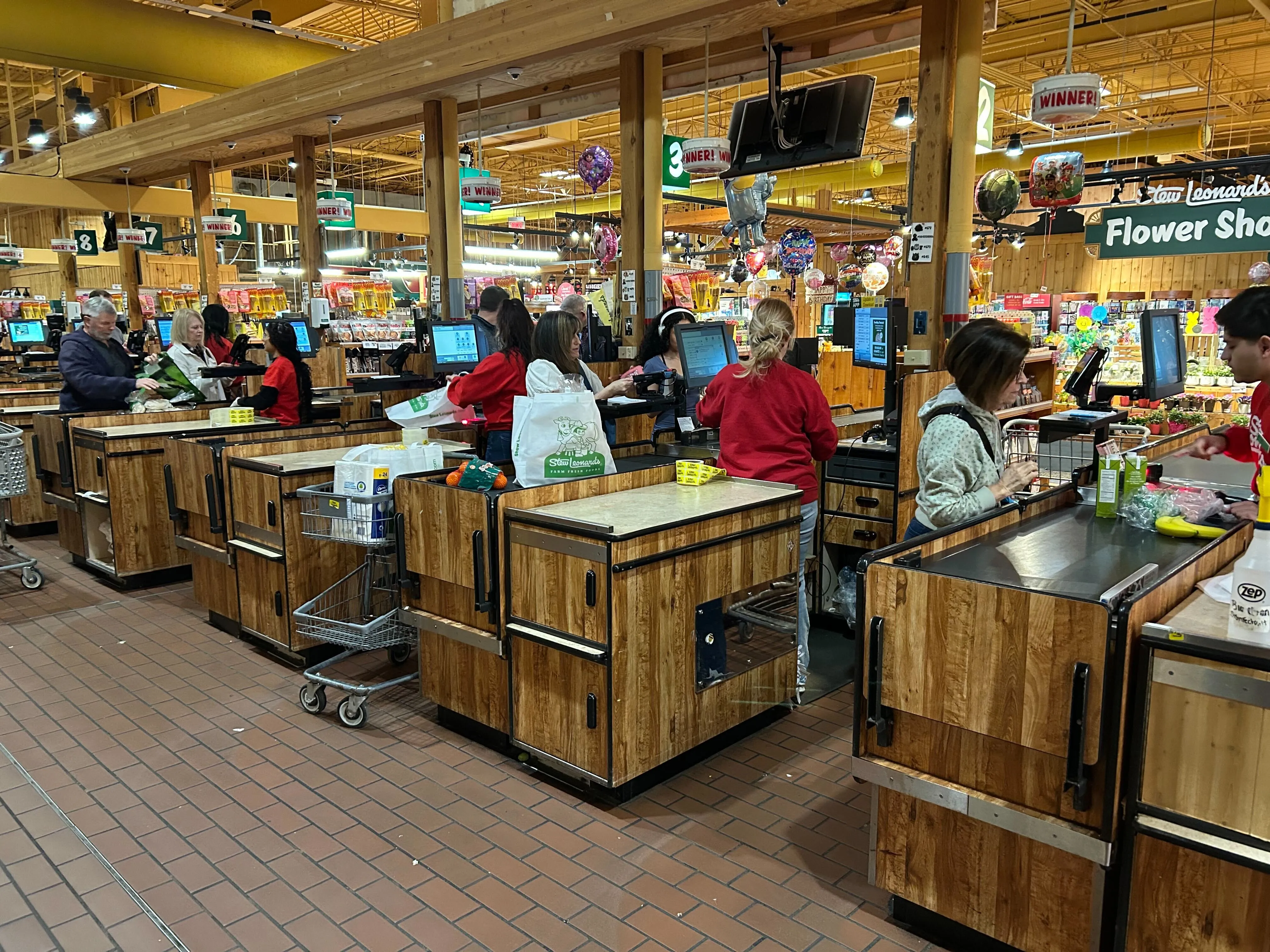
“I’m always pro-employment,” Castro said. “So if people have a job and there’s cashiers, the interaction always helps with the customer service and the experience overall.”
Unions representing workers in the state argue that increased staffing would boost job growth, reduce theft, and improve the experience for everyone.
But a state association that represents grocers argues stores need flexibility, the rules could increase prices, and the technology has not led to job losses; instead, staff are doing other things like online orders and curbside pickup.
“We still have just as many cashiers as we did before self-checkout in our Newington store,” said Jenn Polaski, Stew Leonard’s store manager. “We have about 60 cashiers. None of them have lost their jobs. We just incorporate them in some kind of other role.”
Under the bill, stores could face penalties for violating the rules, and they would not be able to punish workers or customers who report a possible violation to the state.






From breaking news and local politics to art exhibitions, live music, high school sports, small businesses, and cultural events, we celebrate the people and places that make Connecticut unique.