
Connecticut 20-year-old recovering from rare tick borne illness
Powassan virus is a rare tick-borne illness that can have a serious impact. According to the CDC, only five people were diagnosed with it last year.
Twenty-year-old Sawyer VanLew of Oakdale is recovering after being diagnosed with Powassan in late November.
It all started when he was walking his dog in Mystic and noticed a tick on him when he got home.
“We pulled it off, you know, usual tick precautions, looked for a rash, there was nothing like that… we just got the head out,” said VanLew.
Two weeks later, what started as a high fever turned into an inability to walk and talk. VanLew tells us he doesn’t really remember much of what happened over the next few weeks. But his parents do.
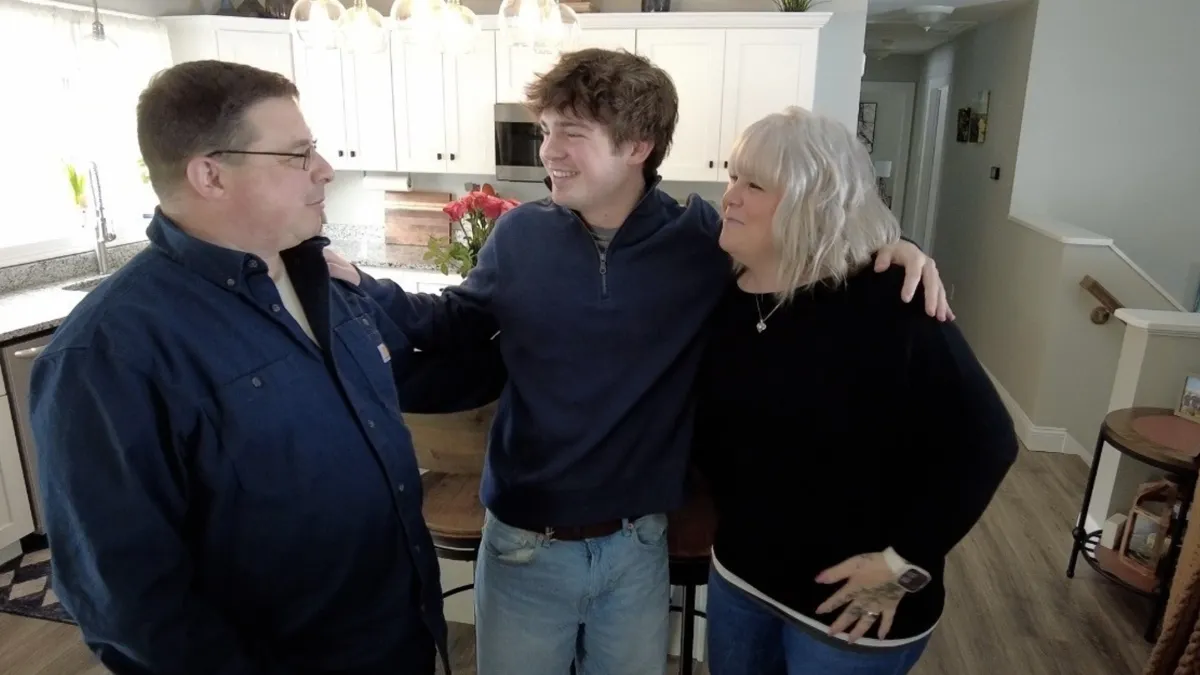
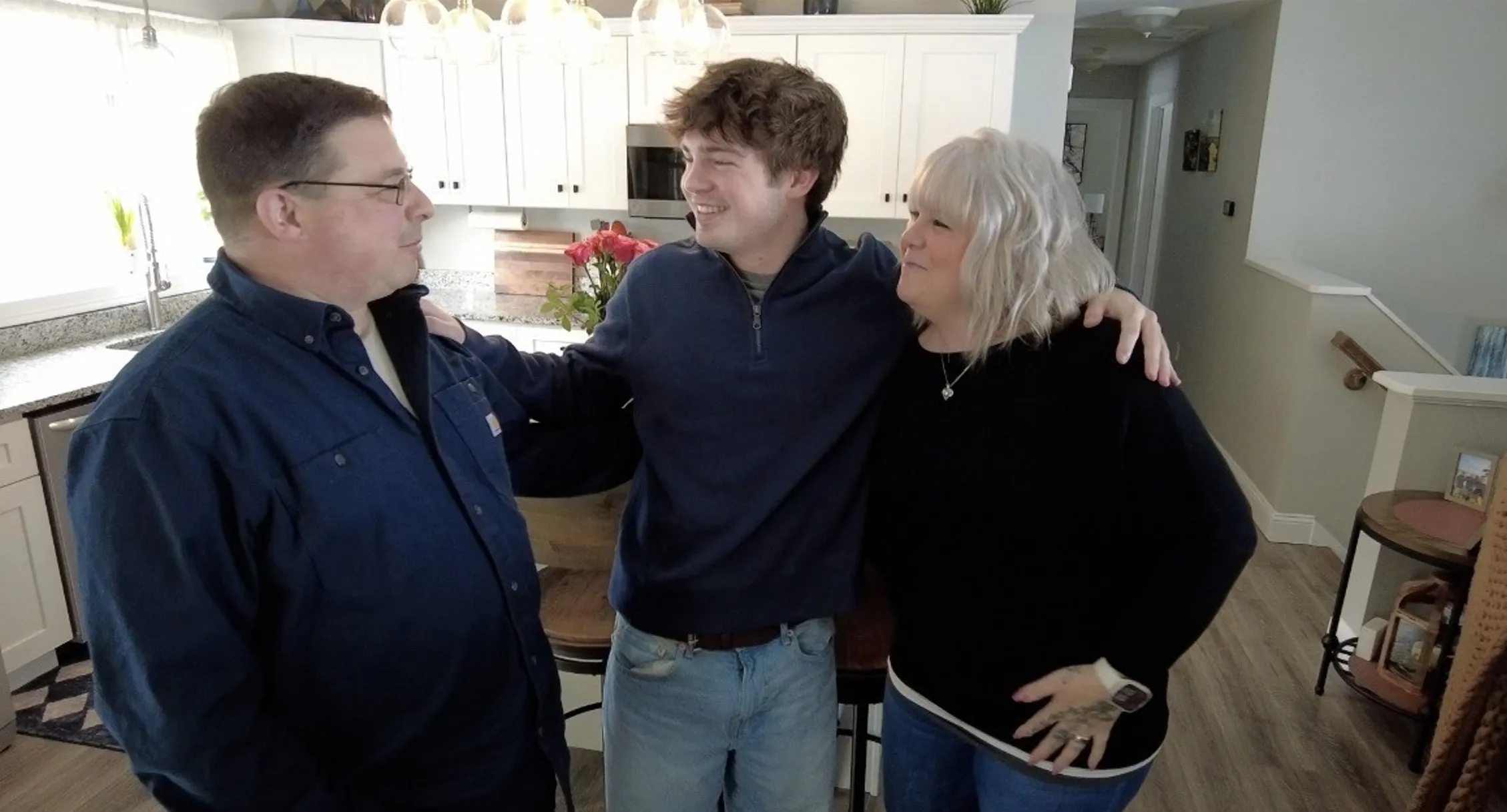
“We had to physically lift him and help him walk,” said VanLew’s mom, Jennifer Russell.
“I thought I was going to lose him. And I’m glad he’s here,” said VanLew’s dad, Allan.
Their lives were flipped upside down overnight. He was being cared for around the clock, and they communicated with him via an iPad and hand signals.
What gave their family hope, though, was that VanLew still seemed cognizant, despite not being able to talk or walk.
“He was still able to learn; he hasn’t lost mental capacity. Just right now, his brain is not telling his muscles in his vocal cords to produce that,” said Allan.
Since November, VanLew has spent weeks at Yale Hospital, has been tested for everything you can imagine, has seen dozens of doctors, and still meets with occupational therapists, physical therapists, and speech therapists regularly.
One of the doctors he’s working with, Dr. Charles Bizilij, focuses on tick-borne illnesses.
“It’s a virus that affects the neurologic system significantly. It can cause encephalitis. It can cause cranial neuropathy. A whole host of neurologic conditions, and numbers are increasing, sadly,” said Bizilij, who explained that the virus is underreported due to a lack of testing.
He says the virus can be transmitted in as little as 15 minutes from the tick.
For context about how rare Powassan virus is, the state Department of Public Health tested nearly 6,000 ticks, and only thirteen of them carried the virus. There are no vaccines or medicines to treat it either. Under the care of Dr. Bizilij and other healthcare professionals, they found a treatment that works for him.
“It’s pretty big, because like not even I think a month ago I couldn’t even talk,” said VanLew.
“I just can’t believe how well he’s doing right now. To me, I know it sounds cliche, but he’s, like, beating odds,” said Allan.
As VanLew continues his treatment and outpatient physical therapy, he says his plan is to recover 100%, have a great summer, and continue his education at UConn in the fall.
The only way to prevent Powassan virus is to prevent getting a tick bite. You can see tips from the CDC about prevention here.







From breaking news and local politics to art exhibitions, live music, high school sports, small businesses, and cultural events, we celebrate the people and places that make Connecticut unique.