
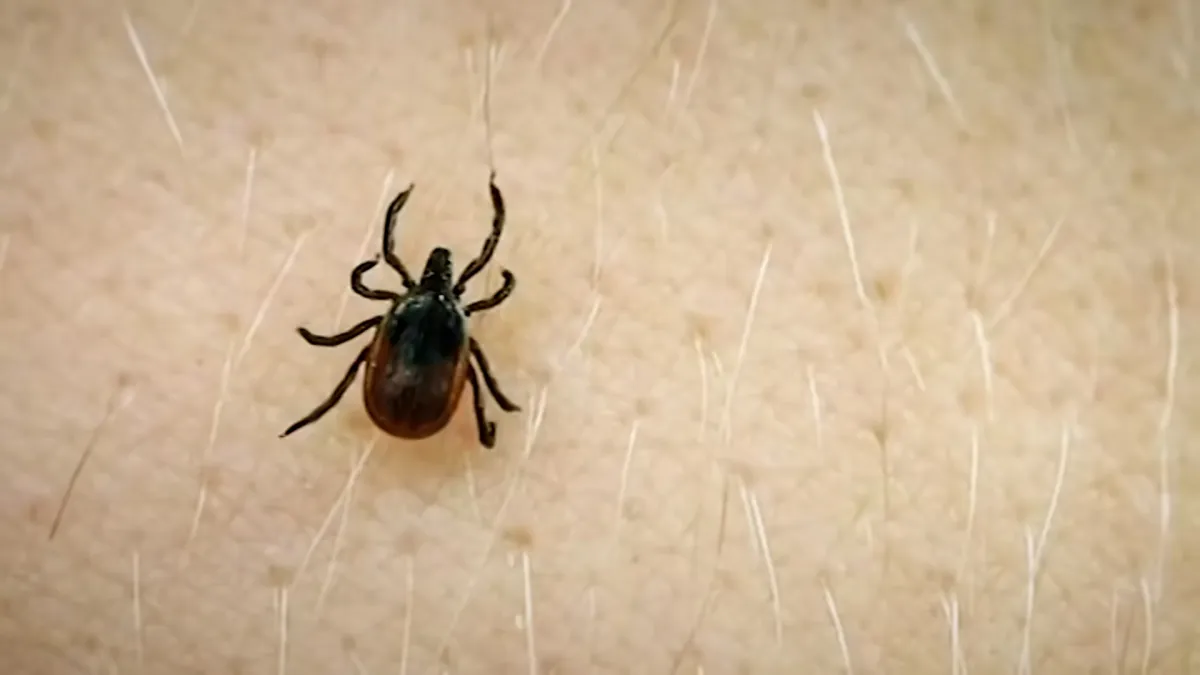
Busy tick season in Connecticut raises concerns about Lyme disease risk
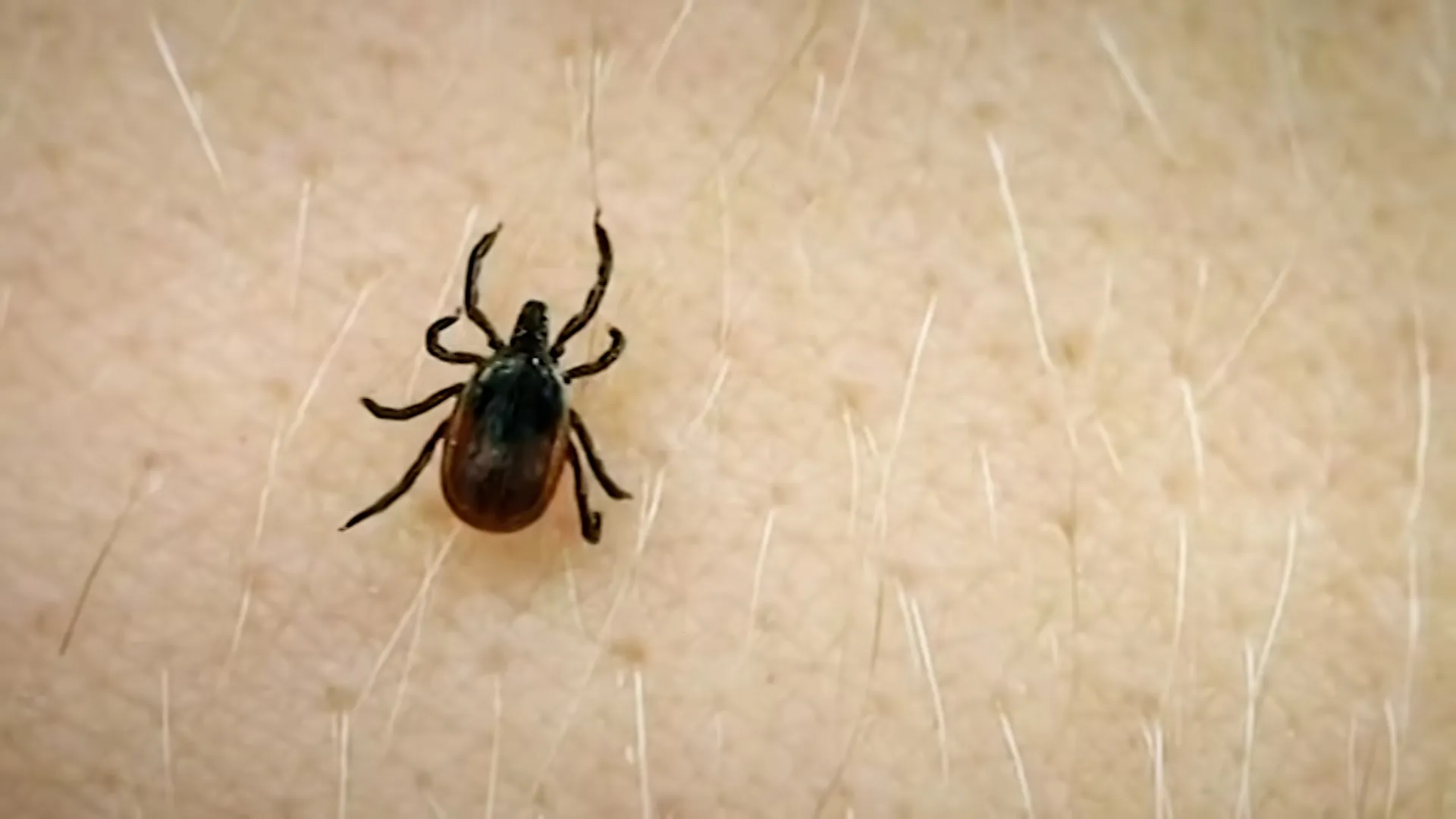
A day that feels perfect for getting outdoors in Connecticut may come with a hidden risk.
Experts say it is shaping up to be a busy year for ticks, and recent testing shows up to half are carrying the bacteria that can lead to Lyme disease.
While many people associate ticks with hiking trails and wooded areas, experts say exposure is often closer to home.
They warn that people frequently pick up ticks in their own backyards or even inside their homes if pets bring them in.
Chris Vogt of Cromwell said she takes precautions with her mini poodle, Cinnamon.
“I do check her when we go out in the woods, or she goes out pretty much any day.”
Vogt said she also relies on monthly medication to help protect her dog.
“She gets them, but I give her medication, oral medication once a month. And so when she’s getting ticks on her, they just crawl off, usually,” Vogt said.
Tracking tick activity is a major focus at the Connecticut Agricultural Experiment Station.
Residents who find ticks can submit them for testing through their local health department.
“Our phone in the laboratory and my office is ringing nonstop. People are very concerned because they are exposed to tick bites,” said Goudarz Molaei, of the Connecticut Agricultural Experiment Station.
Officials said nearly 3,000 ticks had been submitted by June 1, and the total has continued to grow since then.
Researchers say up to 50% of the ticks being tested are carrying bacteria that can cause Lyme disease, an increase from previous years.
Field research is also showing significant tick activity.
“I collected, I should say, over a couple of 1,000 ticks in a matter of one hour,” Molaei said.
Experts point to multiple factors contributing to the increase, including climate change, which is boosting populations of rodents that carry the bacteria and helping more tick species move into Connecticut.
They also said last winter did not reduce tick populations. Instead, the snowpack acted like insulation, allowing ticks to survive through colder months.
Health officials recommend using insect repellent, wearing protective clothing, and avoiding areas with tall grass and dense vegetation.
“I always stay on the paved roads,” said Barbara Riihimaki of West Hartford who was out walking at the West Hartford reservoir.
Experts say June can be especially challenging because of the presence of baby ticks, also known as nymphs.
They are about the size of a poppy seed, making them difficult to spot and increasing the risk of exposure.







From breaking news and local politics to art exhibitions, live music, high school sports, small businesses, and cultural events, we celebrate the people and places that make Connecticut unique.