
Building strength in this area of the body can reduce dementia risk, research shows
A wealth of research links dementia risk to lifestyle choices and chronic illnesses. Among that data are studies that consistently show physical activity, specifically building and maintaining strength, can reduce one’s likelihood of cognitive decline.
As 10 million new dementia cases arise annually, strength in one area of the body stands out as an especially reliable indicator for cognitive health, one 2022 study found: your hands and forearms.
Improving and maintaining grip strength during middle age can lead to better neurological health later in life, Jennifer A. Schrack, Ph.D., director at the Johns Hopkins Bloomberg School of Public Health’s Center on Aging and Health, tells TODAY.com.
However, she adds, building grip strength involves much more than upper-body workouts at the gym; it’s an undertaking that calls for a full-body commitment meant to stimulate your mind for the long run.
How grip strength and dementia are related
Your grip strength is a reflection of your total body strength, which research has repeatedly linked to overall cognitive function, says Schrack. “We use grip strength in studies because it’s easy to measure, whereas total body strength is much more difficult to measure,” she explains.
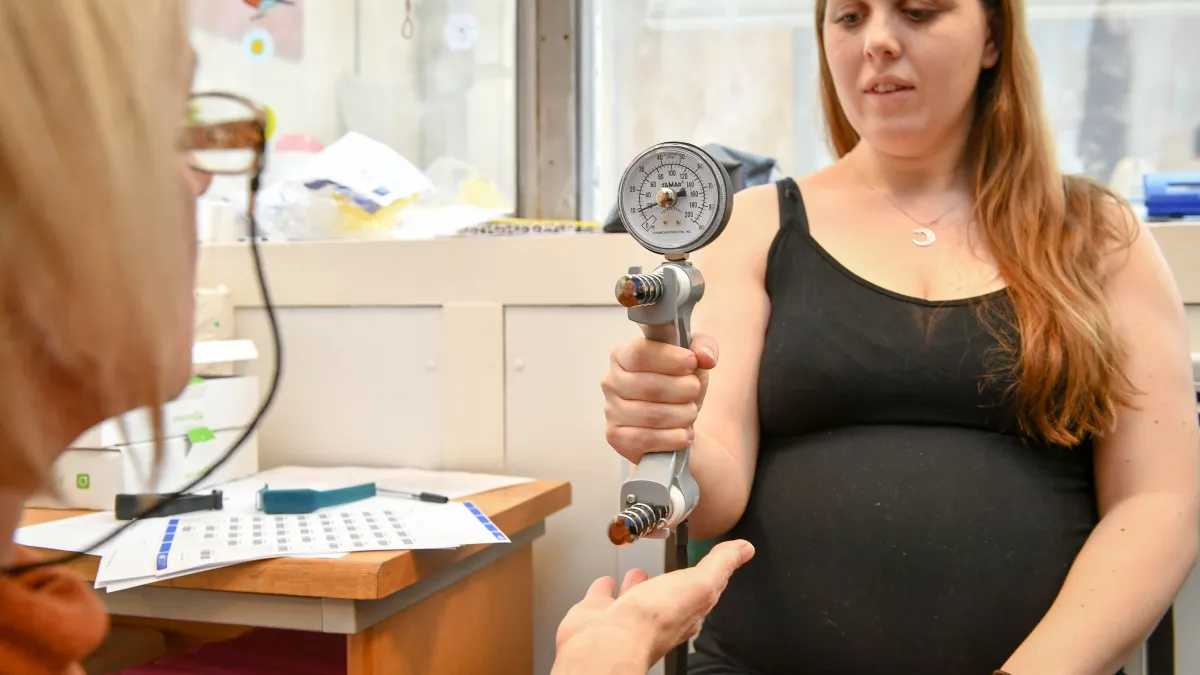
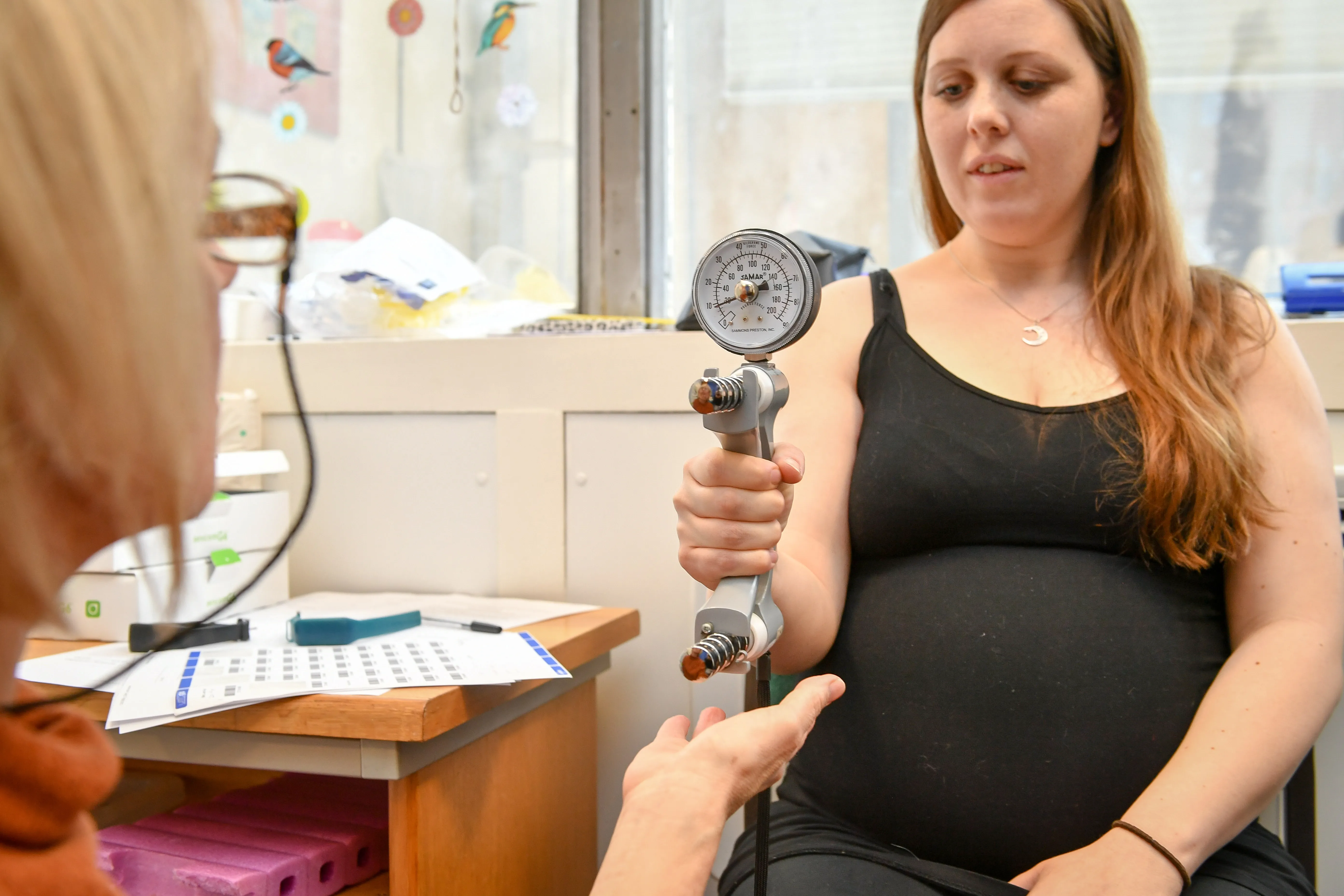
Grip strength in particular can track how well the brain is communicating with the rest of the body to control motor function and sensation, she adds. It is measured with a hand dynamometer, available at physical therapists’ offices, some primary care offices and at hand specialist practices.
A 2019 study found the weaker an older adult’s grip strength, the greater the likelihood of cognitive impairment. The study authors said that measuring grip strength can help identify people who may have symptoms beyond normal age-related cognitive decline and need early intervention.
A 2022 study looking at grip strength and dementia risk similarly concluded that increasing muscle strength in middle age may help maintain brain health.
Because muscle mass typically peaks between ages 30 and 35, TODAY.com previously reported, strength and coordination will progressively decline after that. It also doesn’t help that “we tend to do less as we age,” Schrack says. That lack of movement further drives this loss of muscle mass, she explains, and degeneration in muscle function often precedes mental degeneration.
When to start building grip strength
While there are benefits to being fit at all stages of life, Shrack says the most critical time to prioritize building strength to reduce dementia risk is between ages 45 and 65. Doing so combats the decline in muscle mass taking place.
In one study, the most physically active adults (in mid-life and late-life) were 41-45% less likely to develop dementia than the least active.
What is considered good grip strength? Shrack points to a 2014 study that found the average grip strength for men was between 26-32 kilograms (meaning they squeezed the equivalent of this weight with their grip), and anything less than that was considered “weak.” For women, grip strength between 16-20 kilograms was considered “intermediate,” and anything below 16 was “weak.”
How to improve grip strength
Since grip strength is a reference for overall strength, improving it calls for strengthening your entire body, says Schrack. But you can also integrate grip strength into your routine with specific exercises in the same way you’d treat any other muscle group.
Your approach should depend “on a person’s age and fitness level, of course, but there’s lots of things people can do,” Schrack says.
For older populations, she recommends chair stands, wall pushups and light dumbbells. They can also squeeze stress balls or use resistance bands between their arms if they want to dedicate part of their workouts to grip strength.
Occupations, hobbies and sports, she says, can make a difference, too. Schrack’s mother is an 85-year-old organist whose hands get a challenge every day. And those who enjoy knitting, tennis or golf will definitely have their grip strength put to the test.
Younger people, on the other hand, will need something more challenging, says Schrack. Their muscles will require regular strength training and progressive overload. For grip-strength-focused exercises, Alexander Rothstein, Ed.D., assistant professor of exercise science at New York Institute of Technology’s School of Health Professions, tells TODAY.com he recommends these workouts:
- Farmer’s carry
- Suitcase carry
- Bottoms-up kettlebell carry
- Dead Hang
This story first appeared on TODAY.com. More from TODAY:







From breaking news and local politics to art exhibitions, live music, high school sports, small businesses, and cultural events, we celebrate the people and places that make Connecticut unique.