
Bears are awake and here to stay, but conflicts with humans need to drop: Report
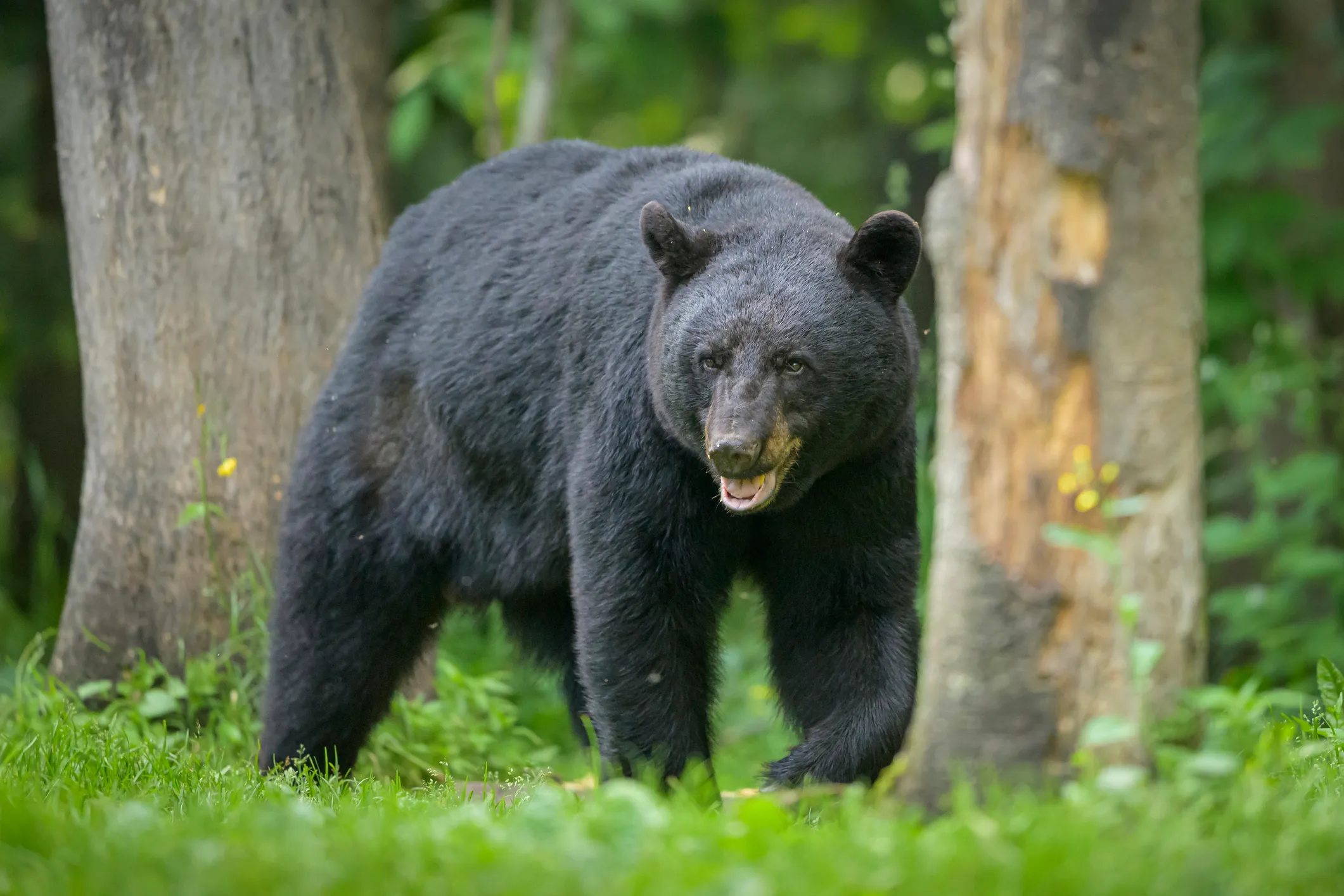
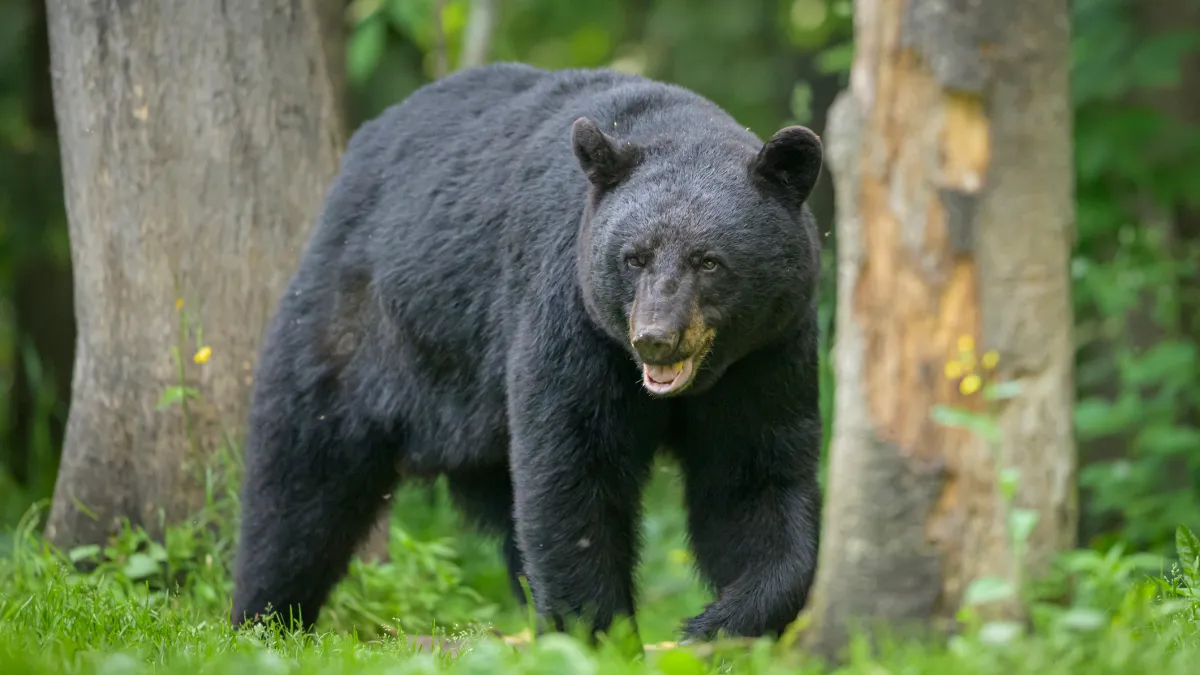
Bears are back out in large numbers this year, and the Department of Energy and Environmental Protection (DEEP) just released its 2026 State of the Bears report as we head into the warm months.
The main concern is human-bear conflicts.
“They come by when I’m not around, they will get the bird feeder,” said Ted Roth of Washington.
He sees bears regularly and must remain vigilant because of their prevalence in town. Roth explained that living in Washington means living with bears.
But experts say humans need to get better at coexistence with the bears.
“We need to be more vigilant about what we do that is putting bears in bad situations,” said Jenny Dickson, DEEP’s director of wildlife.
DEEP said their report shows increasing activity statewide, territorial expansion, and population growth.
But perhaps the most concerning upward trend, according to experts, is the increase in conflict.
“A lot of the problems we are seeing, a lot of the conflicts we are seeing are driven by the actions of humans,” said Dickson.
The report indicates that while Connecticut’s bear population is smaller, bear home entries in our state outpace those in our neighbors in Mass. and N.Y. Connecticut has averaged four home entries per one hundred bears each year, compared to Mass. and N.Y.’s one entry per one hundred bears.
The report also indicates that Mass., for example, has more than twice the number of bears in its state, yet Connecticut sees far more conflicts.
The report indicates that while no two states can be perfectly compared, the trend is alarming, and efforts to reduce conflicts need to be reinforced.
“The more we can instill that natural fear of humans and make them feel more comfortable, the more that is going to do to keep bears and humans safe,” Dickson explained.
Scaring them off when they approach homes is a start. But steps also need to be taken to not attract them in the first place. Homes and people can’t be associated with food, according to DEEP.
Household items, such as trash and bird feeders, need to be secured or taken down. Backyard livestock, specifically chickens, also need to be secured with tools such as electric fencing. Those three continue to be the major drivers of conflict.
White Memorial Conservation Center is in Litchfield, at the heart of “bear country” in Connecticut. The center is no stranger to bears, so living and working around them is typical.
For them, it’s about securing trash and anything that might carry a scent and ensuring bird feeders are taken down to discourage bears from coming near homes.
“We have to do a lot of work around our homes and really think ahead,” James Fischer with the center explained.
He even noted that he will douse his trash with ammonium on days it sits to be picked up, just to mask its scent.
He explained that the reality is that all of Connecticut can be considered bear country, and they are here to stay.
“Get used to living with this new neighbor,” Fischer said.
While passive reports from the public also continue to show strong numbers, expansion, and a growing population, it has been years since a formal population study was conducted on black bear populations.
DEEP said this year they intend to do a formal population study in partnership with researchers from Mississippi State to better understand how much the population has grown.






From breaking news and local politics to art exhibitions, live music, high school sports, small businesses, and cultural events, we celebrate the people and places that make Connecticut unique.