
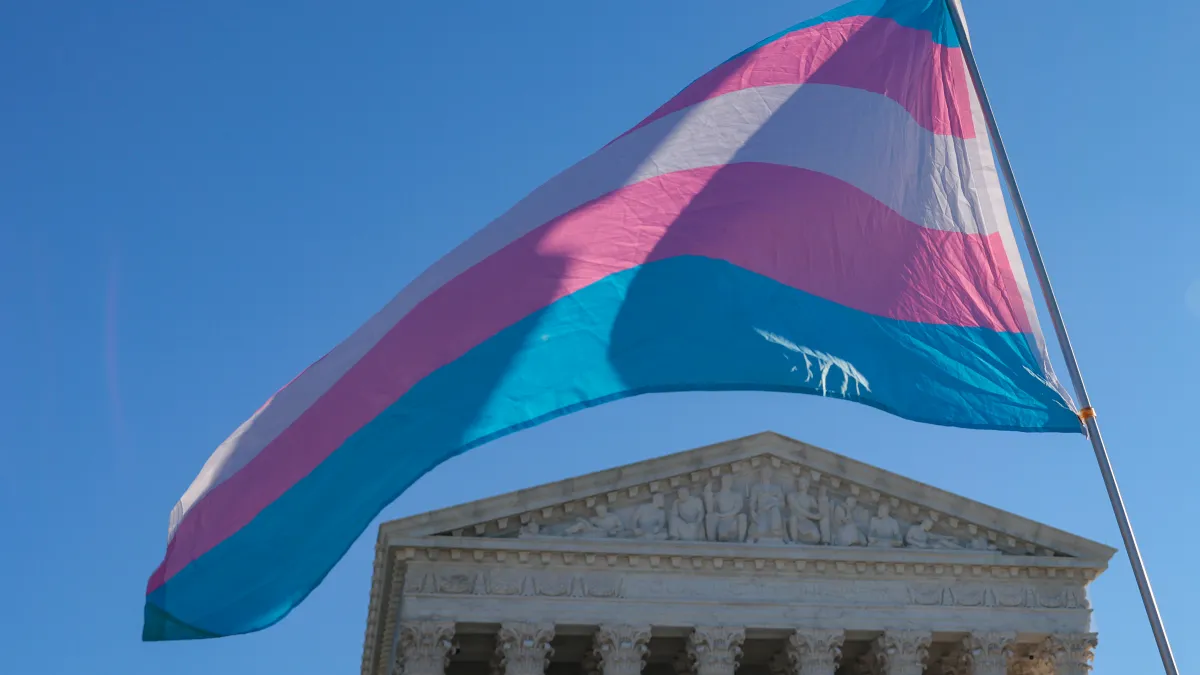
Supreme Court upholds state bans on transgender athletes in girls and women's sports
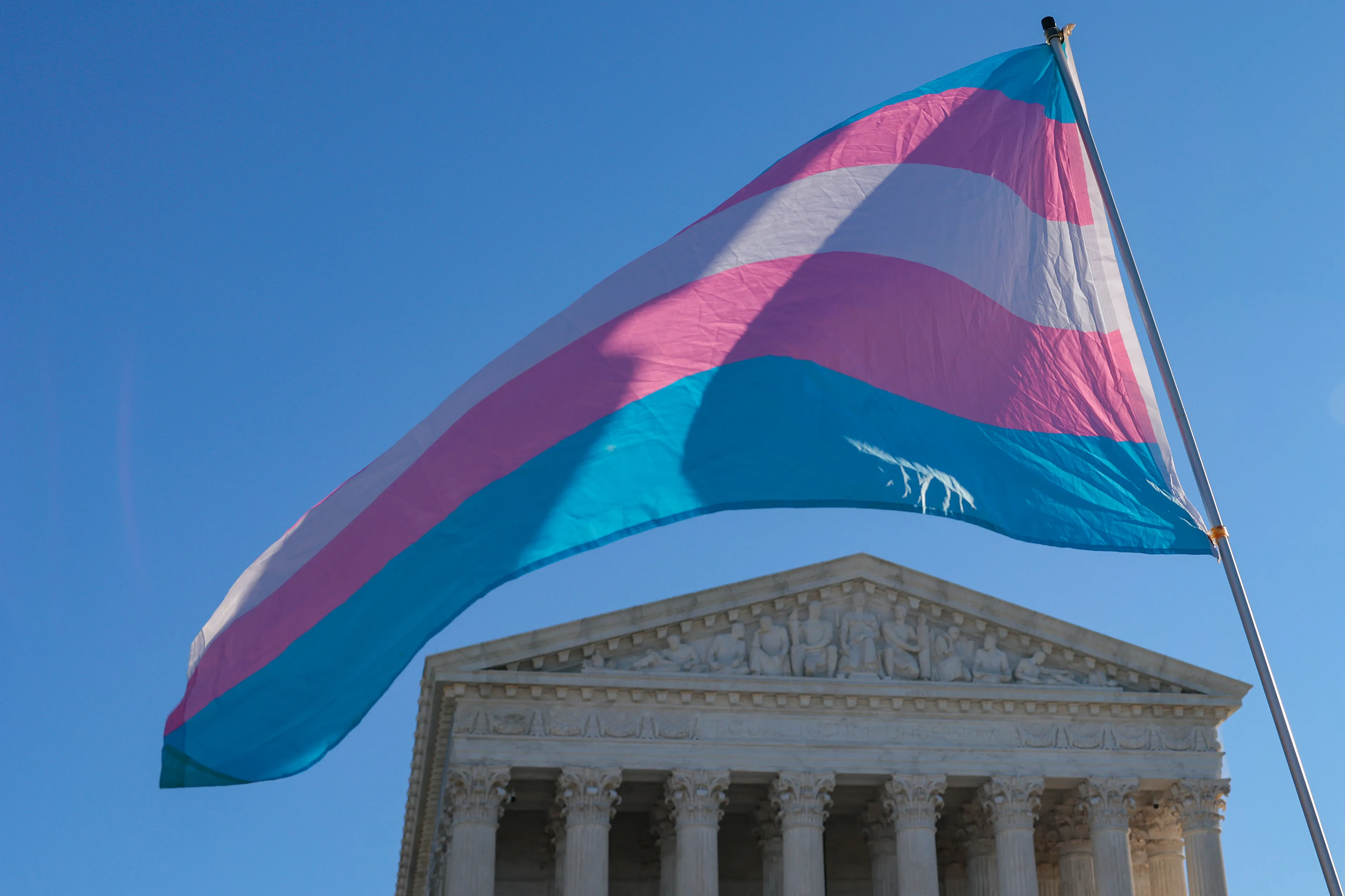
The Supreme Court on Tuesday upheld state laws barring transgender girls and women from playing on school athletic teams. The ruling on a pair of separate cases from Idaho and West Virginia could carry far-reaching implications for transgender rights.
The court’s conservative majority ruled the laws don’t violate either the Constitution or the landmark Title IX law, which prohibits discrimination in education and has produced dramatic growth in girls and women’s sports. The courts three liberal justices — Sonia Sotomayor, Elana Kagan and Ketanji Brown Jackson — dissented in part.
The court unanimously agreed that barring transgender girls and women doesn’t run afoul of the federal law known as Title IX, which prohibits sex discrimination in education.
In the first case, Lindsay Hecox, 25, sued over Idaho’s first-in-the-nation ban for the chance to try out for the women’s track and cross-country teams at Boise State University in Idaho. She didn’t make either squad because “she was too slow,” her lawyer, Kathleen Hartnett, told the court during oral arguments, but she competed in club-level soccer and running.
The second case centers around a 2021 West Virginia law that also bans trans athletes from participating on women’s and girls’ sports teams. Becky Pepper-Jackson, now a 15-year-old high school sophomore, wanted to join her middle school girls’ cross country team in 2021 and sued her state over the law. An appeals court granted a preliminary injunction barring the state from enforcing the ban that allowed her to try out for middle school sports. Pepper-Jackson has progressed from a back-of-the-pack cross-country runner in middle school to a statewide third-place finish in the discus in just her first year of high school.
Pepper-Jackson transitioned in third grade, publicly identified as a girl since age 8, and began taking puberty-blocking medication at the onset of her puberty. She’s also been issued a West Virginia birth certificate recognizing her as female. Pepper-Jackson is the only transgender person who has sought to compete in girls sports in West Virginia.
The states argue that the laws do not discriminate on the basis of transgender status but are instead a legitimate “sex-based classification” that is allowed under Title IX to protect girls and women.
Despite the small numbers of transgender athletes, the issue has taken on outsize importance. The NCAA and the U.S. Olympic and Paralympic Committees banned transgender women from women’s sports after President Donald Trump, a Republican, signed an executive order aimed at barring their participation.
About 2.1 million adults, or 0.8%, and 724,000 people age 13 to 17, or 3.3%, identify as transgender in the U.S., according to the Williams Institute at the UCLA School of Law.






From breaking news and local politics to art exhibitions, live music, high school sports, small businesses, and cultural events, we celebrate the people and places that make Connecticut unique.