Connecticut governor candidates debate property tax relief as bills arrive
It’s a time of year many homeowners across Connecticut dread: property tax bills are arriving in mailboxes.
As residents brace for the costs, candidates for governor are outlining competing ideas to make living in the state more affordable, particularly when it comes to housing.
Property taxes in Connecticut are among the highest in the country, impacting both homeowners directly and renters indirectly through housing costs.
“It’s very costly. And this is my main worry: Can I keep my home?” said Paula Roche of Hamden.
Many residents share that concern. The average homeowner in Connecticut pays about $6,600 in property taxes, according to WalletHub, ranking the state among the highest in the nation.
“My age group, especially, we’re making sacrifices that we don’t want to have to do,” Roche said.
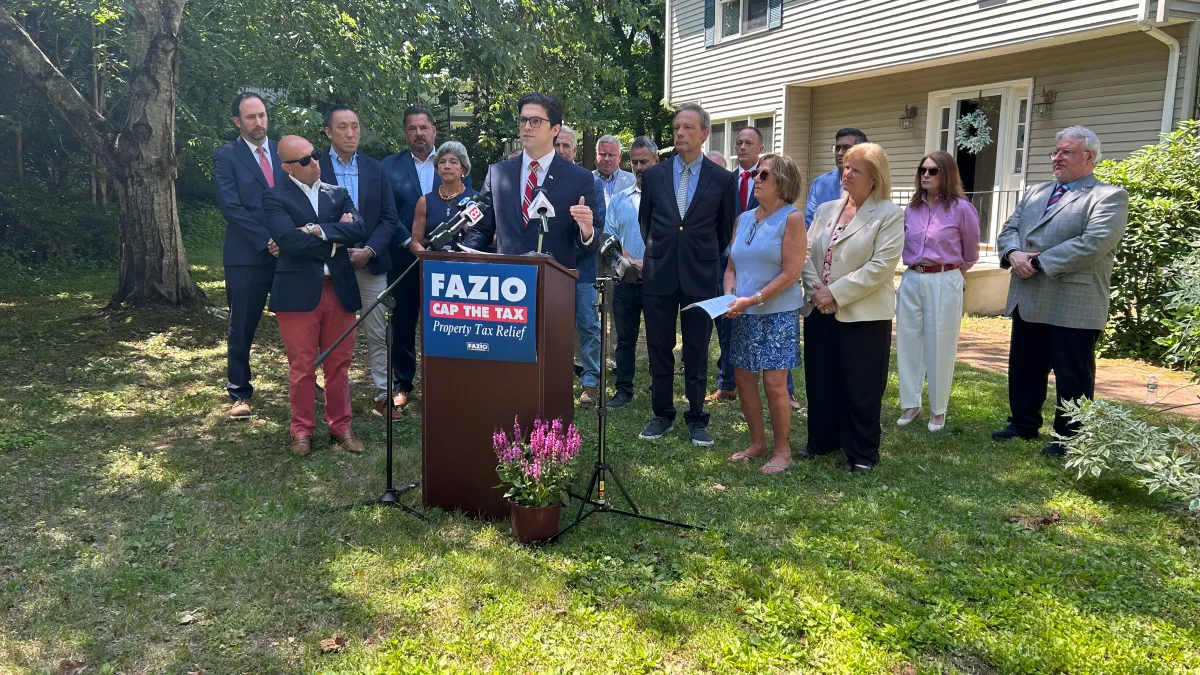
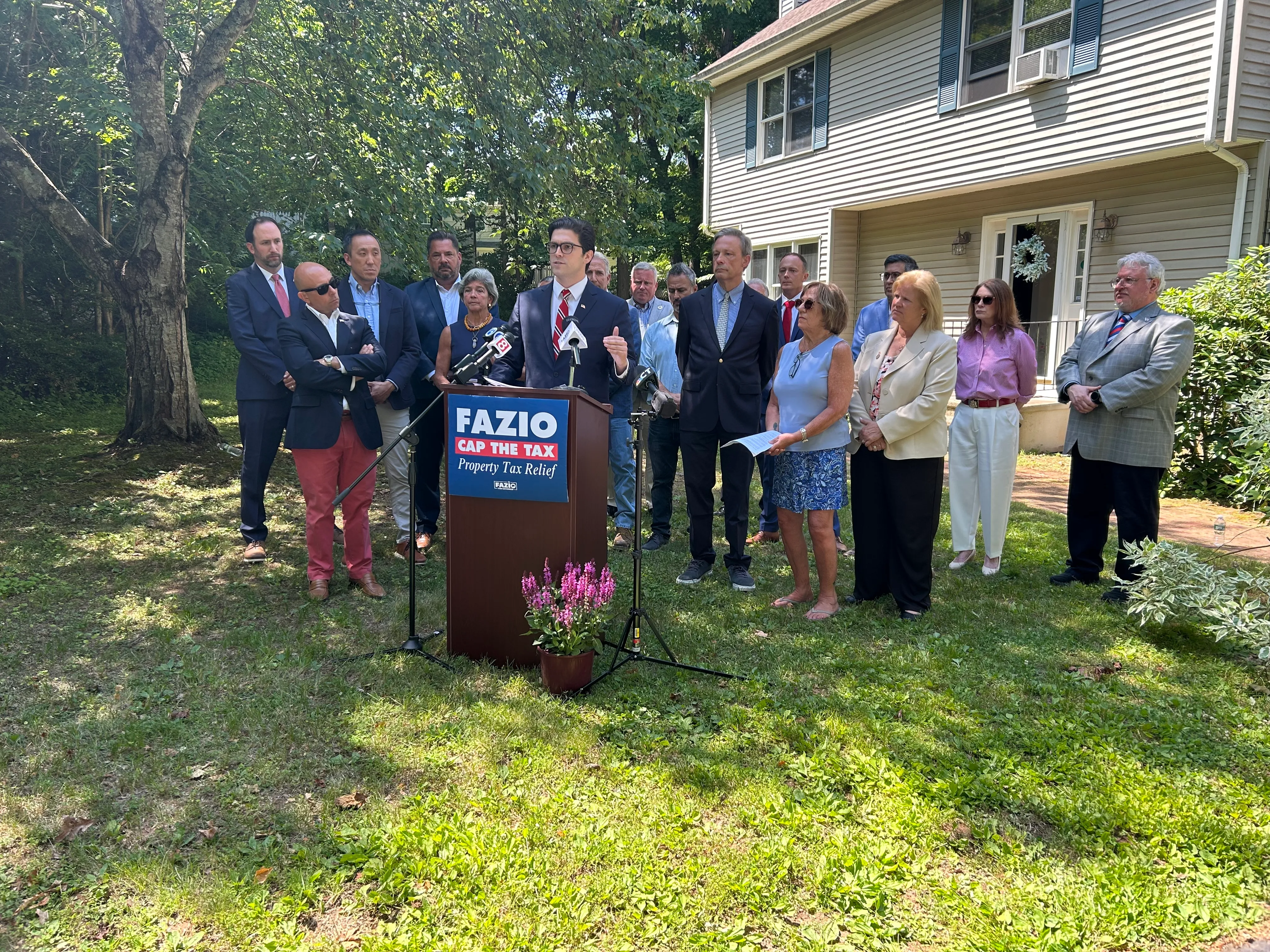
On Wednesday, Roche opened her home to Republican gubernatorial candidate Ryan Fazio, who outlined his proposal to address property taxes.
The plan includes eliminating hundreds of unfunded state mandates, updating payments from large nonprofits that do not pay property taxes, making state funding to towns and cities — including for schools — more predictable, and capping property tax increases.
“We want to provide leadership and a positive change to protect homeowners, to protect renters, to protect small businesses from the spiraling property tax burden,” said Fazio.
Gov. Ned Lamont’s campaign pushed back on the proposal.
“This proposed plan breaks the fiscal guardrails and violates local control over education investments. It’s as outrageous as it is unachievable,” said Rob Blanchard, a campaign spokesperson.
The campaign also pointed to Lamont’s record on property tax relief.
The recently signed state budget includes hundreds of millions of additional dollars for cities and towns.
The campaign for Democratic candidate Josh Elliott did not respond to a request for comment.
On his website, Elliott calls for increased state funding for schools to help reduce property taxes and for loosening budget guardrails to allow more investment in housing.
Fazio said it is still unclear how much money his proposal would ultimately save residents. He said some changes could be implemented by the governor, while others could require working with Democrats in the legislature.







From breaking news and local politics to art exhibitions, live music, high school sports, small businesses, and cultural events, we celebrate the people and places that make Connecticut unique.