
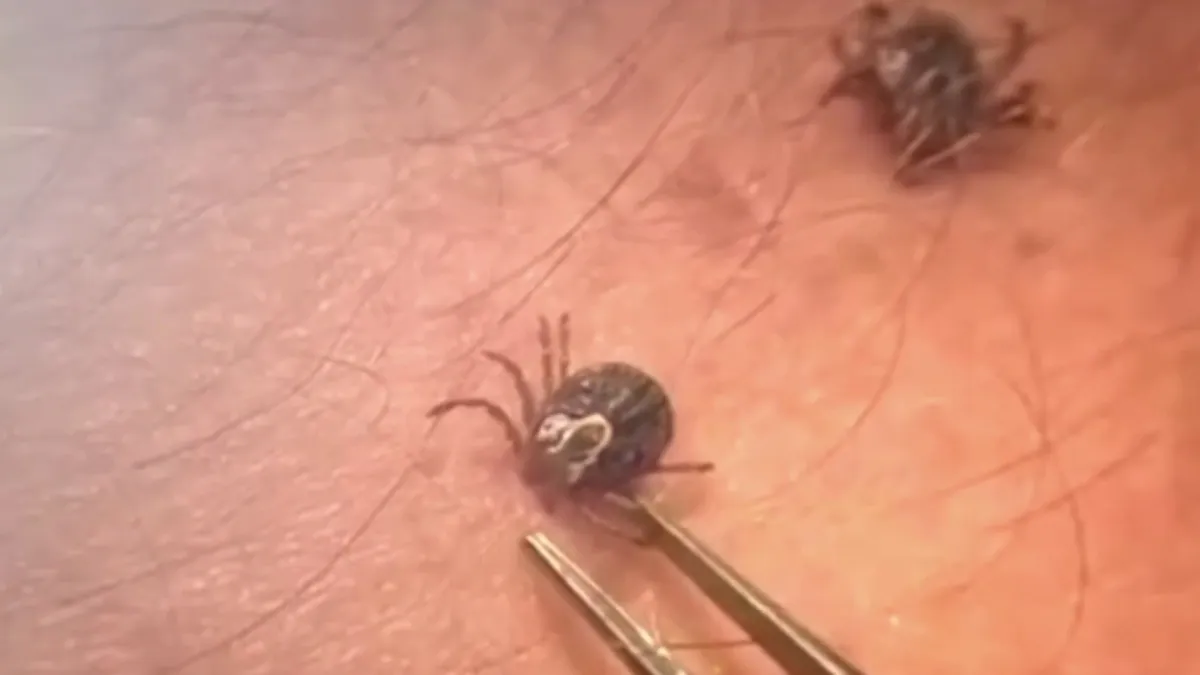
With more ticks testing positive for Lyme disease earlier in the season, officials say prevention is key
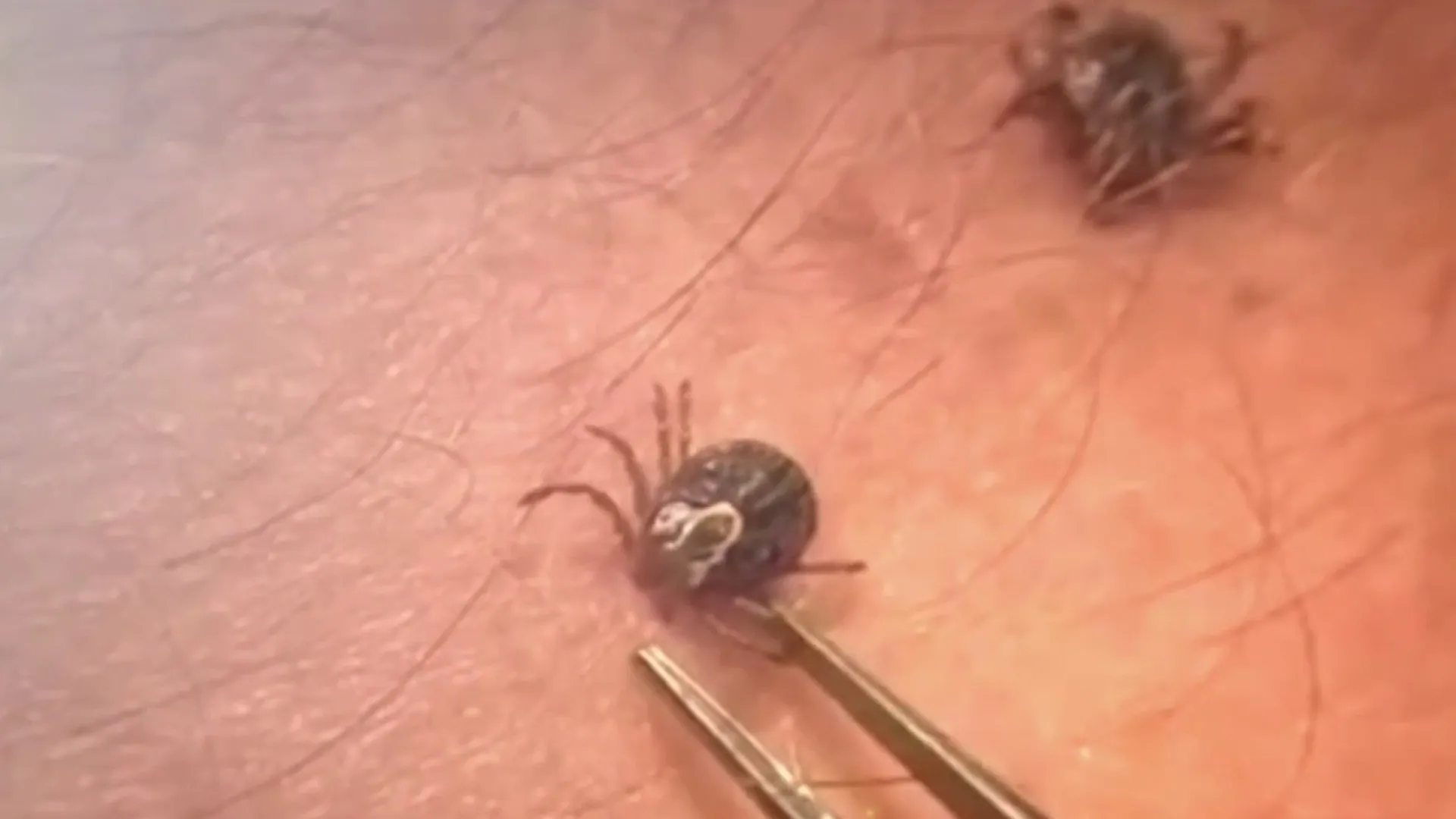
As the weather warms up, health experts are warning tick season is off to an early and potentially more dangerous start. With more ticks testing positive for Lyme disease earlier in the season, officials say prevention is more important than ever.
“During the past few weeks, we have received an average of 30 tick submissions per day for testing, and greater than 40% have tested positive for Lyme disease spirochetes,” said Goudarz Molaei, a research scientist at CAES in a news release.
He also said that those ticks also tested positive for other tick-borne illnesses, like babesiosis, anaplasmosis, and borrelia miyamotoi disease.
This is a significant increase in average from past years.
“The average infection rate since 1996 has been 32% for adult blacklegged (deer) ticks and 22% for nymphs. However, in recent years, these rates have increased substantially, albeit with some fluctuations,” Molaei said.
“It’s very early. So, I think people need to be aware earlier on this season, right now, you’d be seeing the nymphs. They’re much smaller and more difficult to spot,” said Sarah Lawson, a biology professor at Quinnipiac University.
She says an active early tick season is creating questions on what role our snowy winter is or is not playing in how the tick cycle could play out for this year.
“Either it could have killed everyone, or they could have wintered under the leaf litter under the level of frost and been really successful,” Lawson said. “We’re still waiting for the data to make decisions on that.”
Prevention remains the most effective way to not get Lyme disease.
“Check yourself, your animals and your children along the hair lines, in the armpits, anywhere where your joints are is where they like to hang out if you can get the ticks before they bite,” said Lawson. “They typically take about 24 hours to transmit disease. So, if you’re getting those tick checks when you come back inside, everything will be fine.”
Using tick repellents when hiking or camping and conducting tick checks remain the best ways to reduce the risk of contracting tick-borne diseases,” Jason White, the director of the CAES, in a news release.
But change could be on the horizon with the potential for another tool in the prevention toolbox. New data from Pfizer’s Lyme disease vaccine called VALOR, which is in the works, shows that the version they’re testing is showing a roughly 70% efficacy rate in preventing the disease.
“The efficacy shown in the VALOR study of more than 70% is highly encouraging and creates confidence in the vaccine’s potential to protect against this disease that can be debilitating,” said Annaliesa Anderson, Pfizer’s senior vice president.
NBC News has previously reported that Pfizer is looking to launch the vaccine in 2027, once approved.







From breaking news and local politics to art exhibitions, live music, high school sports, small businesses, and cultural events, we celebrate the people and places that make Connecticut unique.