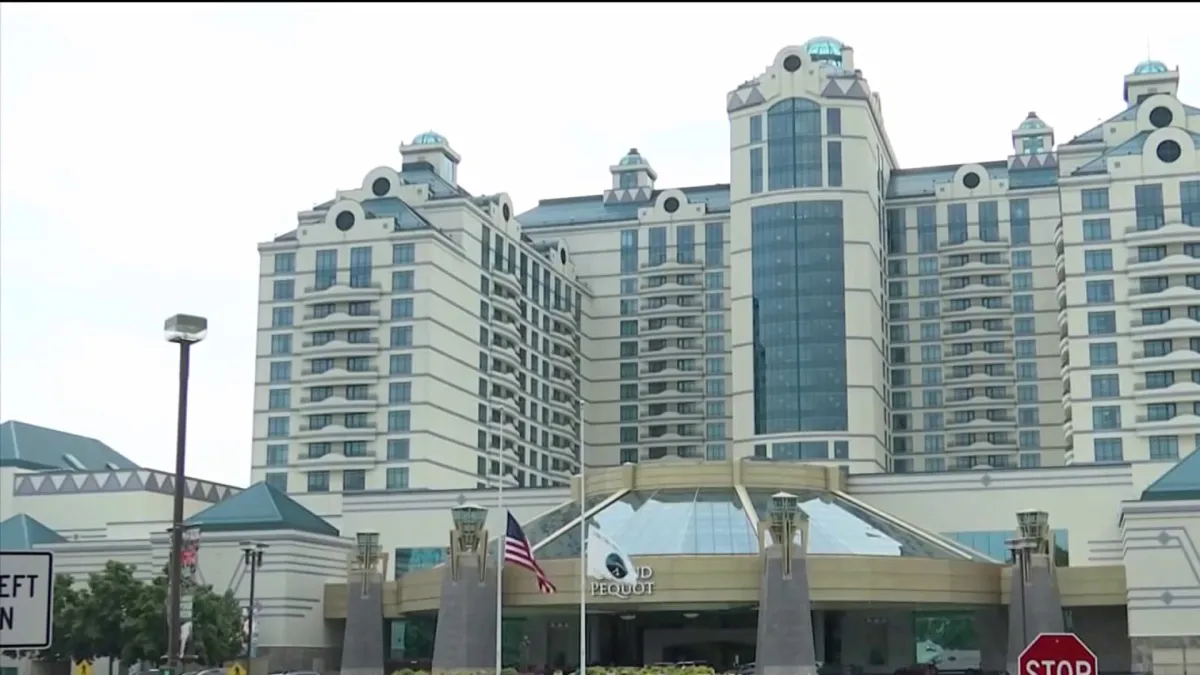
Connecticut enters cannabis compact with the Mashantucket Pequot tribe
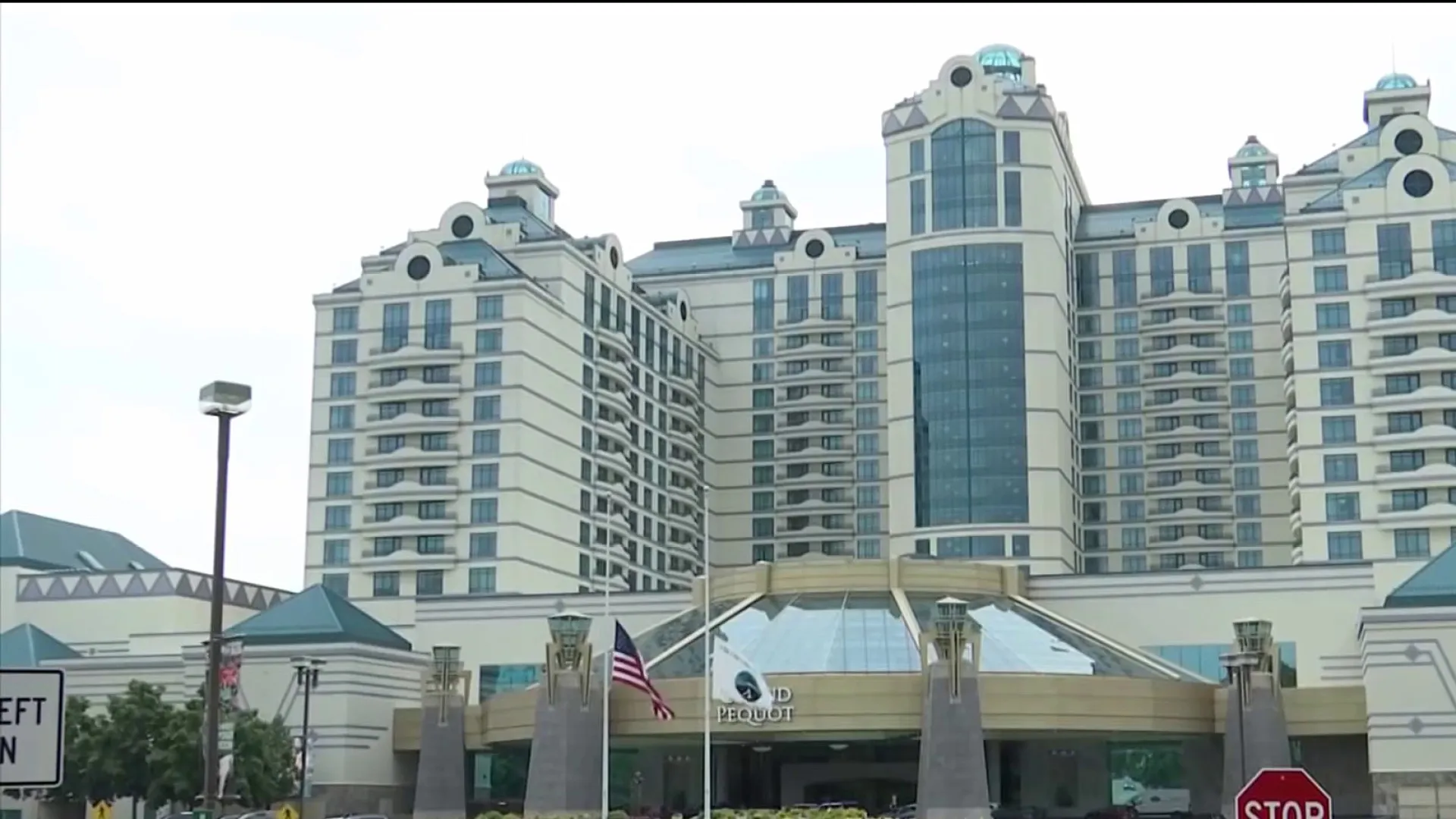
Experts say Connecticut’s cannabis compact with the Mashantucket Pequot tribe could benefit both sides.
The agreement requires the tribe to follow state laws governing the adult recreational cannabis industry, but it also allows any businesses on the reservation to be part of Connecticut’s marketplace.
“You do want to have a level playing field between cannabis purchased off the tribal property and on,” Quinnipiac University professor emeritus Patricia Luoma said.
Gov. Ned Lamont (D-Connecticut) announced the compact on Thursday.
“Together, we recognized the need for cooperation and collaboration with regard to cannabis regulation in the state and on tribal lands,” Lamont said in a statement announcing the deal.
Tribal leaders also said the arrangement continues its relationship with the state.
“It strengthens our government-to-government partnership with the state of Connecticut, and opens the door to future commerce between tribally-licensed cannabis businesses and state licensees,” Chairman Rodney Butler said in the statement.
The Mashantucket Pequot tribe has sovereignty, including the right to set its own cannabis laws, but the agreement cites several state statutes for the tribe to follow.
This includes rules for cannabis cultivation, product manufacturing, and the sale of both medical and recreational products.
It also stipulates that any business on tribal land can be a part of Connecticut’s regulated market.
State law only allows cultivators, manufacturers, and retailers to do business with other in-state entities. The compact means businesses approved by the tribe could participate in that.
The compact even allows the tribe to approve a cultivation operation of up to 250,000 square feet.
Shuresh Ghirmire, a hemp expert with the University of Connecticut’s Extension program, said the tribe has experience with various types of agriculture that could support growing cannabis.
“We’ve been working with them for a number of years now on agricultural enterprises where they started with producing in fields, high tunnel, moving into hydroponic greenhouses,” he said.
The agreement does allow the Mashantucket Pequot tribe to open a cafe or lounge where customers can consume cannabis on site, something permitted in Connecticut.
A spokesman for the Mohegan tribe did not comment.







From breaking news and local politics to art exhibitions, live music, high school sports, small businesses, and cultural events, we celebrate the people and places that make Connecticut unique.