
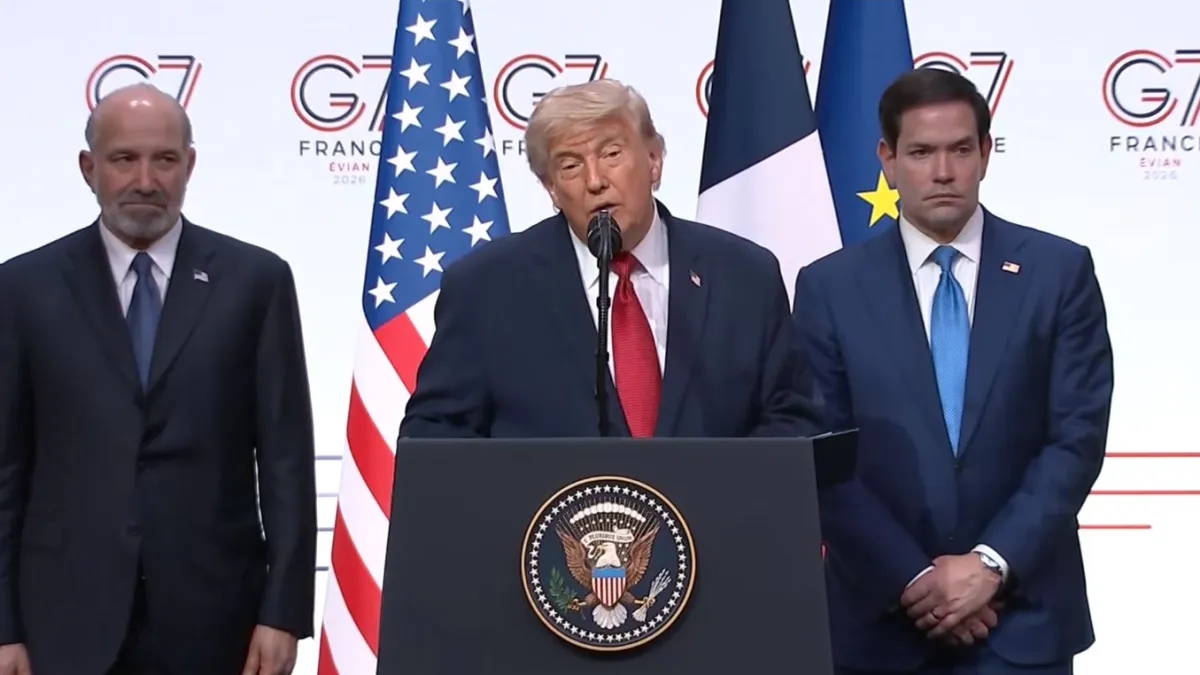
Connecticut analysts, Iranian-Americans weigh U.S.-Iran deal aimed at ending conflict
Experts and Iranians in Connecticut are offering mixed reactions after the United States and Iran signed a preliminary agreement aimed at ending the war and reopening a critical trade route.
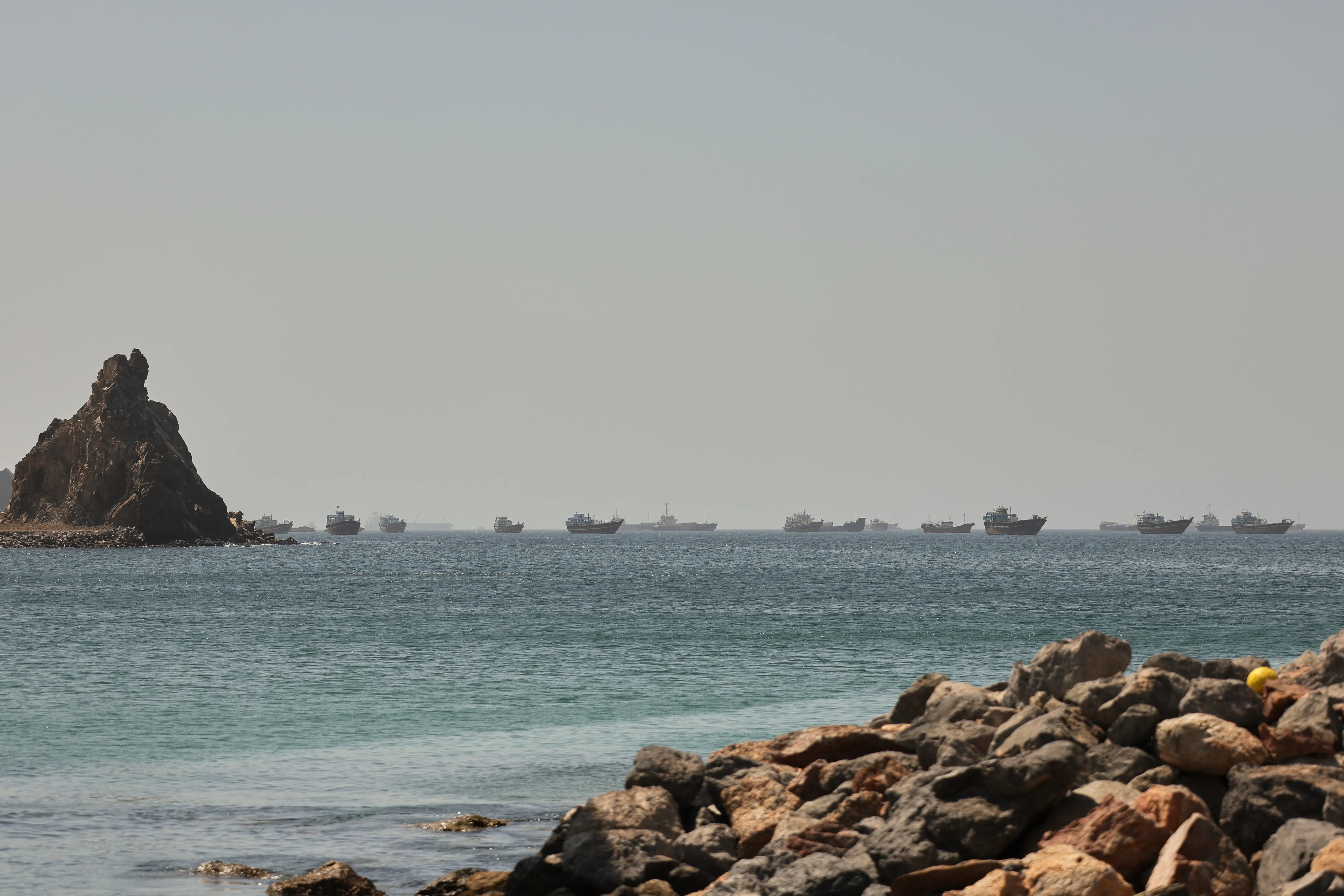
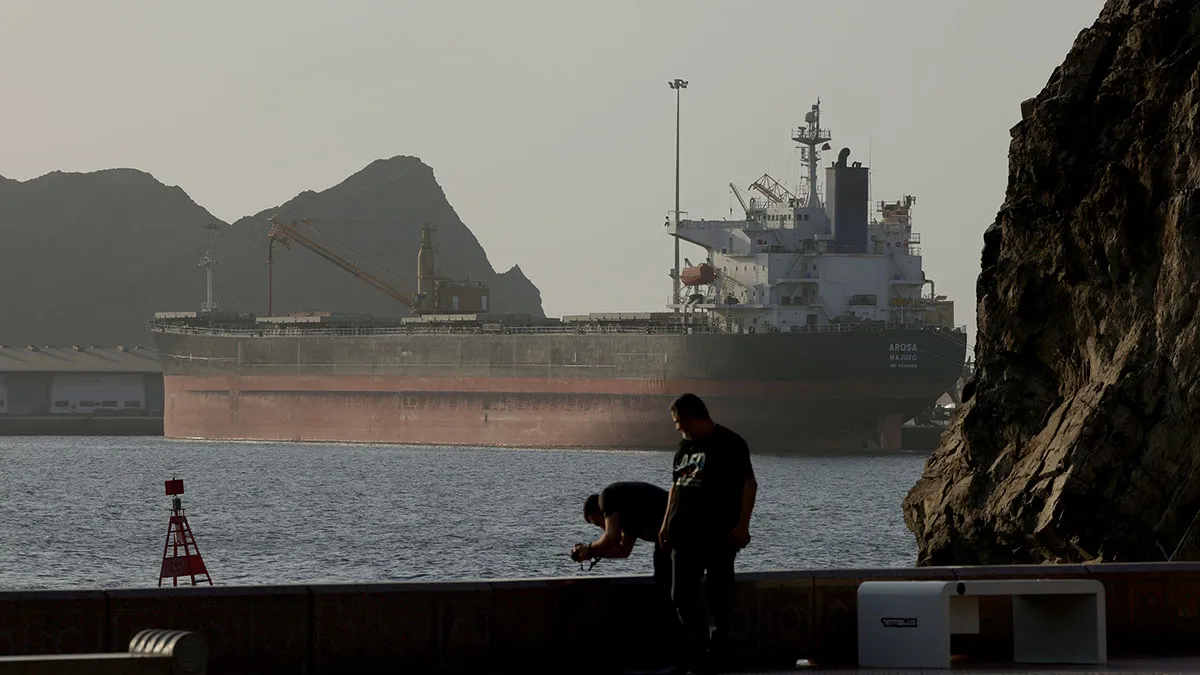
The two countries signed a 14-point memorandum of understanding, or MOU, outlining terms to end the conflict. Key provisions include Iran allowing toll-free passage through the Strait of Hormuz, the United States ending its naval blockade of Iranian ports and Iran reaffirming that it will not develop or procure nuclear weapons.
The MOU would also require the United States to develop a plan to provide up to $300 billion to help rebuild Iran.
Eric Fleury, a professor of government and international relations at Connecticut College, said the agreement appears to favor Iran because it contains more pressure points Tehran could potentially use as leverage.
“Iran can point to the US and say, ‘ You haven’t withdrawn enough troops, you haven’t provided enough sanctions. Israel is out of control in Lebanon,’” he said.
Fleury said a more permanent and detailed agreement still needs to be negotiated over the next 60 days, but he views the memorandum as a positive step.
“A framework is better than no framework,” he said.
Mohammad Elahee, a professor of international business at Quinnipiac University, said he sees the agreement differently.
“I think this deal actually gives Iran the chance to show its seriousness and its willingness to reintegrate itself with the world,” he said.
Some Iranian Americans in Connecticut were more critical of the deal, particularly because Iran’s current government remains in power.
Ramin Ahmadi, an Iranian American who lives in Woodbridge, said he questions what the agreement was intended to accomplish.
“I’m confused about the President Trump strategy or what he wanted to achieve,” he said.
Ahmadi said the deal feels like a betrayal and that any hope for change now rests with people inside Iran.
He said one positive outcome is that much of the country’s leadership was killed during the war, which he believes weakens the regime.
“I think they have to struggle against the regime again. It’s a weaker version of the regime, so that’s good,” Ahmadi said.





From breaking news and local politics to art exhibitions, live music, high school sports, small businesses, and cultural events, we celebrate the people and places that make Connecticut unique.