
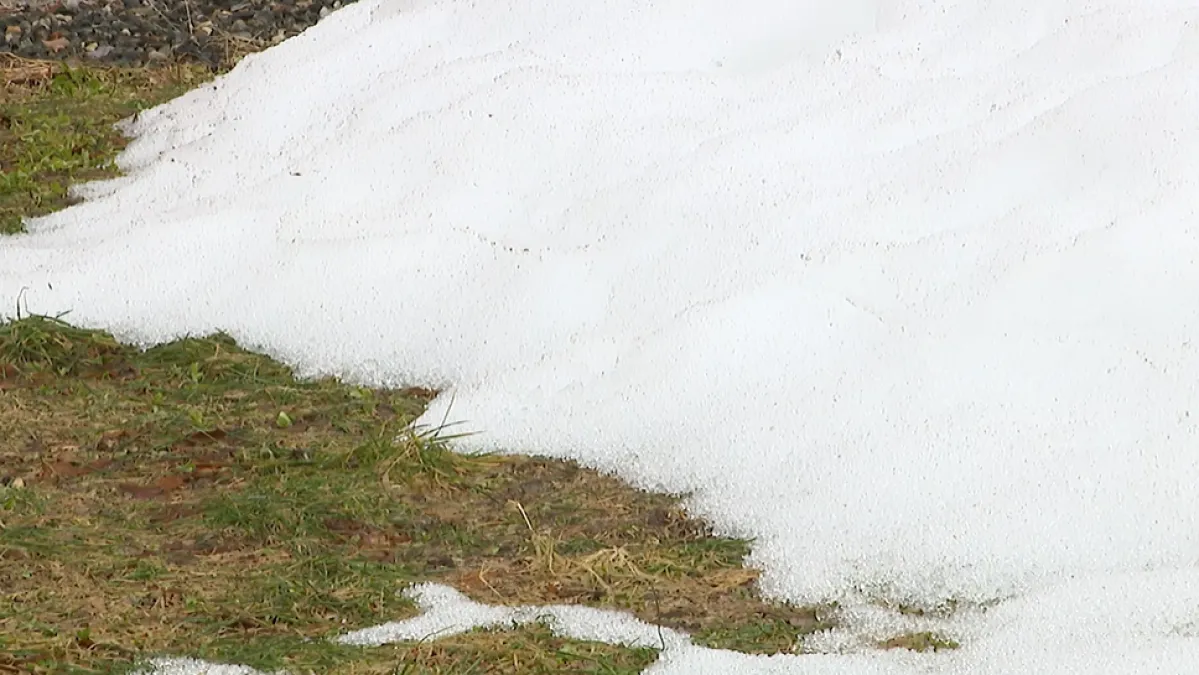
Snowfall protected tick population from this winter's extreme cold
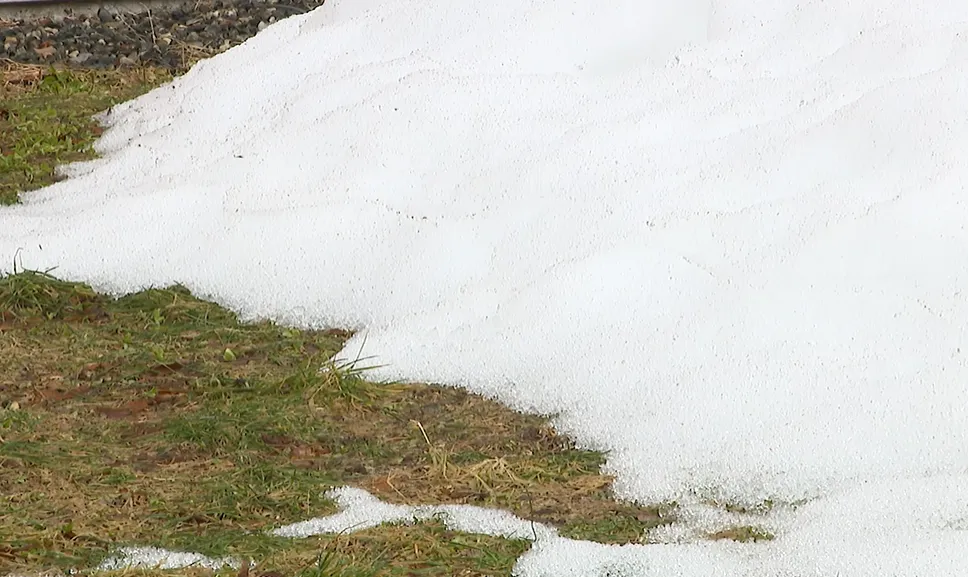
After a stretch of snowfall and extremely cold temperatures, you may be wondering if this year’s tick populations will be impacted.
“[Ticks] usually thrive under warm temperatures and high humidity,” said Dr. Goudarz Molaei, a medical entomologist with the Connecticut Agricultural Experiment Station in New Haven.
We’ve seen anything but warm temperatures so far this winter. The moisture content, however, has been persistent.
“In addition to the extreme cold that we are experiencing this winter, we have a healthy snow cover,” Molaei said. “The snow cover acts as a warm blanket for ticks.”
Even if cold temperatures seep deeper into the ground and affect ticks, some species in Connecticut have increased their endurance.
“These ticks that we have in our region, particularly the blacklegged tick, are a cold-tolerant tick species,” Molaei said. “It has been in the region for decades and decades, and it is used to cold temperatures.”
Ticks also live for around 2 years, so when thinking about their survival this summer, we can’t just look at this winter’s weather.
“The results that we see in spring and summer are the result of two-year tick activity because they have a two-year life cycle,” Molaei said.
In general, cold temperatures alone cannot affect ticks.
“The only time that cold temperature could have some impact on tick population this spring and summer is when we are experiencing cold snaps, under drier conditions,” Molaei said.







From breaking news and local politics to art exhibitions, live music, high school sports, small businesses, and cultural events, we celebrate the people and places that make Connecticut unique.