
Civil Rights icon, activist Rev. Jesse Jackson's deep ties to Connecticut
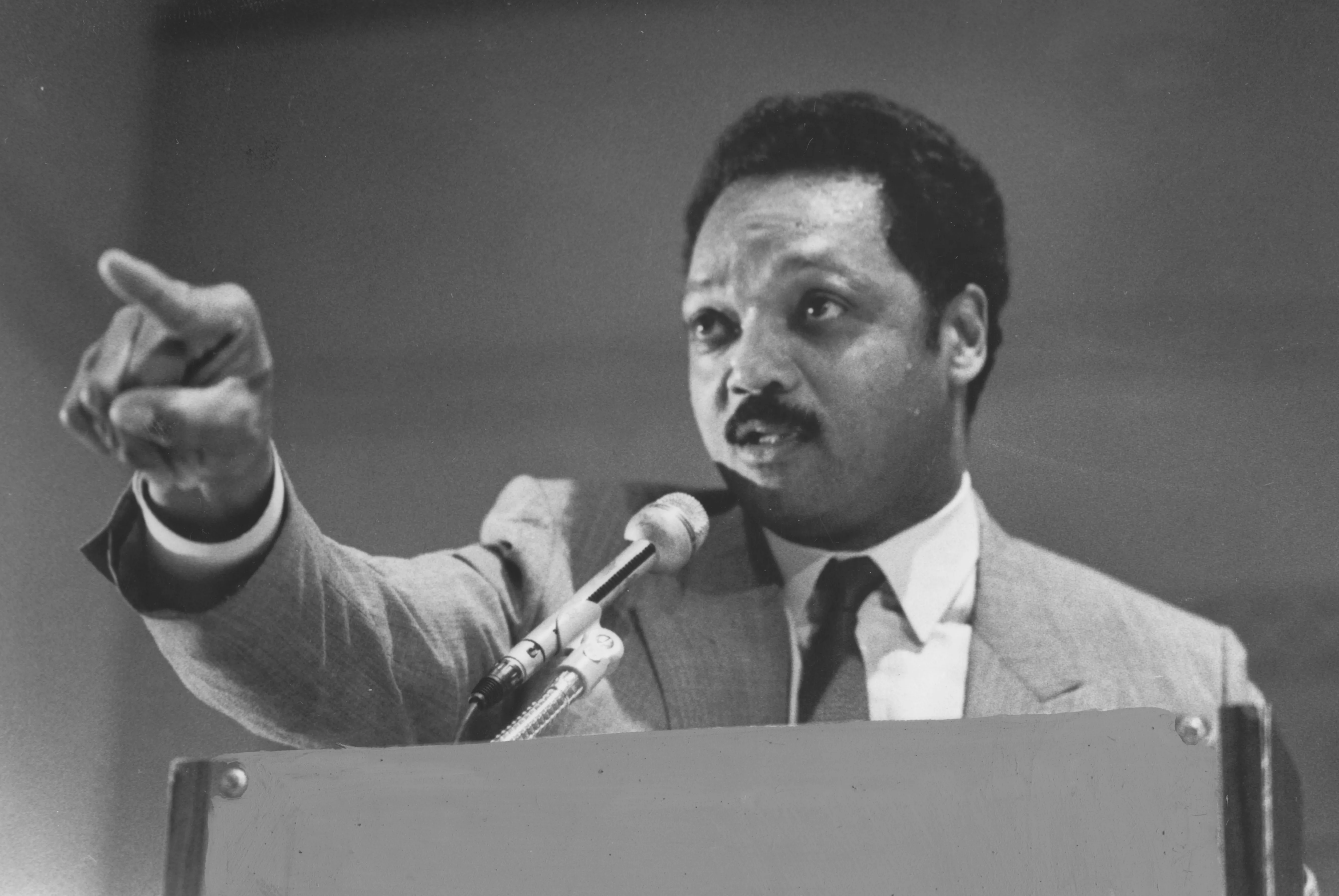
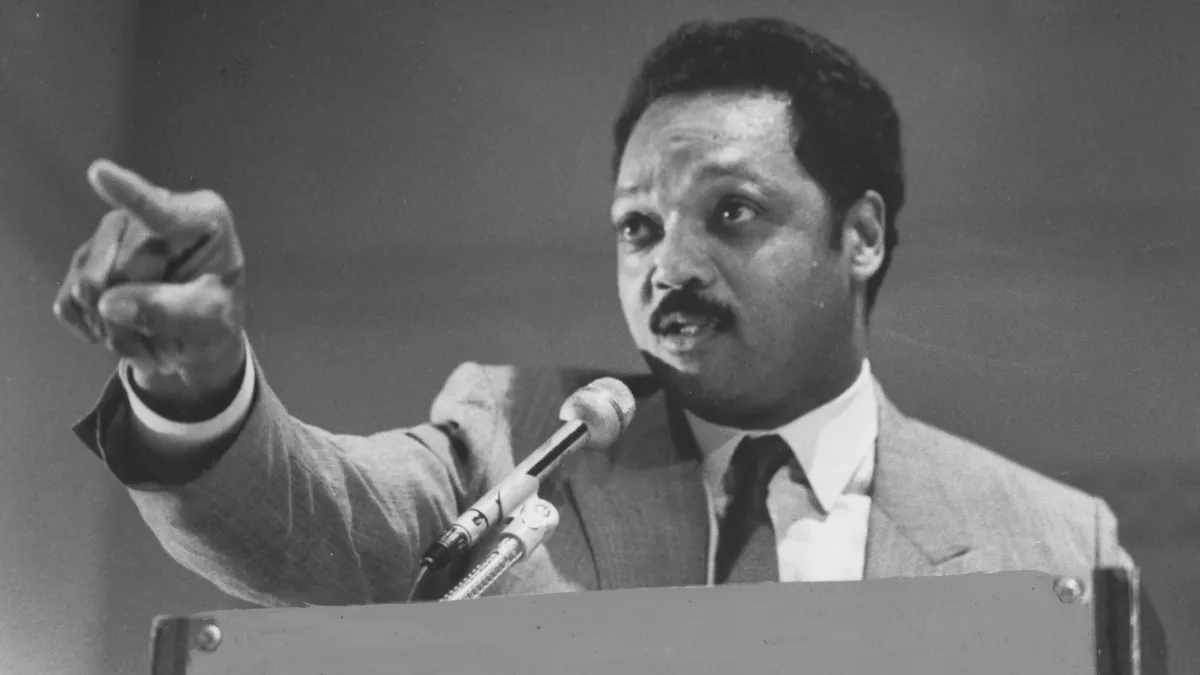
The Rev. Jesse Jackson, a civil rights icon who died Tuesday at 84, was no stranger to Connecticut, where he marched, campaigned, and rallied alongside workers and congregants over several decades.
In 1991, Jackson led the “March to Rebuild America” from Bridgeport to the state Capitol in Hartford.
Jackson also made multiple stops in Connecticut during his 1984 and 1988 presidential campaigns, delivering speeches to large crowds in Bridgeport, Windsor Locks, Middletown, and Stamford.
One of his most memorable visits came in March 2003, when Jackson traveled to New Haven to support striking workers at Yale University. Jackson spoke at Varick Memorial AME Zion Church, where he called on the university to restart contract negotiations with union workers.
“The poor can’t come because of color and can hardly get affirmative action, so the university gets whiter, and it gets richer, and the brown and the poor, they go to Iraq and Afghanistan,” Jackson said during his remarks.
Following the church visit, Jackson led a five-day march in support of the strikers. That day, he and others were arrested on civil disobedience charges after blocking traffic.
Mentored by the Rev. Martin Luther King Jr., Jackson spent his life advocating for civil rights, voting rights, and economic justice.
Hazel Johnson, 93, a member of Varick Memorial AME Zion Church in New Haven, said she remembers Jackson’s 2003 visit vividly.
“When I heard that on the news this morning, tears came down my eyes because for what he’s gone, what he’s gone through, it was really something,” said Johnson, of West Haven. “We have lost a great man.”
“That’s the first and last time I saw him, but I followed him. It was exciting. I’ll never forget,” she said.
Johnson said Jackson’s message resonated deeply.
“He was a great man and a great advocate for the people. That’s why I love him so much, because he was for the people. He had us as a race saying, ‘I am somebody.’”
Sean Duffy, a political science professor at Quinnipiac University, said Jackson’s legacy continues to shape conversations about racial and economic justice.
“I think that Jesse Jackson would’ve been a far more confrontational spokesperson for racial justice, for the needs and commitment of our working class more generally than almost any politician that we have today,” Duffy said.
For many in Connecticut, Jackson’s visits left a lasting impression — one rooted in activism, faith, and a call for equality.
“Reverend Jackson fought for a better America for everyone – from his lifelong advocacy for civil rights to his decades of dedicated leadership in Democratic politics,” said Larson. “His presidential campaigns and Rainbow/PUSH Coalition brought together Americans of diverse racial and religious backgrounds around a common agenda of equality for all. Since my time in Congress, I have seen firsthand the power of his coalition – helping to pass the Affordable Care Act, cut child poverty in half with the Child Tax Credit, and advance marriage equality for LGBTQ+ Americans. I have also had the distinct privilege of serving with two of his sons in Congress – Jesse Jr., and Jonathan Jackson. I send my deepest condolences to the Reverend’s wife, Jackie, his six children, including my colleagues, and the entire Jackson family.”
Rep. John B Larson (CT-01)







From breaking news and local politics to art exhibitions, live music, high school sports, small businesses, and cultural events, we celebrate the people and places that make Connecticut unique.