“He wants us to use it for good”: Pope's message on AI resonates with Hartford leaders
The Pope’s warning about AI is something everyone should consider when using the technology, according to the Archbishop of Hartford.
Most Rev. Christopher Coyne said it wasn’t surprising that artificial intelligence was the topic of choice for Pope Leo’s first encyclical, a formal letter to the world’s 1.4 billion Catholics. The pope received his bachelor’s in math from Villanova University in Philadelphia.
“He’s been talking about AI from the from the first week he was ordained,” Coyne said. “He wants us to use it for the good, and he wants us to be very careful.”
Pope Leo delivered and published the encyclical on May 25. He said artificial intelligence should serve humanity, not replace it, arguing that AI should not eliminate jobs or be controlled by just a few.
“The pope is saying, look, we are a cooperative community of people, brothers and sisters, and all of this should be at the service of everyone,” Coyne said.
That message resonated with Hartford’s mayor, Arunan Arulampalam.
“I think all of us need to think about how the humans are going to be impacted by this rise of machine learning and government needs to come up with solutions to make sure that human populations aren’t left behind because of it,” he said.
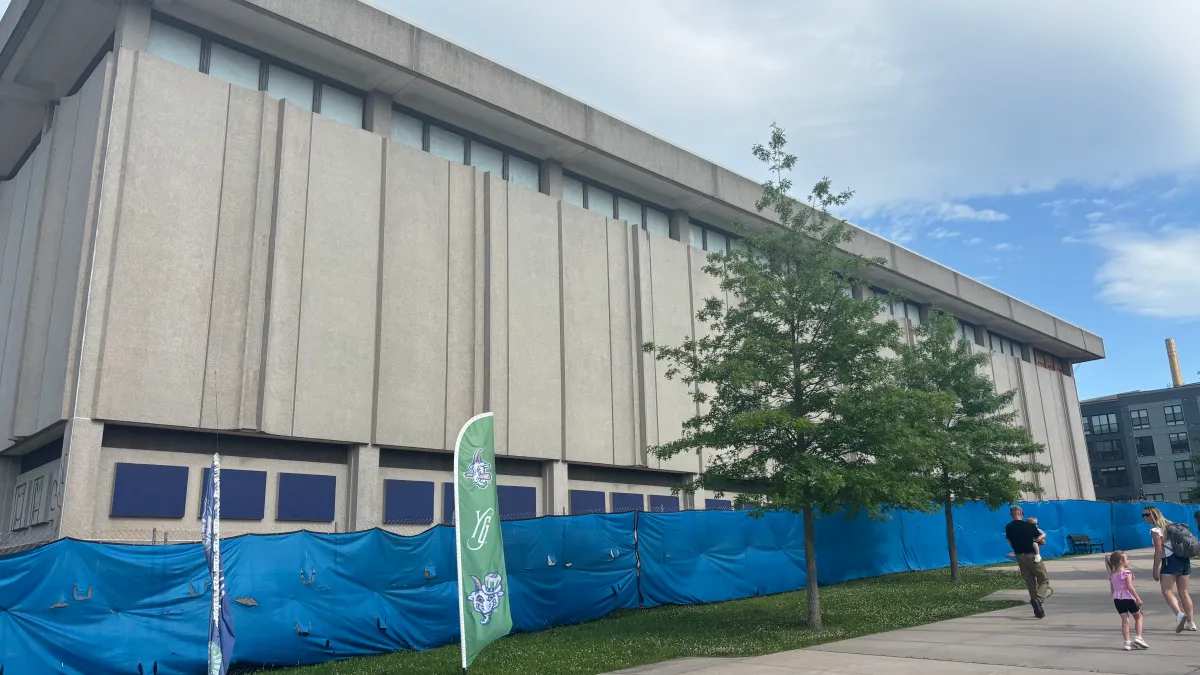
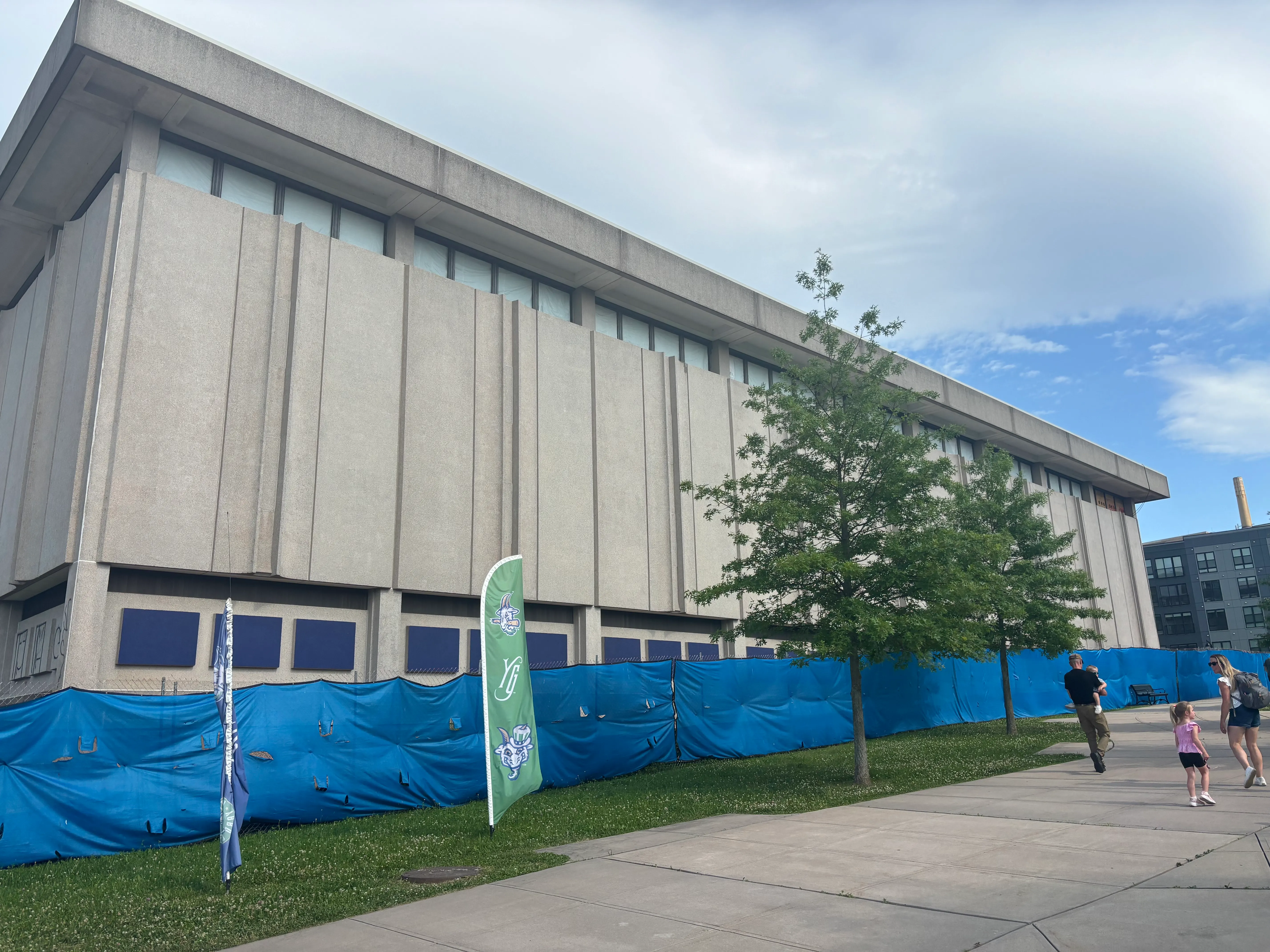
Arulampalam said his vision for an old bank data center that closed years ago could help the city get ahead using AI. The idea is a workforce-training and applied-technology campus, according to plans for the Windsor Street site across from Dunkin’ Park.
“This innovation campus is going to have a safety lab built in to ensure that any technology that comes out is tested for ethical considerations, tested for implicit bias, for vulnerabilities, those things that we should be scared about when it comes to AI,” he explained.
Think classrooms, hands-on technical training, and workshops open to the public.
Despite misinformation being spread online, the mayor said this will not be an AI data center. An AI data facility would require hundreds of acres and a massive amount of electricity.
“This is not a place that is filled with servers and wires,” he said. “This is a place that’s going to be open to campuses and areas of learning and collaboration, where large companies and startups and colleges and universities and government come together and innovate using young people coming out of the city of Hartford to do that work.”
The city applied for funds to turn the vacant building into a campus under the Innovation Cluster Program within the Department of Economic and Community Development.
Arulampalam said an answer should be coming in a few weeks, and then the city wants to hear from neighbors.
“We want to put our residents first, and we want to make sure that they’re in control of their future as AI takes a bigger role,” he said.





From breaking news and local politics to art exhibitions, live music, high school sports, small businesses, and cultural events, we celebrate the people and places that make Connecticut unique.