
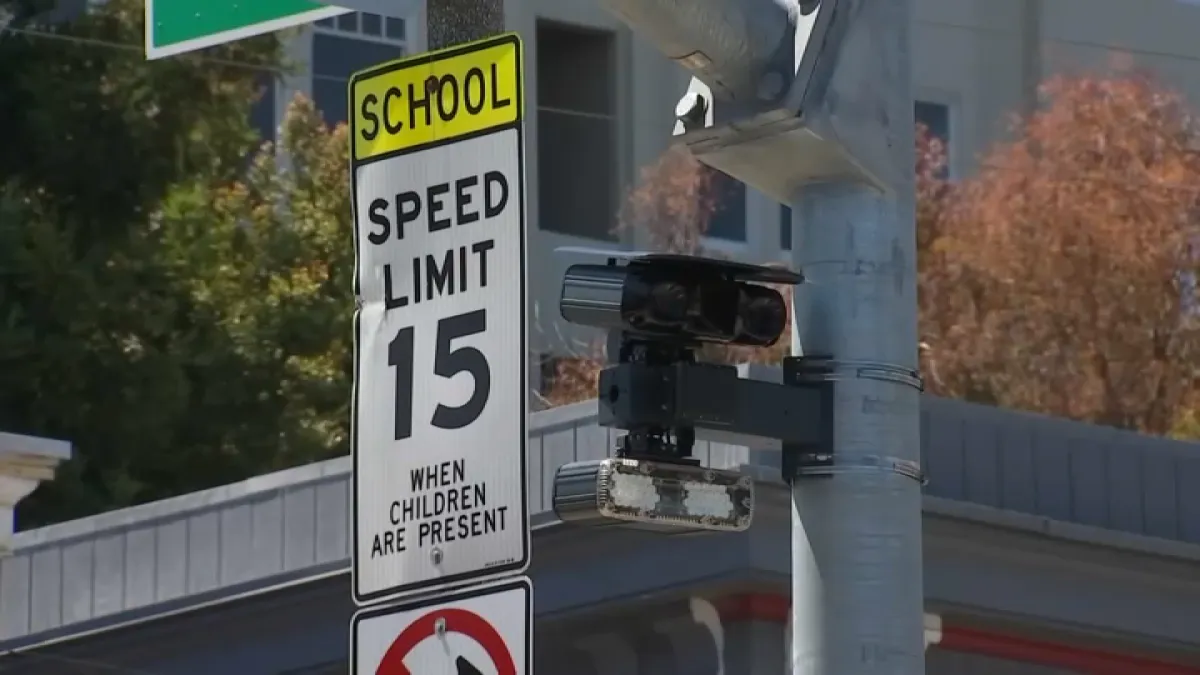
Law enforcement-related technology continues to expand, but what do these cameras do?
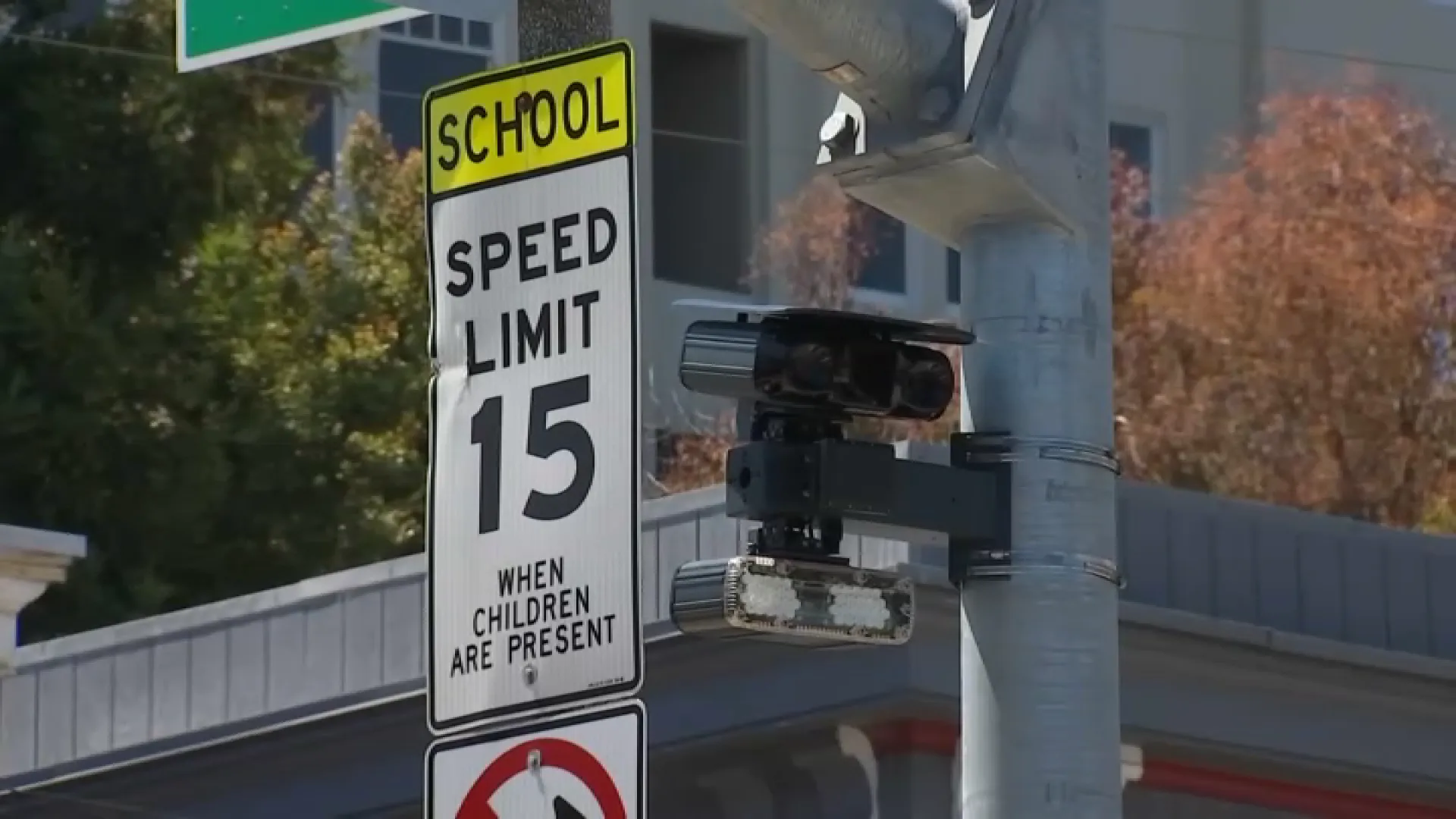
Camera technology used by law enforcement is expanding across Connecticut, appearing on city streets, in work zones, and even in retail parking lots.
In Middletown, officials are considering adding red light cameras on Washington Street and a fourth speed camera on South Main Street. The city has long been a focal point for traffic enforcement camera technology in the state, mostly because it has been open about discussing the tech’s impact on traffic in the city.
But Middletown is far from alone. Police departments and state agencies across Connecticut are increasingly using speed cameras and automatic license plate readers, while critics continue raising concerns about privacy and government overreach.
“This is quite normal, oftentimes once technology is acquired and seems to be successful anecdotally, we do see rapid expansion,” Kimberly Przeszlowski of Quinnipiac University said.
Speed cameras
One of Middletown’s main speed cameras is located on Washington Street near the city line, where the speed limit is 35 miles per hour. Under Connecticut law, drivers are given a 10-mph grace range before citations are issued.
The first violation carries a $50 fine, while subsequent violations carry a $75 fine. State law also requires a one-month warning period before citations are issued when a new camera is installed.
“With cameras, with advancement in technology, I think transparency and accountability in those are at the forefront, and I think that puts the public at ease,” Przeszlowski said.
Drivers will soon see similar technology in highway work zones across Connecticut.
The state’s work zone speed camera program officially launches June 1. It was previously in a pilot period in certain locations in the state. Warnings will be issued during the first month, with citations beginning July 6.
Under the program, first offenses typically result in a warning, while subsequent offenses carry a $75 fine. Drivers caught traveling more than 85 mph, though, will receive a $75 citation, even for a first offense.
“They are only meant to detect license plates and not necessarily the drivers, and so the main difference they are not for investigative purposes,” Przeszlowski said.
Automatic license plate readers
Automatic license plate readers, commonly known as ALPRs, are also being used by police departments across the state, primarily for investigative purposes.
Southington police operate several license plate readers that are used for investigations ranging from stolen vehicles and retail crime to locating missing people. Privacy settings for the systems vary by agency.
The ACLU of Connecticut has called for license plate readers to be shut down until stronger data restrictions are implemented.
“Overall, I think we are in a good place ensuring we are in a good place compared to other municipalities outside the state that are not,” Przeszlowski said, believing Connecticut’s policies outpace other states that are jumping on the tech.
But even retailers are starting to use the technology in a private capacity.
Some Connecticut lawmakers recently sent a letter to Home Depot and Lowe’s requesting more information about the companies’ use of license plate readers in parking lots and their data sharing.
The retailers said the technology is intended to combat theft and that collected data is kept internally and only shared with police following a crime.







From breaking news and local politics to art exhibitions, live music, high school sports, small businesses, and cultural events, we celebrate the people and places that make Connecticut unique.