We tested silver coins bought on eBay, and they were all fake
Six coin collectors from across our state told NBC Connecticut Responds they have seen counterfeits popping up on eBay, potentially leaving unsuspecting buyers scammed out of hundreds of dollars. They asked the Responds team to investigate, and the problem was easy to find.
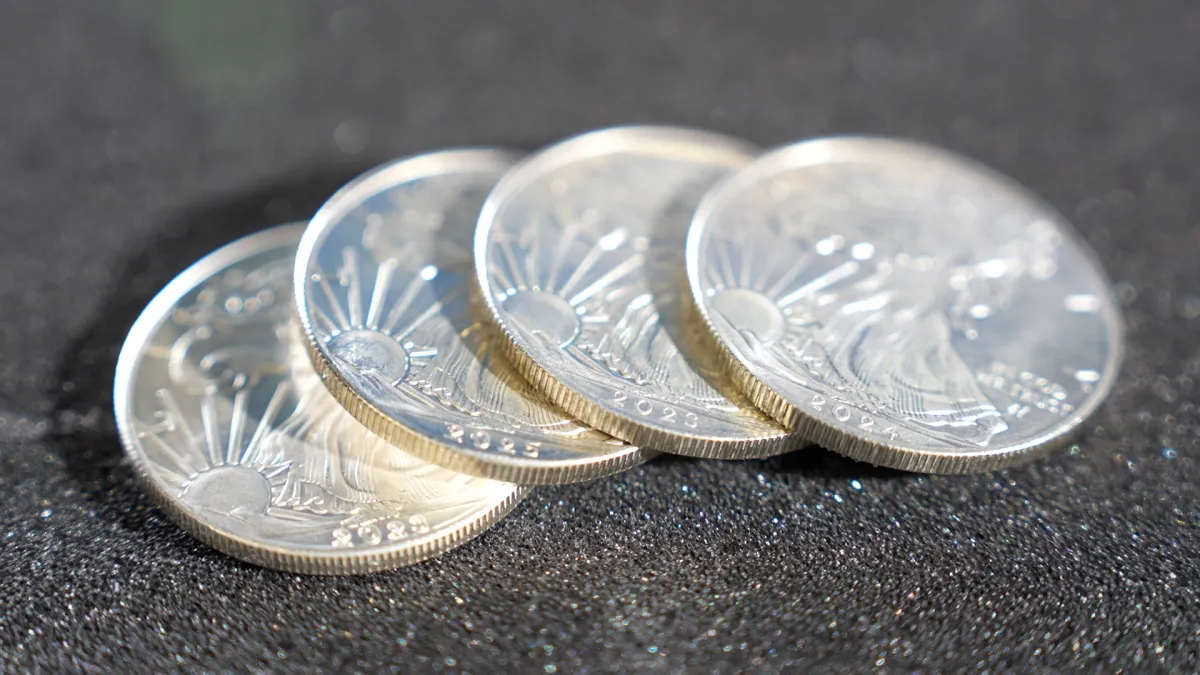
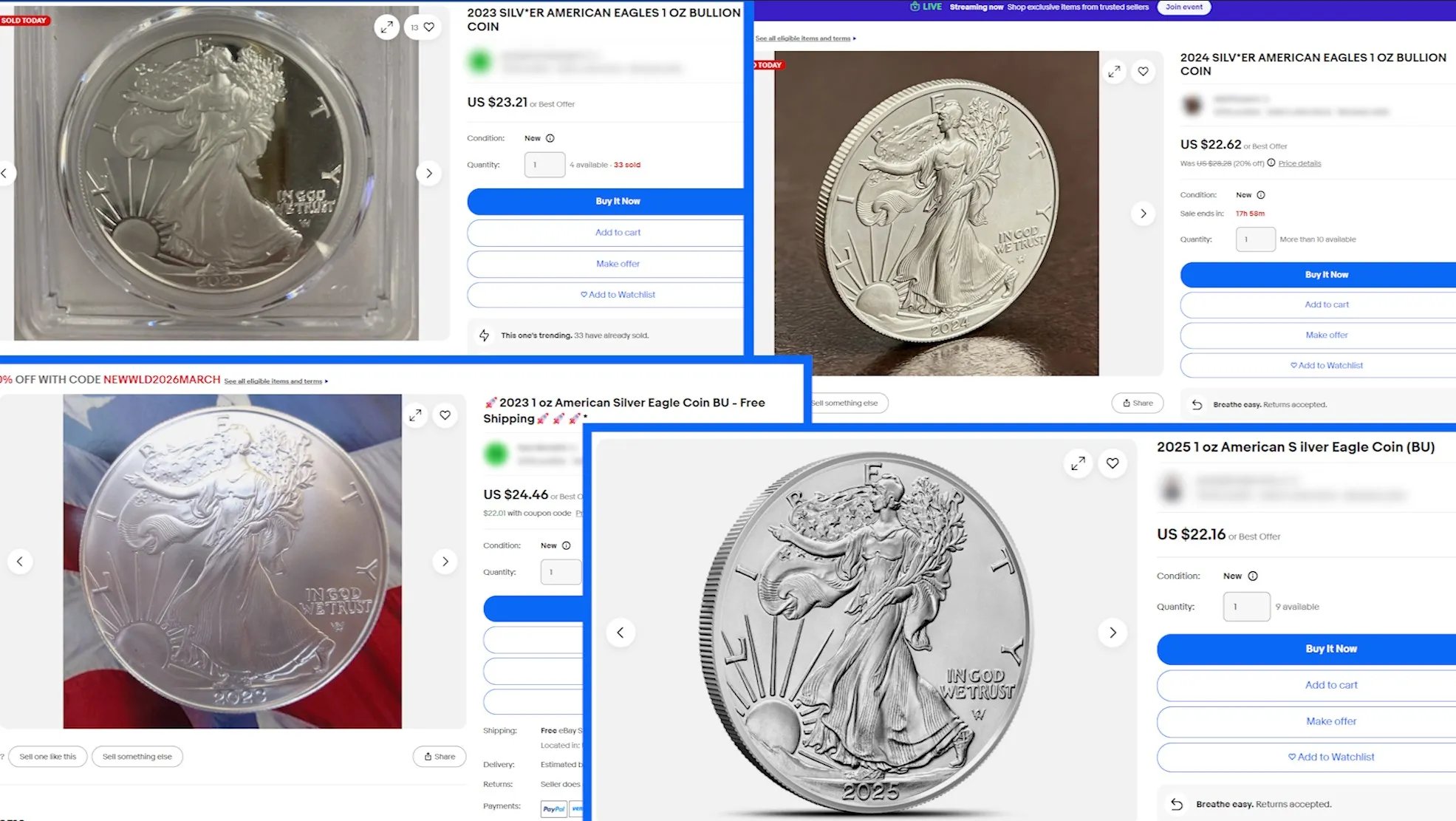
Our team identified four eBay listings described as 1oz bullion Silver Eagle coins. Everything about the listings seemed like the seller was offering a legitimate, pure silver coin, except for the price, which was around $25 and significantly below the market rate. Real Silver Eagles currently sell for around $90, according to coin experts.
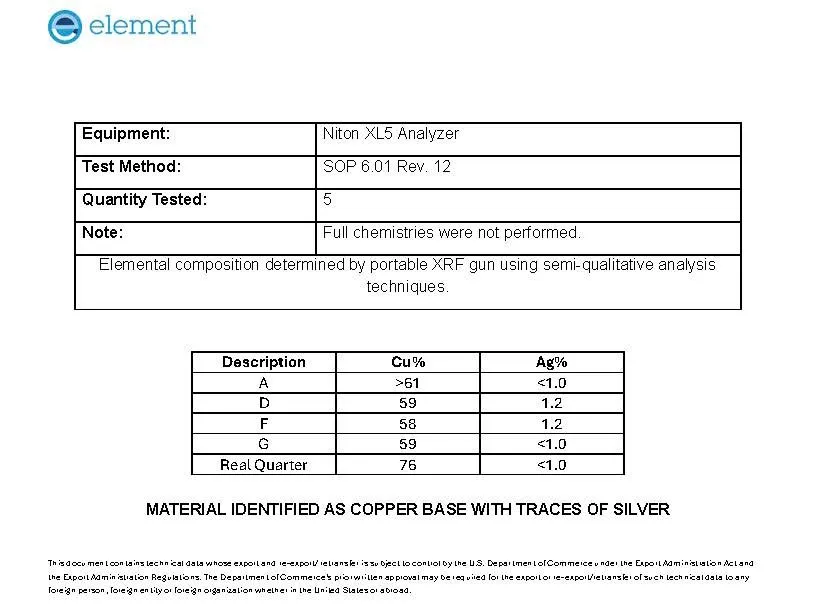
We purchased the coins and brought them to Element, an international materials testing company in Enfield. Business Operations Manager Katie Legowski used an X-ray fluorescence device to determine each coin’s purity.
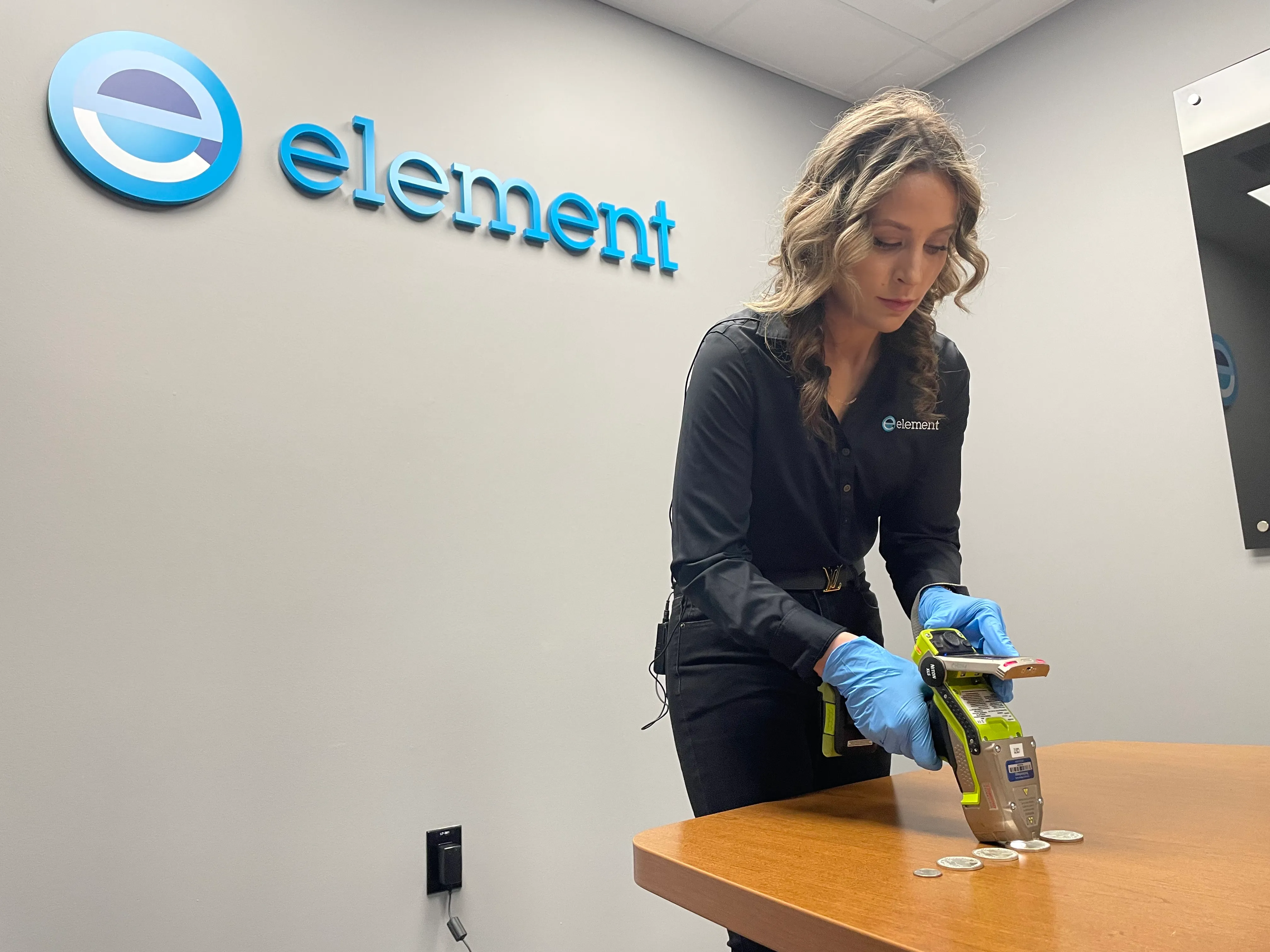
The results showed that all four coins we purchased from sellers on the eBay marketplace were not pure silver. They were composed of copper with just traces of silver.
“It has a technical scrap value, if it is, you know, if it’s copper. But other than that… no collective value, no silver value,” said Dane Bowman, owner of Brookfield Coin, after we asked him to appraise our coins.
“50 cents maybe,” Bowman added.
Bowman said he can see that the coins have defects revealing their lack of authenticity, but to the average buyer, they would look real.
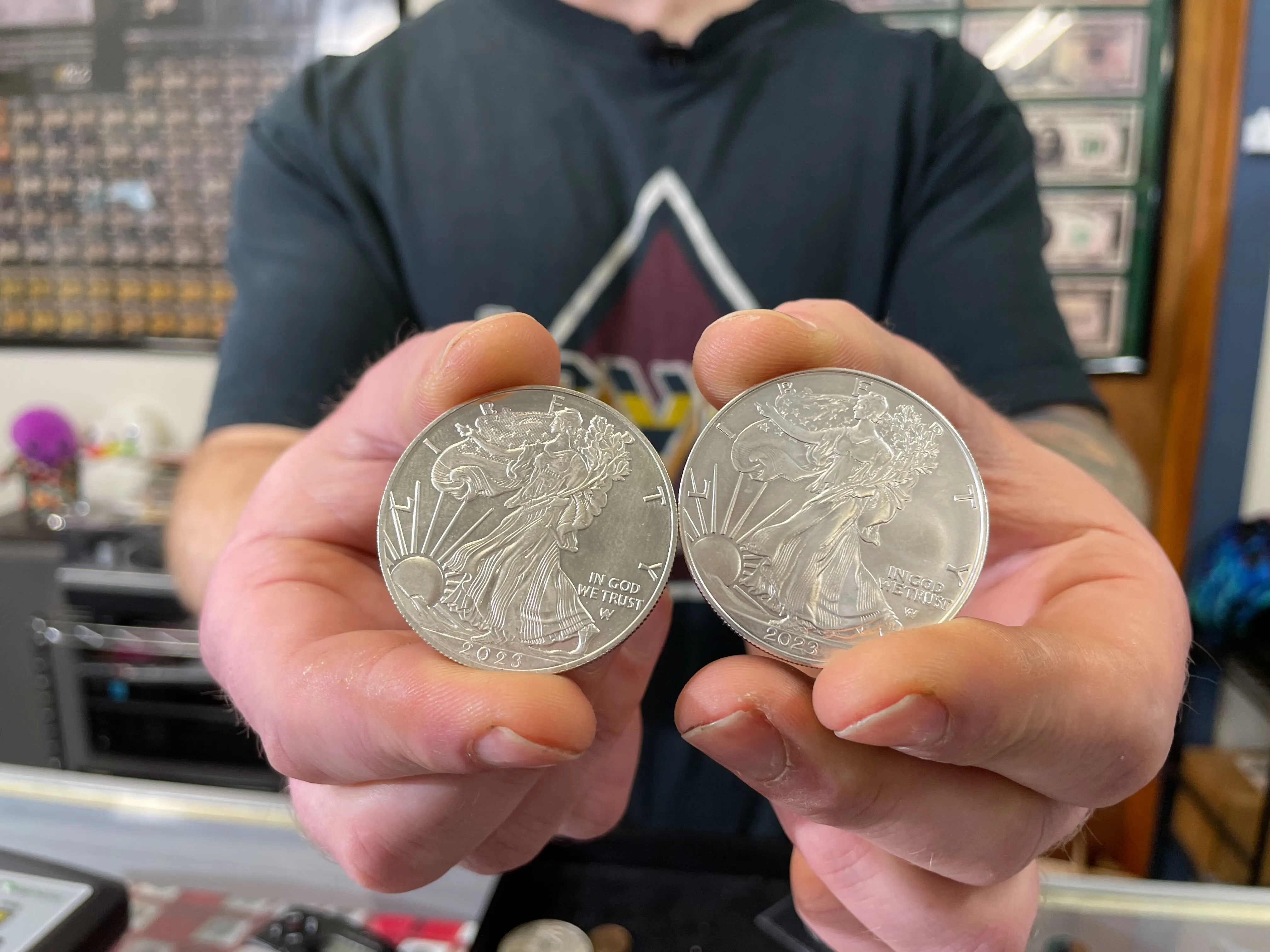
He and collector Nick Antonelli have seen their fair share of fakes over the years. Antonelli, the president of the Danbury Coin Club, said he has seen some club members fall for questionable coin listings on eBay.
“Someone who bought an actual roll of Silver Eagles, 20 of them, and they were half the price it should have been. And sure enough, they were all fake,” he said.
With the market value of silver more than doubling since May 2025, Antonelli said bad actors are taking advantage.
“Maybe years ago, [it] wasn’t worth it to counterfeit a common silver coin,” he said. “But nowadays, with silver over $70 an ounce, it pays off for some people that are not too honest.”
“I burst bubbles every day,” Bowman said, referring to how he often is asked to appraise coins and then must give the bad news.
“Usually, I hear the same thing. ‘Well, I thought it was too good to be true’,” he said.
When asked where the coins come from, Bowman said, “Often it’s eBay.”
NBC Connecticut Responds asked eBay about the concerns of coin experts and our test results.
eBay wrote:
eBay has zero tolerance for the sale of counterfeit items, which are strictly prohibited on the marketplace. Following an internal review, the sellers in question were immediately suspended and all listings were removed. We actively work to protect our site and prevent counterfeit listings through block filters, AI-supported monitoring by our team of in-house specialists, and external experts and partners. eBay has robust systems in place to keep bad actors off our site and promptly removes listings that violate our policies.
eBay spokesperson
While the specific listings we purchased from were removed, others remained active on the site.
The Responds team browsed eBay and still found several other listings described like our test coins and priced well below the market rate.
“It’s taking the fun out of it. So, I don’t advertise, I don’t sell on eBay anymore. I haven’t bought on eBay for a long time,” Antonelli said.
Bowman said fake listings have tarnished the collecting experience.
“It hurts people financially. It hurts their collecting spirit. It hurts the hobby,” he said.
If you’re in the market for silver, buy from a reputable source like the US Mint. Bowman says precious metals never get deeply discounted, so a deal that sounds too good to be true probably is.
You can report suspicious listings on eBay by clicking the question mark in the lower right corner of the screen.
If you purchase from eBay, its return policy covers items that don’t match the description.





From breaking news and local politics to art exhibitions, live music, high school sports, small businesses, and cultural events, we celebrate the people and places that make Connecticut unique.