
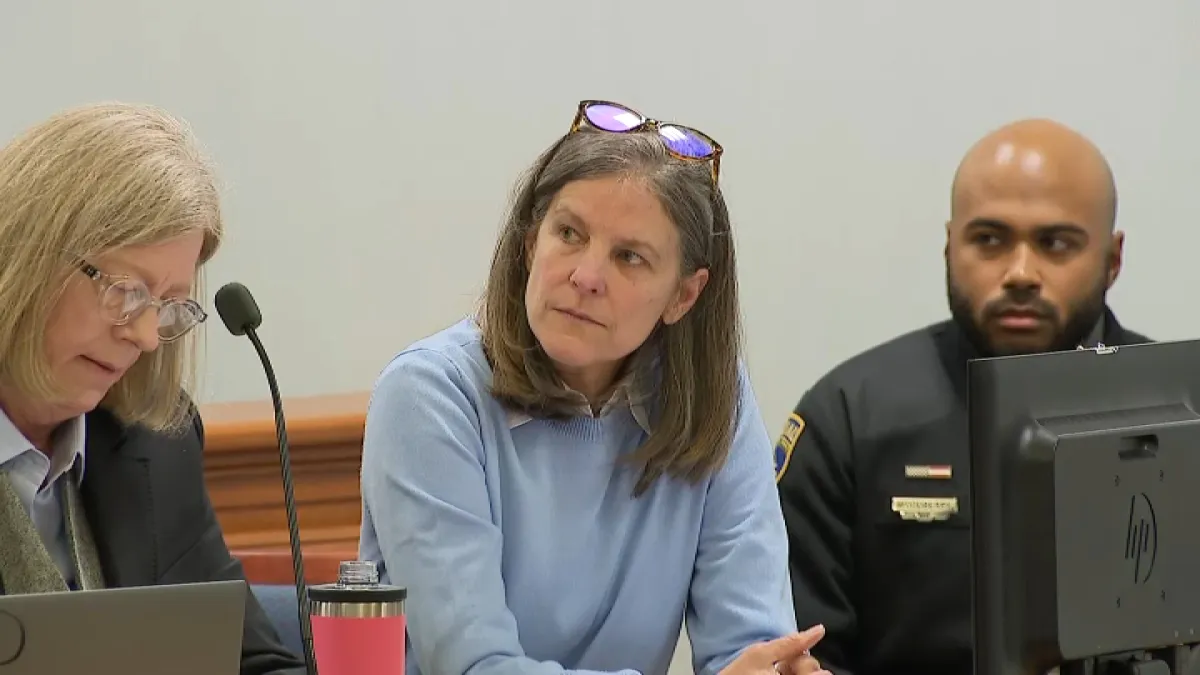
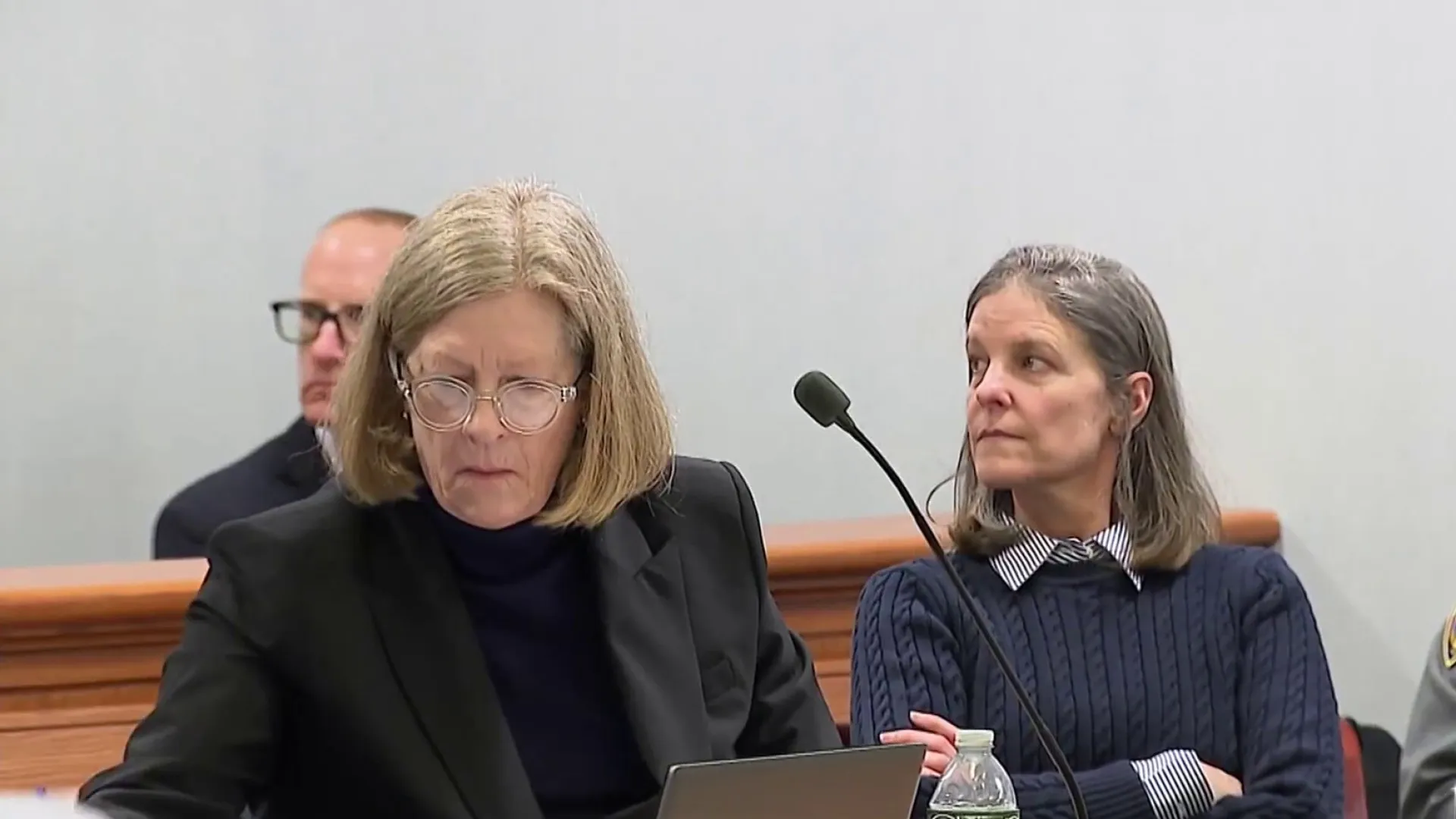
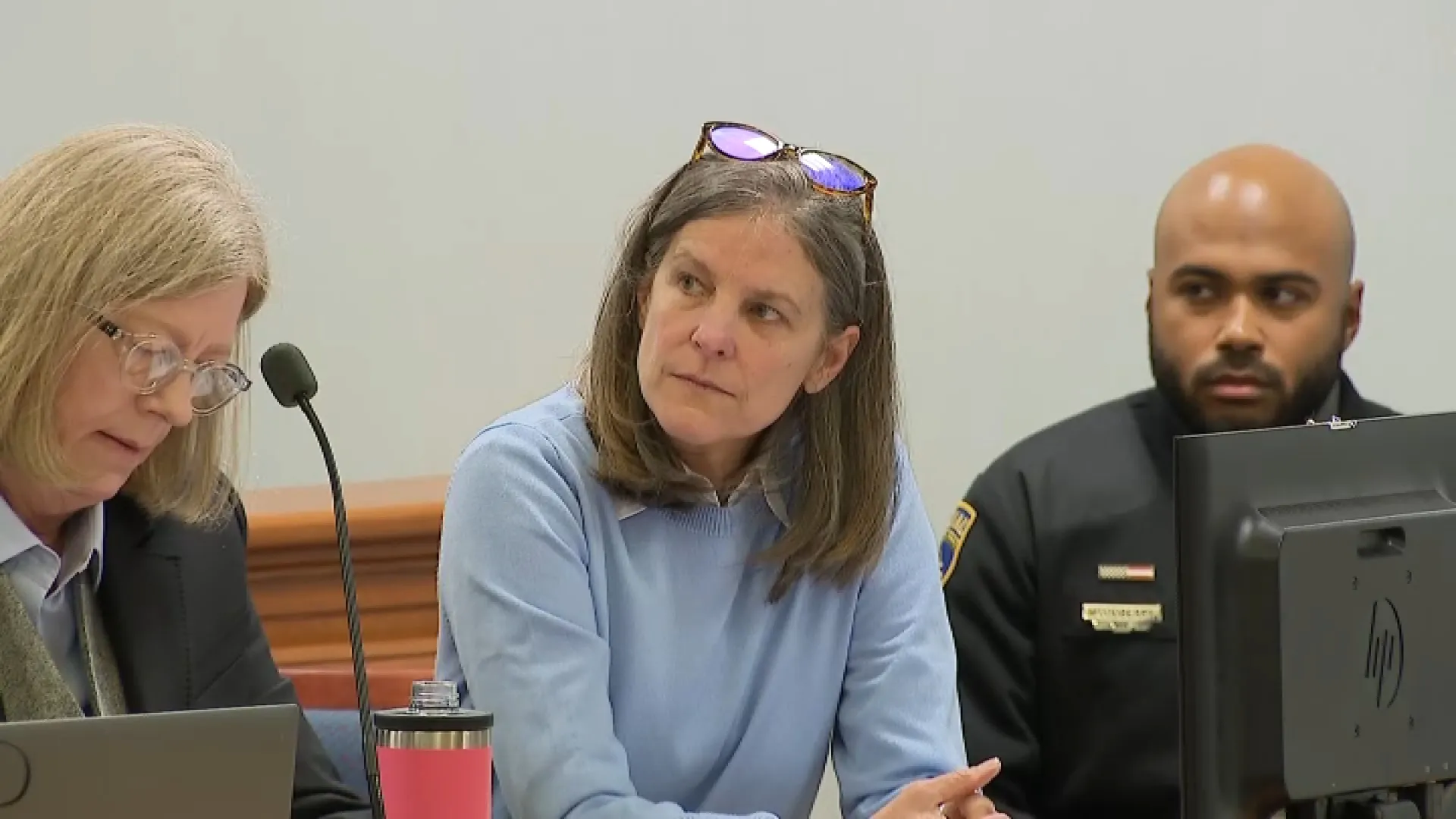
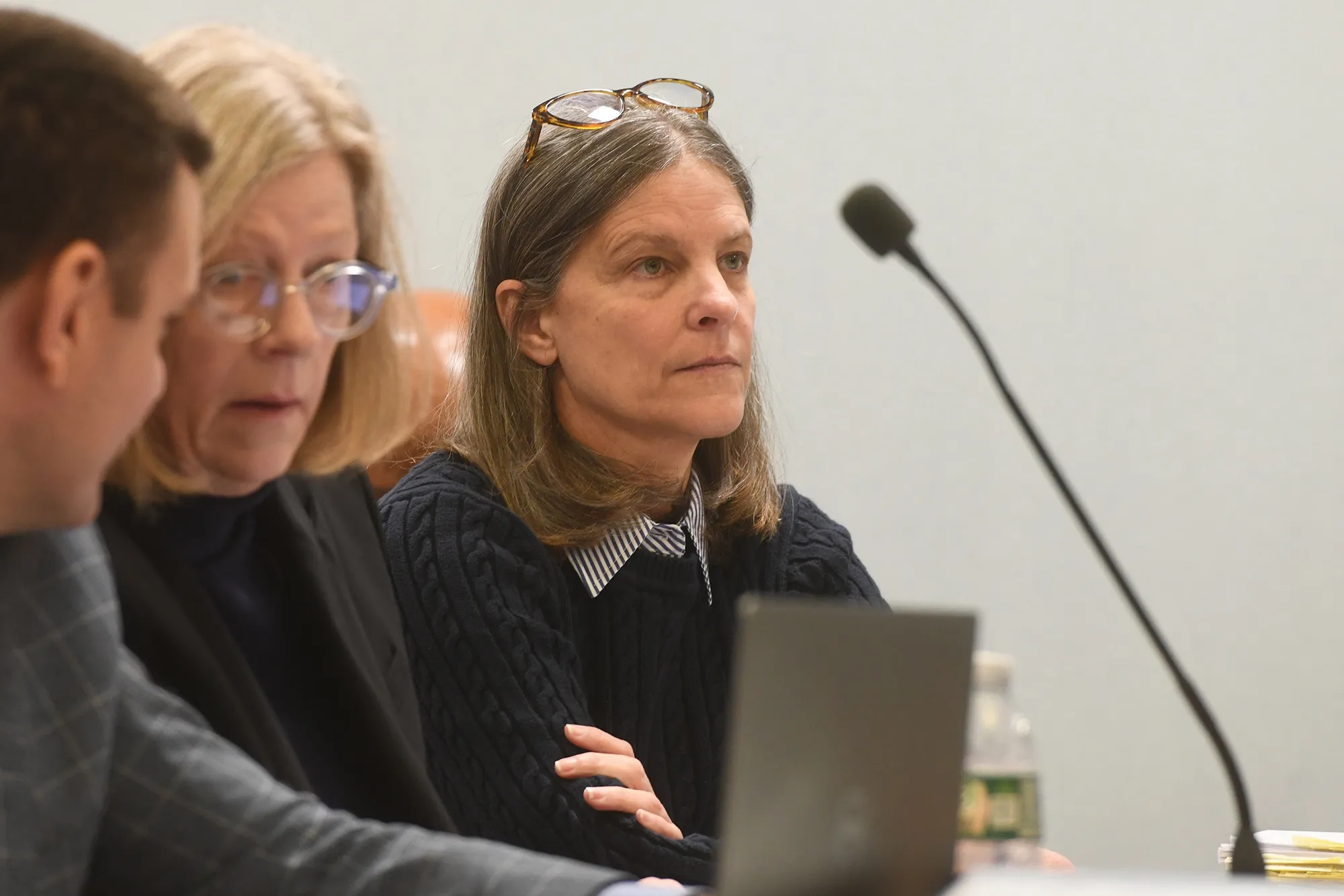
Michelle Troconis habeas appeal denied by judge
Michelle Troconis’s habeas corpus appeal has been denied by a court judge.
The decision, announced Monday, came months after the habeas trial came to an end in January.
The habeas petition centers on a claim of ineffective counsel dating back to 2019, when she was first arrested, and continuing through her trial in 2024. The habeas trial was a three-day bid for freedom and the potential of a new trial in Rockville Superior Court in Vernon.
The petition centers around attorney Andrew Bowman’s counsel of Troconis, before and after her first arrest in June of 2019.
She was charged with evidence tampering and hindering prosecution stemming from an incident along Albany Avenue in Hartford, where her then-boyfriend, Fotis Dulos, was caught on camera disposing of what was later identified as evidence in the murder of Jennifer. Troconis was in the truck with him.
Troconis was charged again with evidence tampering and hindering prosecution stemming from an incident at Russel Speeders’ car wash in Avon. And she was then charged with conspiracy to commit murder.
Andy Bowman represented Troconis for the few months leading up to the charges being filed. He, along with the state’s attorney for the Stamford-Norwalk judicial district, Richard Colangelo, and an expert witness, Attorney Michael Fitzpatrick, took the stand in the habeas trial.
Troconis’s attorneys in this case were weaving together an argument that Bowman didn’t meet the standard of care for an attorney, relying too heavily on history with Colangelo, and endangering Troconis by allowing her to speak with police multiple times, expecting a cooperation deal that never came.
The state responded only in cross-examination of the witnesses, offering an alternative perspective that Bowman was not only competent but also actively advocating for Troconis as a viable option for a cooperation deal to testify in the case against Fotis Dulos.
In the court’s decision on Monday, Judge Carl Schuman said that Bowman’s advice to Troconis “fell within the wide range of reasonable professional assistance.”
“Because he was competently acting as her advocate at all times, the petitioner has not proven ineffective assistance of counsel,” Schuman concluded.






From breaking news and local politics to art exhibitions, live music, high school sports, small businesses, and cultural events, we celebrate the people and places that make Connecticut unique.