
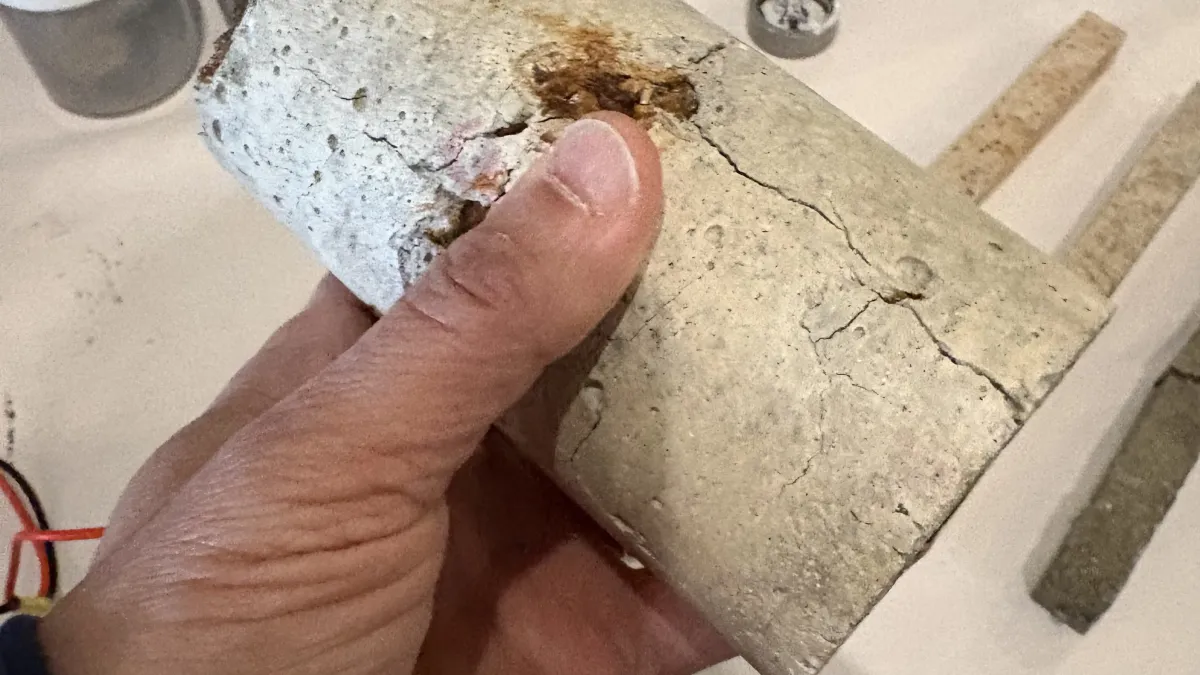
Global experts look to Connecticut as crumbling foundations crisis spreads
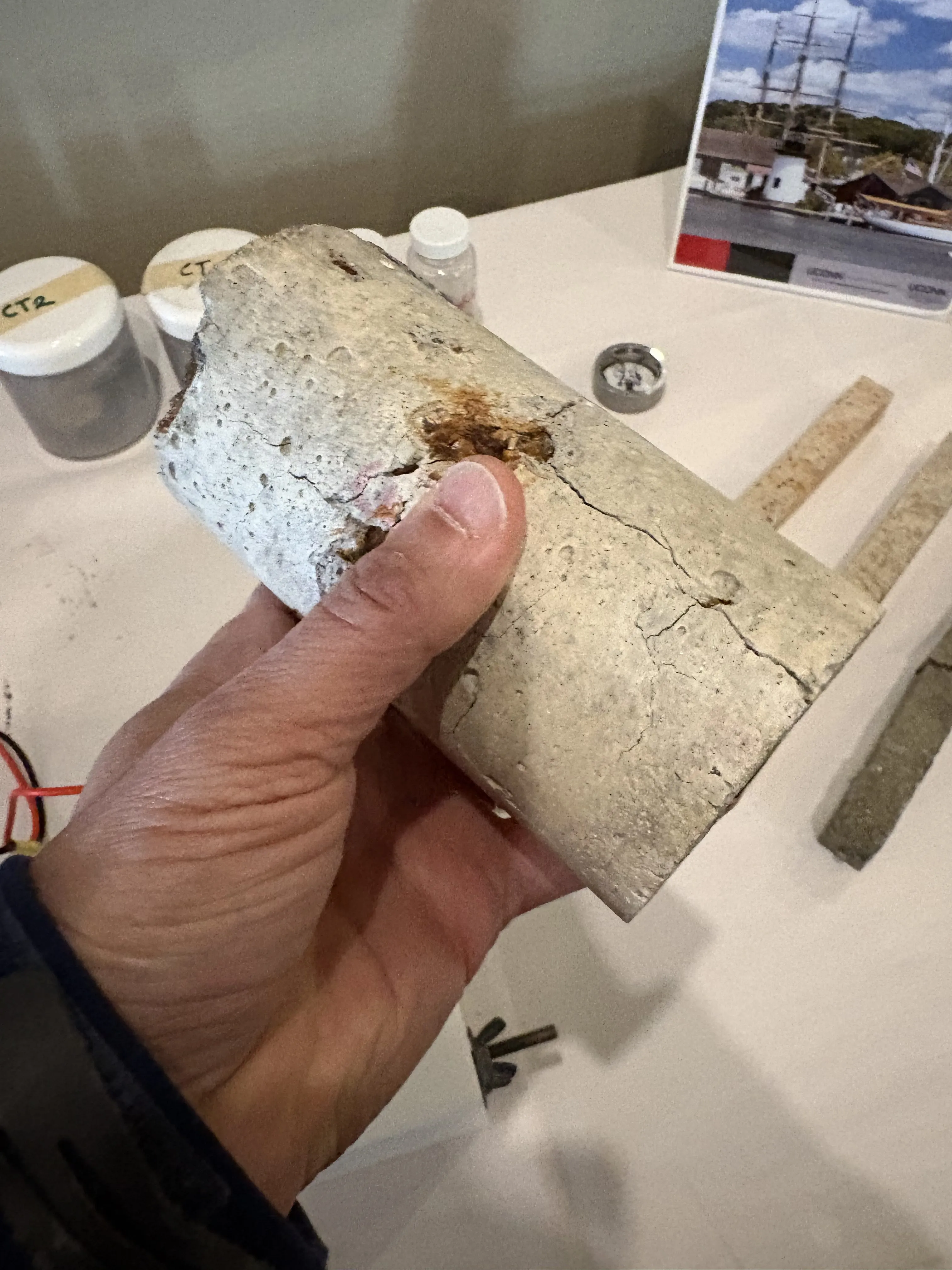
This week in Mystic, researchers, engineers, and advocates from multiple countries gathered at a UConn conference to compare findings on crumbling concrete foundations and basements and study how Connecticut responded when homeowners here began discovering severe structural damage.
Though the problem was identified elsewhere first, it gained new prominence in Connecticut as a hidden threat beneath homes and has increased international awareness.
UConn professor Kay Wille said the conference drew participants from Ireland, Switzerland, Canada, the United States, Norway, and England.
James Mahoney of UConn said the significance was clear.
“It’s huge because we’ve brought in experts from all around the world, and they all realize the importance of this,” he said.
Experts say the damage is tied to pyrrhotite and related minerals in the aggregate used to make concrete.
Over time, those minerals can trigger reactions that cause foundations to expand, crack, and, in severe cases, break down altogether.
In Connecticut, the crisis burst into public view 11 years ago when NBC Connecticut Investigates exposed crumbling foundations across the state.
Since then, Connecticut has built a remediation program to help homeowners replace failing foundations — repairs that can exceed $200,000 and leave families under enormous financial strain.
Mahoney said that cost is exactly why other regions are studying Connecticut’s approach.
Neighboring Massachusetts, for example, has hundreds of people reporting the same crumbling concrete problem, but the state lacks a program to help homeowners.
Debbie MacCoy of Vernon, whose son and daughter both had crumbling concrete basements, has advocated for years for homeowners.
She said more than half of the Connecticut homeowners who applied for help have already seen their homes get repaired, and that the state has completed remediation on 1,296 homes over the last six years.
“Connecticut really led the way,” she said.
Researchers say detection of the defective concrete has improved significantly, but a major question remains of whether any level of those minerals can be considered safe.
For families already living with the damage, and for the experts now tracking it worldwide, the stakes have continued to rise.







From breaking news and local politics to art exhibitions, live music, high school sports, small businesses, and cultural events, we celebrate the people and places that make Connecticut unique.