

Waterbury food pantry demand triples as inflation, SNAP eligibility changes strain family budgets
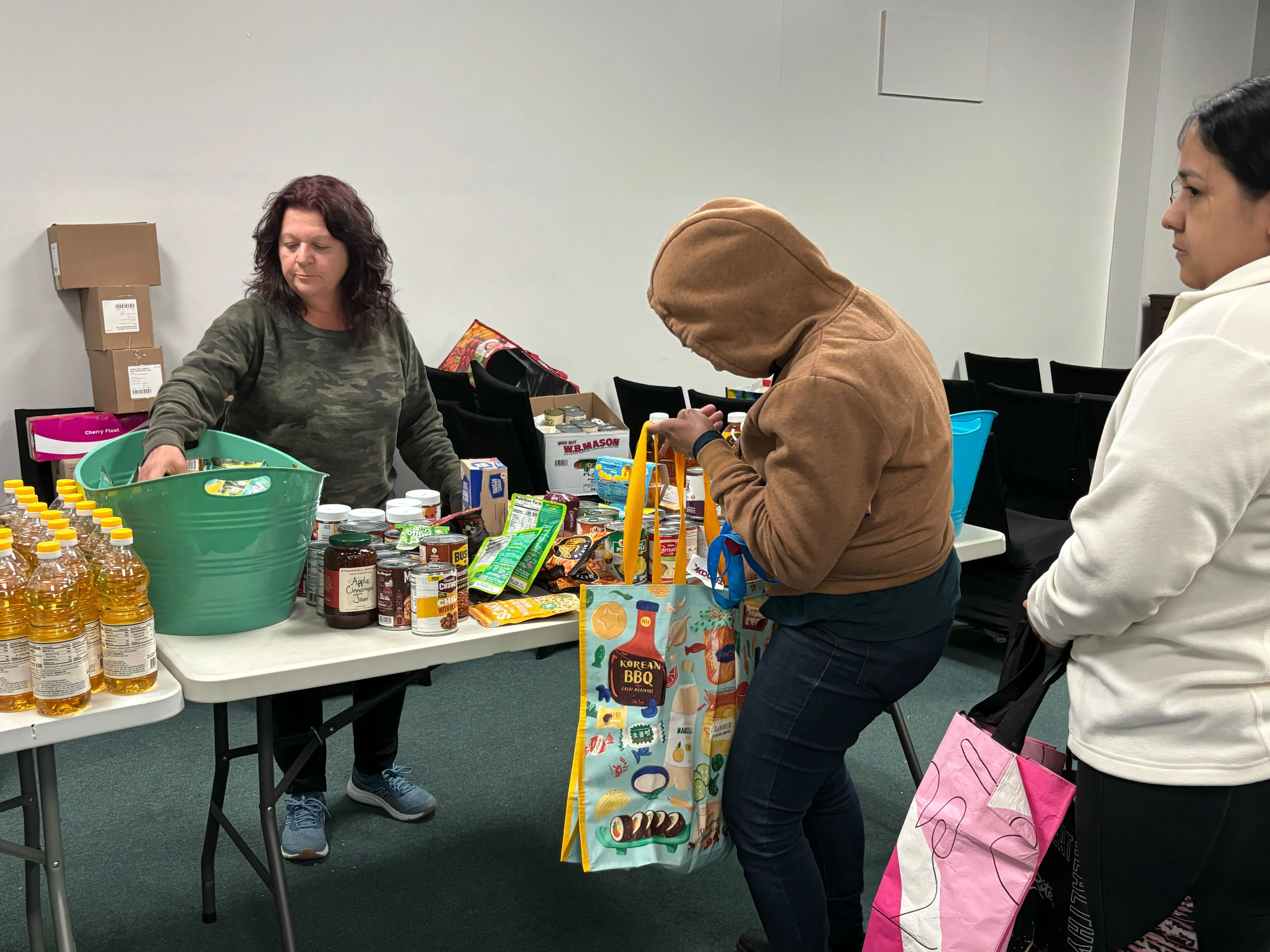
In Connecticut, rising gas and grocery prices, along with a drop in SNAP enrollment, are driving more families to rely on food pantries, with one pantry in Waterbury seeing demand nearly triple in recent months.
At Restoring Strength in Communities Outreach Ministry in Waterbury, more people are turning to the pantry to help make ends meet as inflation continues to strain household budgets.
Daisy Arce, a Waterbury resident, said the assistance she receives from food stamps is not enough to cover all her needs, prompting her to visit the pantry every two weeks.
“Collecting food from these food pantries… it does help a lot of families,” Arce said.
Arce said she is mindful to take only what she needs.
Food pantry coordinator Rukiya Borges said the number of families served has grown significantly over the past few months, from about 50 families to nearly triple that number.
“You’re paying more for gas, you’re paying more for groceries, so there’s a need, there’s a gap,” Borges explained.
According to the Bureau of Labor Statistics, food prices have increased about 3.2% over the past 12 months. Even small increases can add up like a sandwich that cost $5.80 last year now costs about $6.00.
Arce said rising costs have forced families to make difficult choices.
“That’s why we can’t travel to too many places because of the gas, and we got to take what they give us and appreciate that we’re getting it,” Arce said.
At the same time, fewer people are enrolled in the Supplemental Nutrition Assistance Program, or SNAP, due to policy changes. In Connecticut, enrollment has dropped by about 39,000 people, according to Connecticut Foodshare.
Advocates note the difference in scale: for every one meal a food bank provides, SNAP can provide nine.
“This comes as the need for food assistance remains high across Connecticut Foodshare’s network. SNAP is the most effective line of defense against hunger,” Jason Jakubowski, president and CEO of Connecticut Foodshare, said. “With fewer people able to access SNAP benefits, more families are turning to Connecticut Foodshare’s services and partner programs.”
Borges said she is seeing the impact of those changes firsthand as more people seek help. For many families, food pantries are no longer a backup plan; they are a necessity.
Borges emphasized the importance of community support as demand continues to grow.
“Everyone at any time can be in need, and we’re a community, right?” she said.







From breaking news and local politics to art exhibitions, live music, high school sports, small businesses, and cultural events, we celebrate the people and places that make Connecticut unique.