
U.S. monitoring hantavirus cruise passengers; dozens left ship after 1st death
The United States was among the countries on Thursday urgently tracking dozens of passengers who traveled on the cruise ship at the center of a deadly hantavirus outbreak.
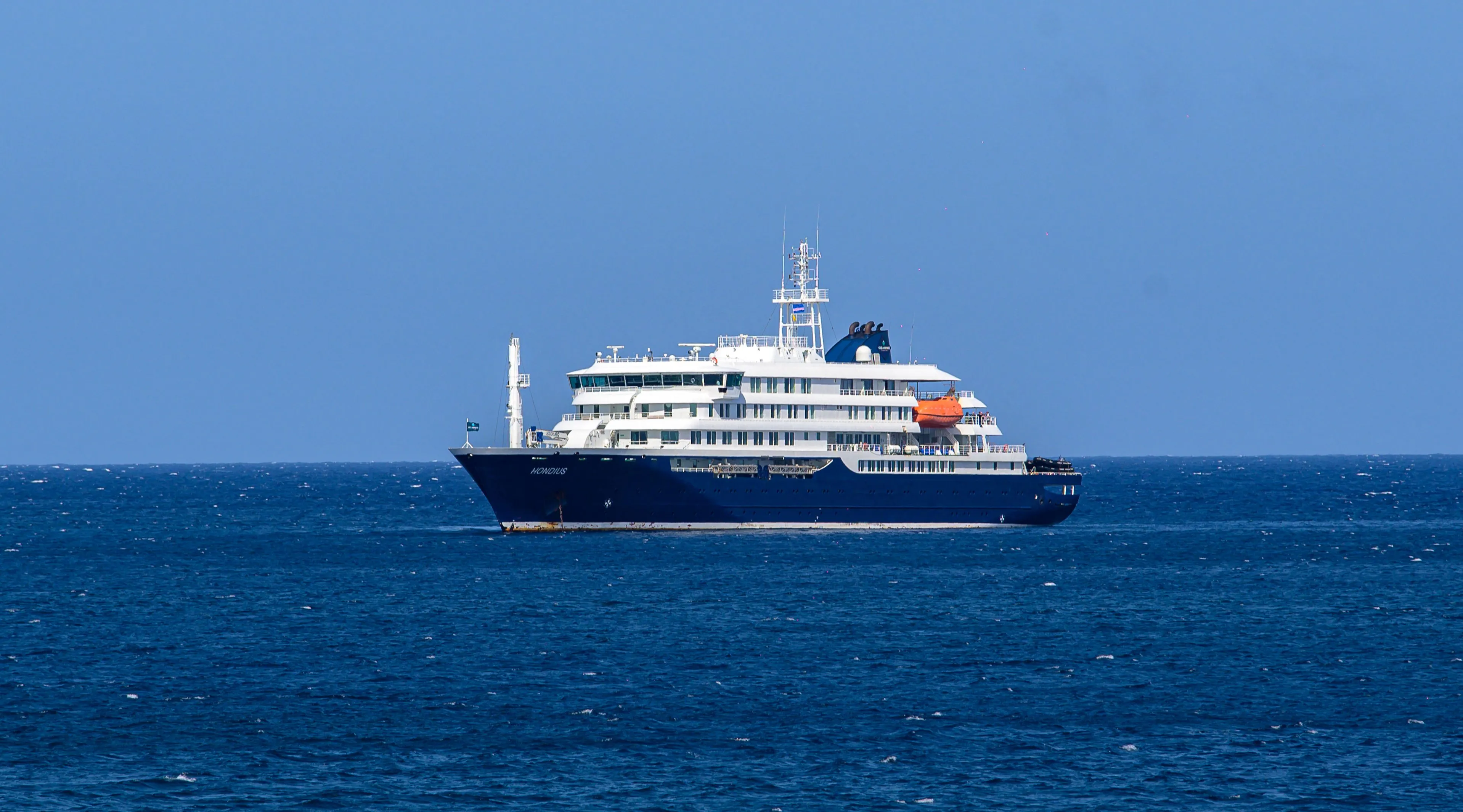
The luxury cruise has fueled a growing international infectious disease response, after an outbreak believed to have started following a birdwatching expedition led to the deaths of three people. There have been five confirmed cases and three suspected infections, the World Health Organization said Thursday.
Another possible new case emerged Thursday, apparently involving a woman who was not a passenger on the ship.
Weeks after the first death on board, 29 living passengers left the ship without contact tracing in St. Helena, a tiny and remote island in the middle of the Atlantic Ocean, cruise operator Oceanwide Expeditions said in a statement Thursday. The body of a Dutchman who died at sea was also left on the boat at this stage.
The company said it was “working to establish” the whereabouts of all those who disembarked on April 24 in St. Helena and had contacted each of them. It said the number included six Americans.
In an update, the company said that on April 1, there were 114 guests aboard the ship following departure from Ushuaia, Argentina. On April 15, six additional guests joined at Tristan da Cunha, located between Ushuaia and St. Helena.
One person who was on board the Hondius is at home in Arizona, another in Virginia, two are in Georgia and an unknown number are back in California, according to authorities in those states. None were reported to have symptoms of the rare virus, with officials saying the risk to the public remains low.
“This is not the start of an epidemic. This is not the start of a pandemic,” WHO’s Maria Van Kerkhove said.
Dr. Carlos del Rio, with Emory University School of Medicine, said people do not need to panic.
“I would start by saying, for the general public, for the average person in the US, this is not a concern,” he said Thursday at an Infectious Disease Society of America briefing.
“I tell people that I was more concerned about getting my car or crossing the street and having an accident than getting hantavirus,” he continued.
The passengers who left the boat include 11 other nationalities, but the home countries of two people are unknown.
It also emerged Thursday that a flight attendant was being tested for hantavirus at a hospital in the Netherlands.
“I can confirm that a stewardess is in hospital now and she is being tested for the virus,” a spokesperson for the Dutch Health Ministry told NBC News. The department did not say whether she was ill or showing symptoms of the virus, which is rare but potentially deadly.
KLM Royal Dutch Airlines said Wednesday that a Dutch woman who died after contracting hantavirus was “briefly” on board a flight from Johannesburg to Amsterdam and was removed from the plane before takeoff.
It is not clear if the flight attendant was on this same flight. KLM said in a statement it does not comment on individual cases “for privacy reasons.”
Tedros Adhanom Ghebreyesus, WHO’s Director General, said at a Thursday news conference that the virus’s incubation period is 6 weeks, which could lead to more cases. The risk to the public, however, remains low.
The WHO and national health officials have said that person-to-person transmission is possible through close personal contact, such as between a couple.
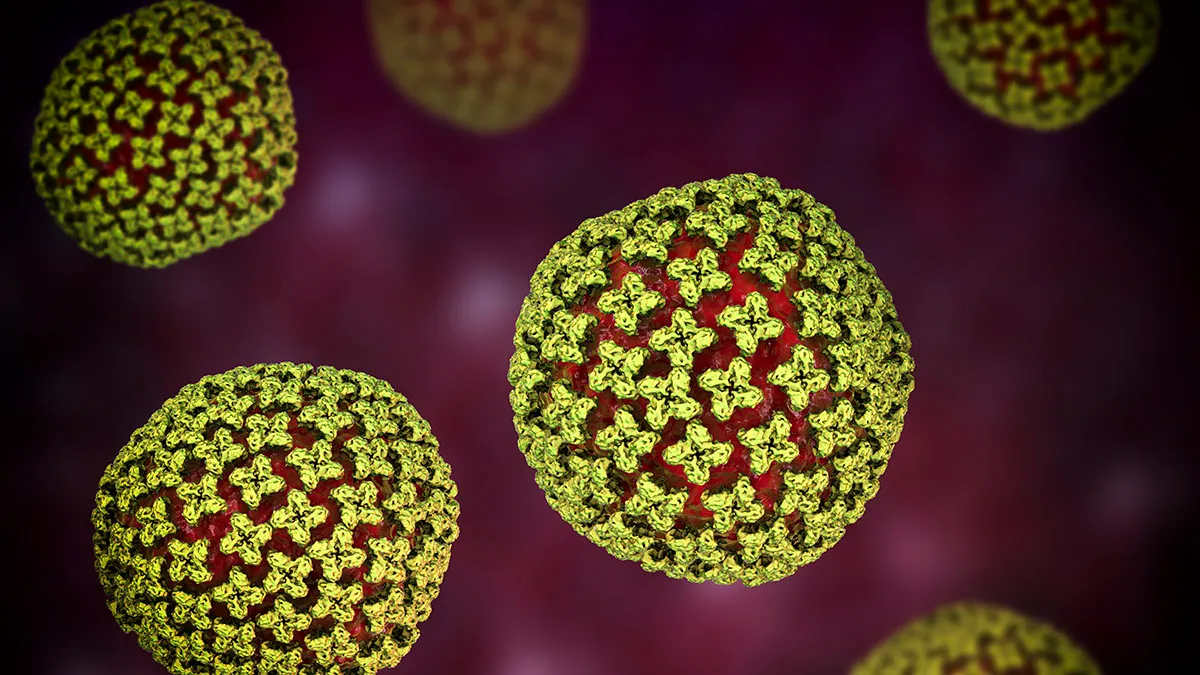
Hantavirus is typically contracted through contact with rodents. The WHO, however, confirmed this week that the outbreak is the Andes strain of the virus, which, unlike other strains, is known to be transmissible between people.
Health experts have said that even this strain is not as easily passed on as airborne diseases such as influenza or Covid-19.
A travel vlogger on board the Hondius told NBC News that passengers were “not well informed” about the situation. He recorded a video of the captain telling passengers that the ship was “not infectious” after announcing the first death.
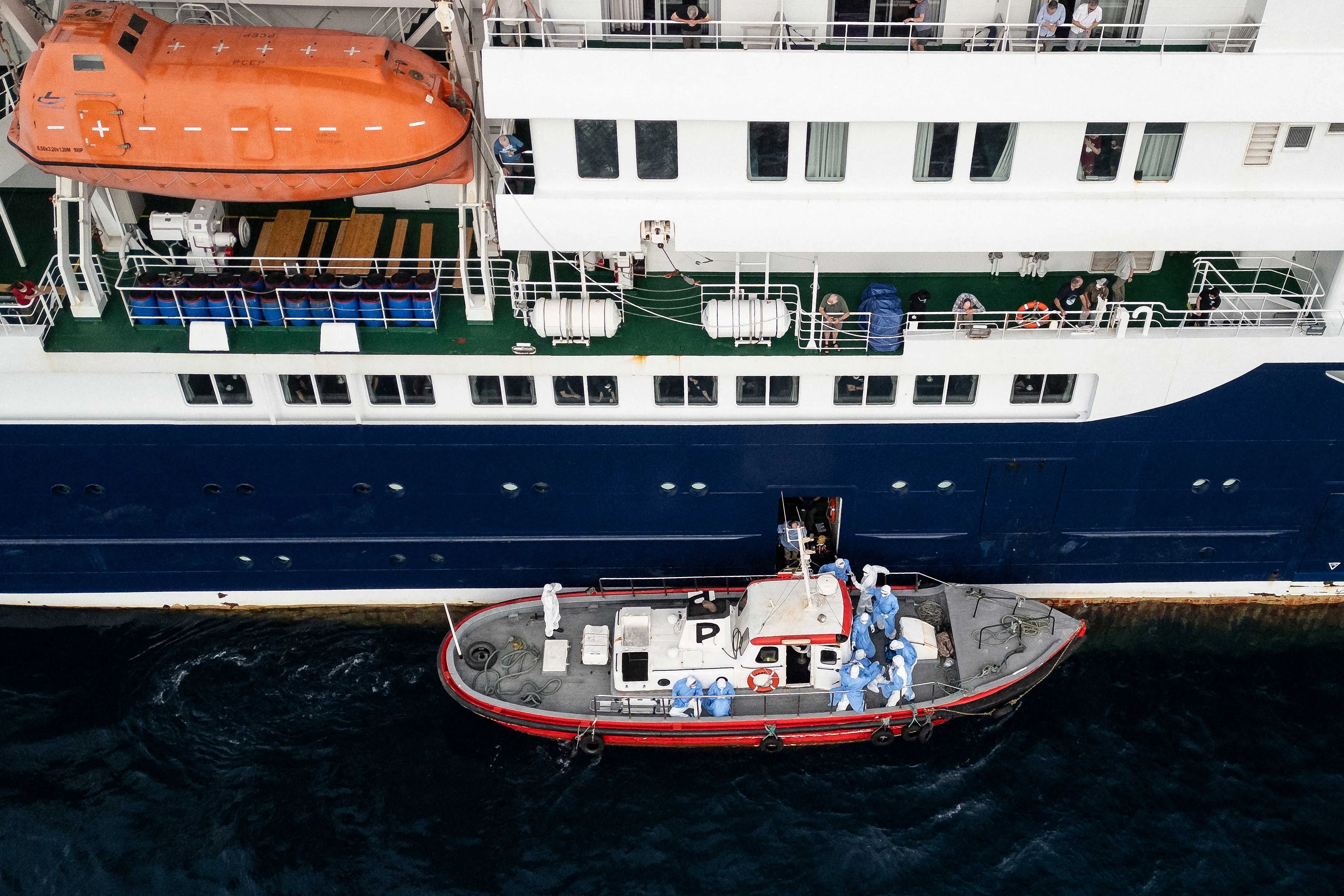
Almost 150 people are still on board the Hondius and are being asked to stay in their cabins, the WHO said. Cabins are being disinfected and anyone who shows symptoms will be isolated.
So far, the people still on the vessel have not shown any symptoms.
The ship is heading north from Cape Verde, off the western coast of Africa, to the Spanish-controlled Canary Islands. The journey is expected to last three to four days, though the leader of the islands’ regional government is reluctant to accept the ship.
Travel blogger Jake Rosmarin, who is on the Hondius, said on his TikTok account that everyone on the ship “is doing well and remains in good spirits.”
Spain’s interior ministry said the ship was expected to arrive there on Sunday and that evacuations would begin Monday, “if all goes well.”
Virginia Barcones, the Secretary General of Civil Protection and Emergencies of the Ministry of the Interior, said at a Thursday news conference that the U.S. will send an aircraft to pick up the 17 American passengers on board the ship.
The CDC said in a statement Wednesday night that both it and the State Department were closely monitoring the status of Americans aboard the ship.
“The Department of State is leading a coordinated, whole-of-government response including direct contact with passengers, diplomatic coordination, and engagement with domestic and international health authorities,” the statement said.
The CDC added that the “risk to the American public is extremely low.”
The three people to have died so far are a Dutch couple and a German national, while a British man is being treated in hospital in South Africa. It emerged Wednesday that a man who had left the ship was being treated in Zurich with suspected hantavirus.
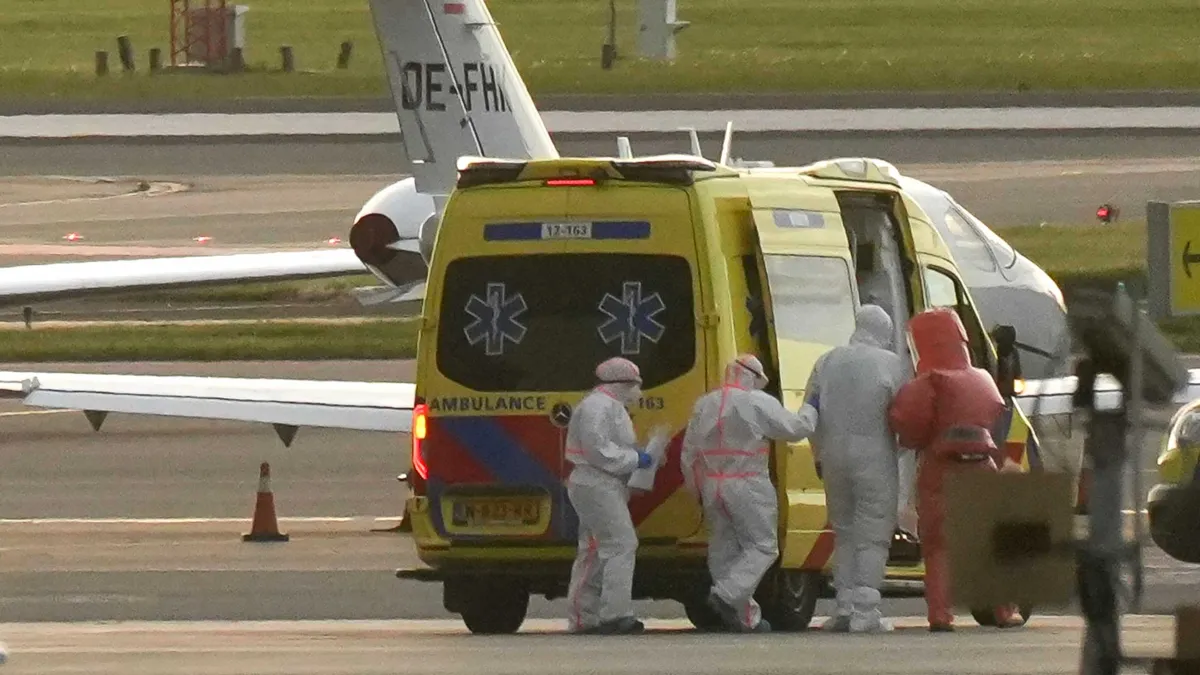
Three patients were transported from the Hondius on Wednesday for medical treatment in the Netherlands and Germany, as health officials switch their focus to finding and monitoring the dozens of people who left the ship along its voyage.
Hantavirus infection in humans is extremely rare and has never been previously recorded on a cruise ship. The CDC monitors the disease and its data show that there were 890 confirmed cases between 1993 and 2023.
Argentinian authorities said that a rodent-trapping program would take place in the city of Ushuaia, where the Hondius began its journey, and that it would conduct 2,500 diagnostic tests to identify the outbreak’s origin.







From breaking news and local politics to art exhibitions, live music, high school sports, small businesses, and cultural events, we celebrate the people and places that make Connecticut unique.