Connecticut farmers describe challenges of farming in 2026
At Connecticut’s Agriculture Day at the State Capitol, farmers from across the state gathered to showcase their work and speak out about the challenges they said are impacting their future.
NBC Connecticut spoke with farmers about several key issues, including the state of the dairy industry, access to farmland, and property taxes.
Dairy farmers facing financial strain
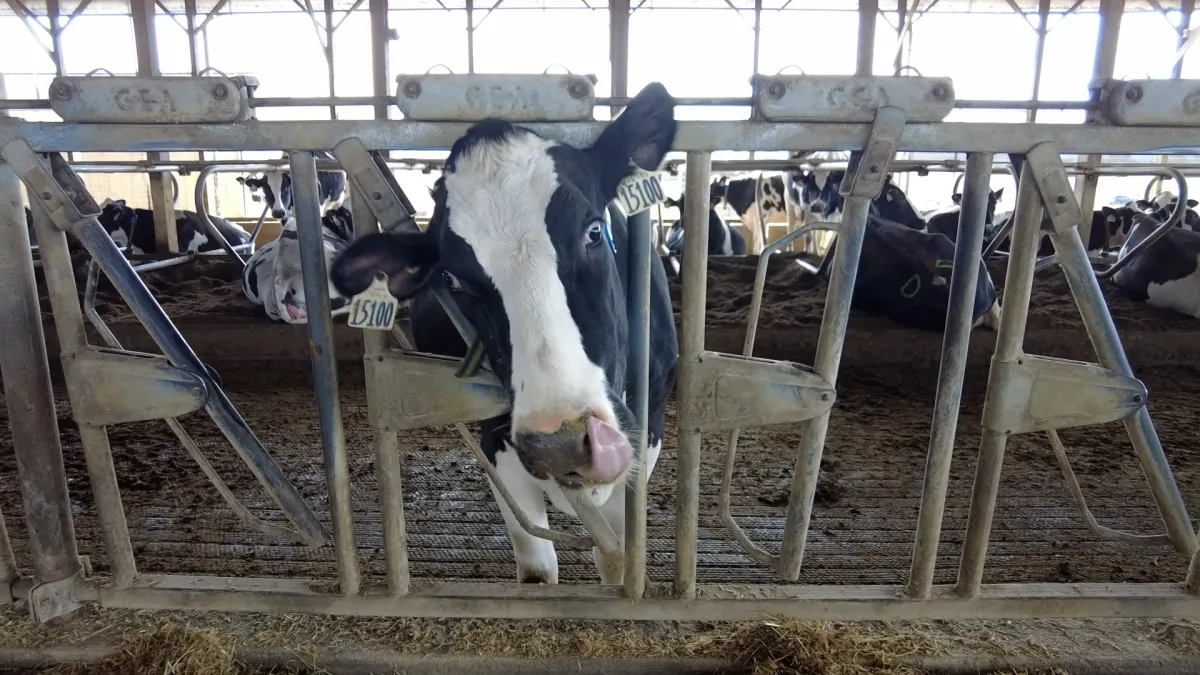
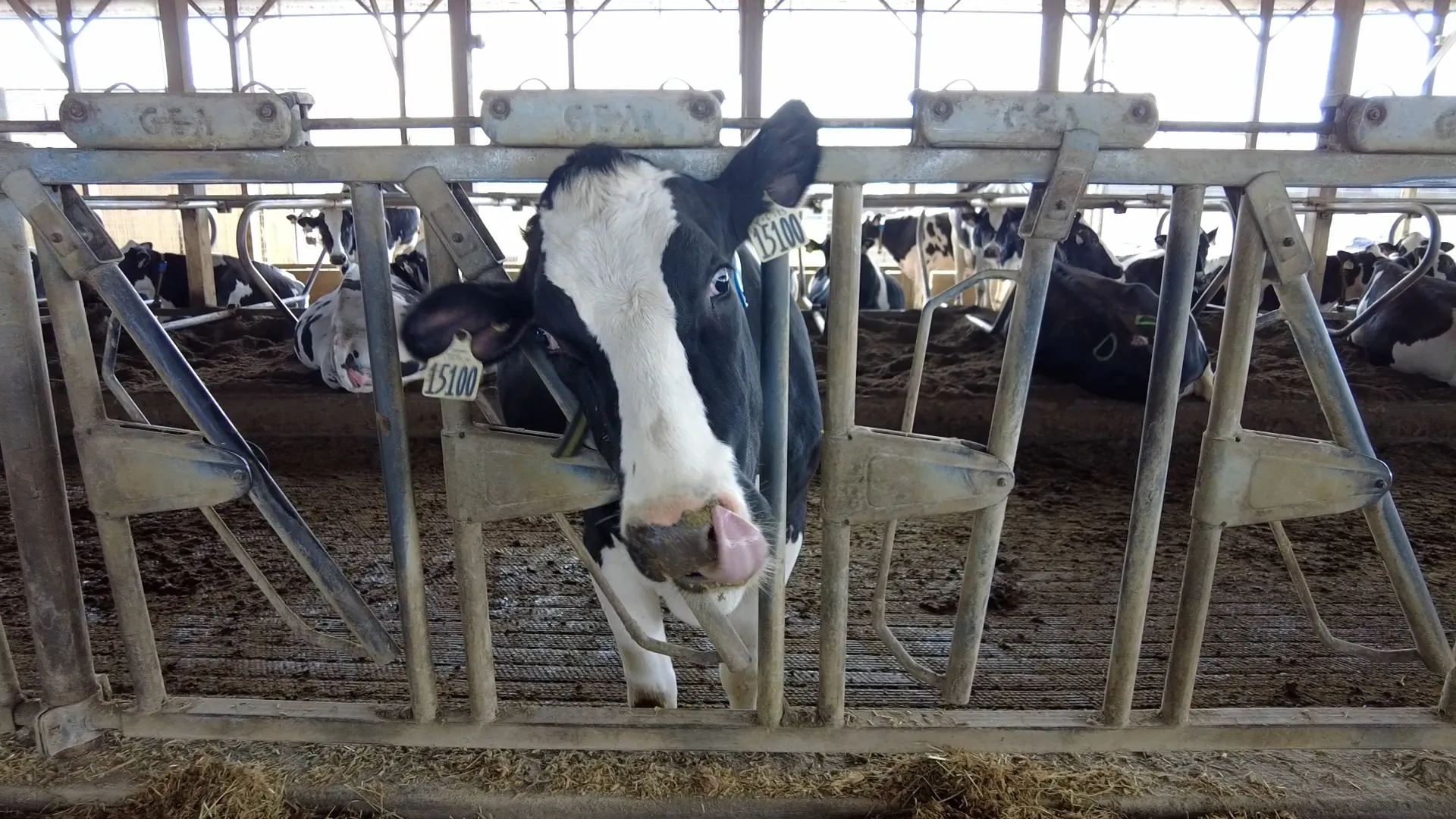
Dairy farmers say they are under increasing financial pressure as milk prices drop while operating costs continue to rise.
At Oakridge Dairy in Ellington, fifth-generation farmer Seth Bahler said the economics are becoming harder to sustain.
Milk prices are set at the federal level. Since last year, he said, the price of milk has dropped by 30%, even as costs for labor, electricity, and supplies have increased.
“We’ve invested about $50 million within our industry to really … be here for future generations. But the economics make it really hard in the state,” Bahler said.
At the Capitol, dairy farmers were lobbying for a $20 million state investment and a refundable tax credit to support Connecticut’s roughly 80 dairy farms.
If it doesn’t happen, Brandon Smith of Cushman Farms in Franklin said the consequences would be severe.
“We won’t be here anymore,” Smith said. “Dairy will not be in this state within three years if this does not pass.”
Land access becoming a growing challenge
Farmers also said finding and affording farmland is becoming increasingly difficult, especially as land is sold for development.
Matt Went, owner of River Ridge Farm and president of the New Connecticut Farmer Alliance, said farmers often cannot compete financially with housing and solar projects.
“Farmers don’t have a lot of money to compete with that. So it’s definitely one of the largest challenges,” Went said.
According to the New Connecticut Farmer Alliance, the average age of a Connecticut farmer is 59. However, they said 3,000 of the state’s farmers are in their first 10 years.
The alliance is advocating for legislation that explores solutions to make health care access affordable for farmers, support a climate change superfund that pays for damages to agricultural soils, and asks that the new farmland access program be fully staffed.
The impact of the war in Iran
In addition to land concerns, farmers pointed to rising costs tied to global factors.
Fertilizer and fuel are affected by the disruption of oil flow due to the traffic standstill in the Strait of Hormuz.
Jamie Jones of Jones Family Farms in Shelton said uncertainty around those costs makes planning difficult.
“Is this going to be a temporary increase, or is it going to eventually come back down? How will that work into our pricing?” Jones said.
Some farmers buy their fertilizer in advance, but that’s not the case for every farmer.
Keith Bishop of Bishop’s Orchards in Guilford said farmers often cannot pass those higher costs on to consumers.
“We can’t raise the price of our commodities in the marketplace that cover the additional cost of diesel fuel and oil in this particular case. So that’s the toughest piece,” Bishop said.
Property taxes
Some farmers are also dealing with property tax concerns.
North Stonington cattle farmer Kimberly Grijalva said her property tax assessment increased by $16,000 before Governor Ned Lamont in January reinstated previous values and formed a working group to address the issue.
“So now we’re at the table, really trying to figure out how do we tax, do we tax, you know, what does that look like? And, it’s very complicated,” Grijalva said.
Grijalva said she believes agriculture could be a major economic engine in the state with more investment.
Advocates say the challenges come at a time when the farming population is already limited.
The New Connecticut Farmer Alliance says the average age of a Connecticut farmer is 59, and farmers make up about 0.26% of the state’s population.
Farmers say one of the best ways people can support them is by buying directly from local farms.





From breaking news and local politics to art exhibitions, live music, high school sports, small businesses, and cultural events, we celebrate the people and places that make Connecticut unique.