
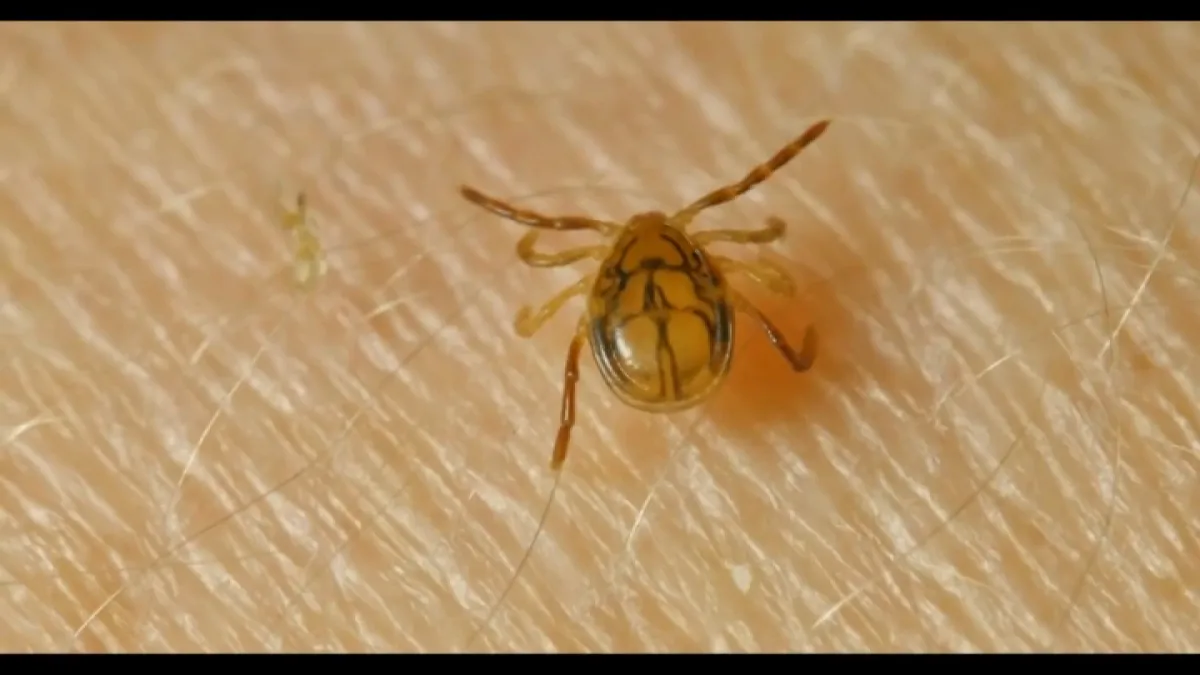
Animal control officer finds 22 ticks on her after dog rescue in Seymour
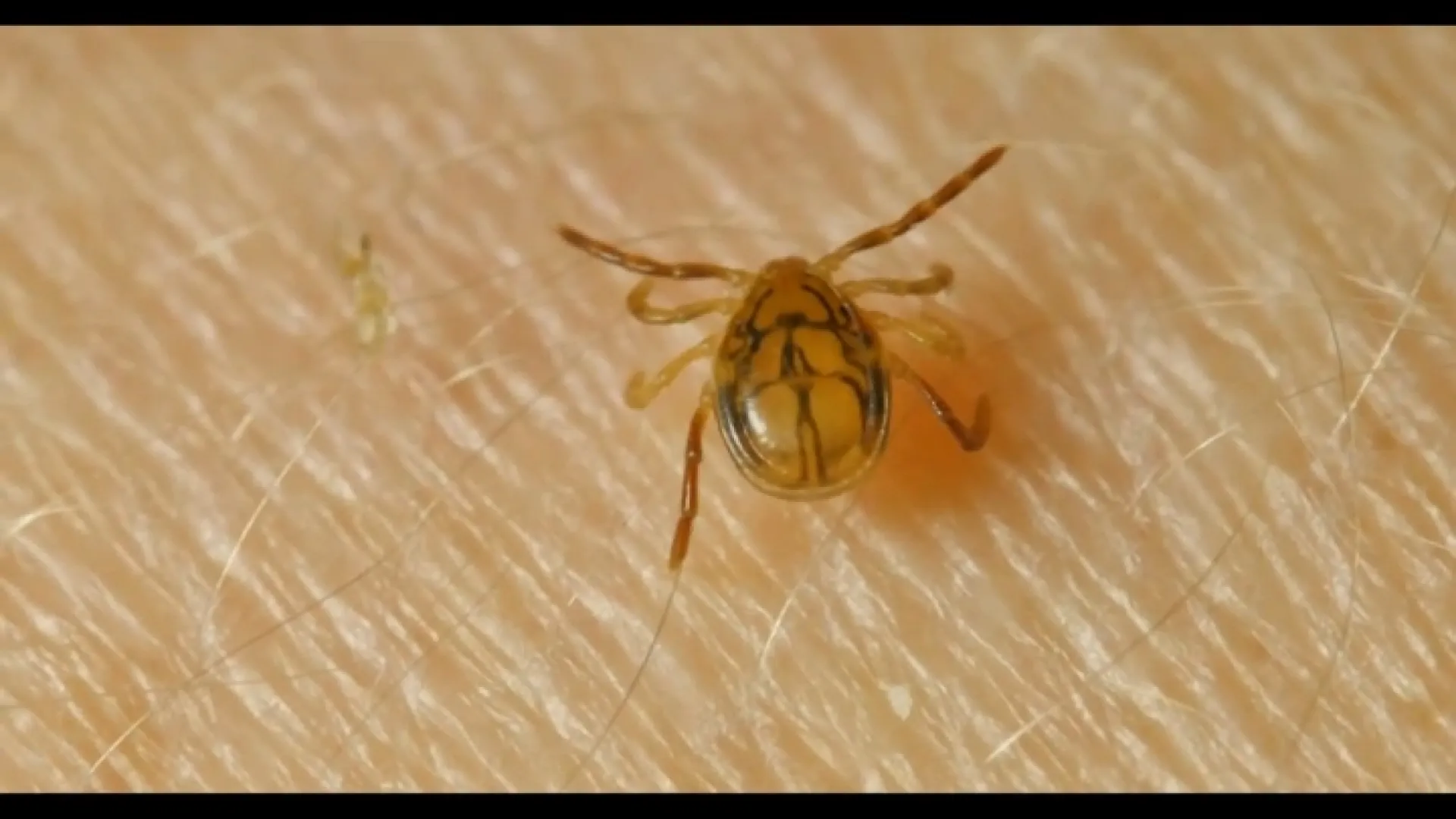
Woodbridge’s regional animal control officer ended up covered in ticks after helping to save a dog in a wooded area of Seymour.
Jess Moffo said she received a call on Thursday about a dog that fell off an embankment in Seymour.
“You know, the ground is covered. It’s frozen and slippery,” Moffo said. “It was raining yesterday, so there’s water, which, you know, tends to bring them out a little bit more.”
While it was a successful rescue, and even being in the woods for only about 15 minutes, Moffo was left covered in ticks.
“They were just crawling on my body, so I had about ten ticks, like, in my hand,” Moffo said. “I ended up with a total yesterday of 22 ticks on me.”
Dr. Khuram Ghumman, a clinical professor for family medicine at Quinnipiac University, says there is a high population of ticks that can transmit diseases here in Connecticut. Most commonly, Lyme disease, especially during this time of year.
“The incidence could be as high as 100,000 to 500,000 cases a year,” Ghumman said.
Lyme disease can cause symptoms such as severe headaches, arthritis, and heart palpitations.
But the quicker you remove a tick, the more likely you are to avoid contracting a tick-borne illness.
“When you finish your hike, when you finish your mountain bike ride, and you’re coming back after spending time in the woods, do a tick check, especially for young kids,” said Ghumman.
And if you find one, or many, Dr. Ghumman said to remove it as soon as possible.
“So taking fine tweezers with a sustained upward pressure is how you want to remove that tick,” Ghumman said.
Prevention is key. That means wearing long sleeves and tucking your socks over the bottom of your pants.
Spraying yourself with some tick repellent before heading outdoors is also suggested.
If you get a rash of any kind from a tick bite, Dr. Ghumman says to go to a doctor right away.







From breaking news and local politics to art exhibitions, live music, high school sports, small businesses, and cultural events, we celebrate the people and places that make Connecticut unique.