
NBC CT Investigates: Why did a century old business shut down?
A Connecticut manufacturing company that has operated for more than a century has closed its doors, with its longtime owner citing soaring business expenses and tariffs as key reasons for the decision.
Leed-Himmel Industries, a custom aluminum manufacturing company based in Hamden, has been winding down operations after decades of serving customers.
The closure did not come as a surprise to owner Howard Goldfarb.
When NBC Connecticut visited the plant in 2024, Goldfarb warned that rising expenses were putting pressure on the business.
“It could get to the point where I just say, ‘It’s not worth doing anymore. All we’re doing is working to pay the electrical bill,’” he told NBC Connecticut at the time.
Two years later, that prediction became reality.
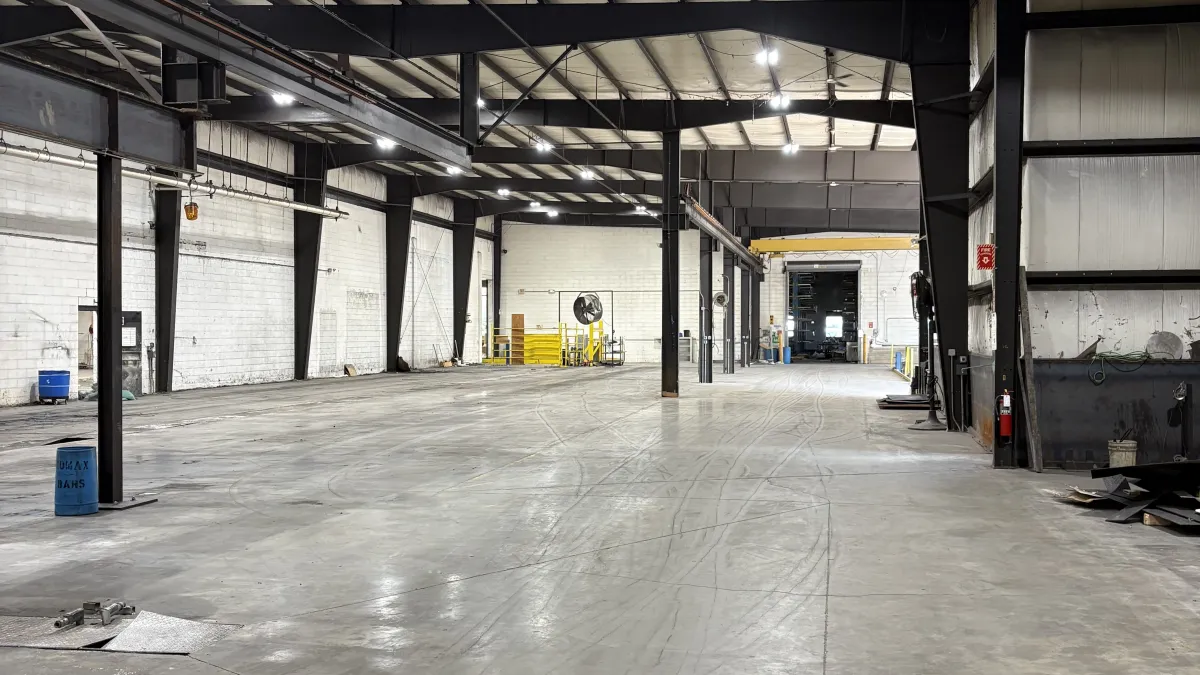
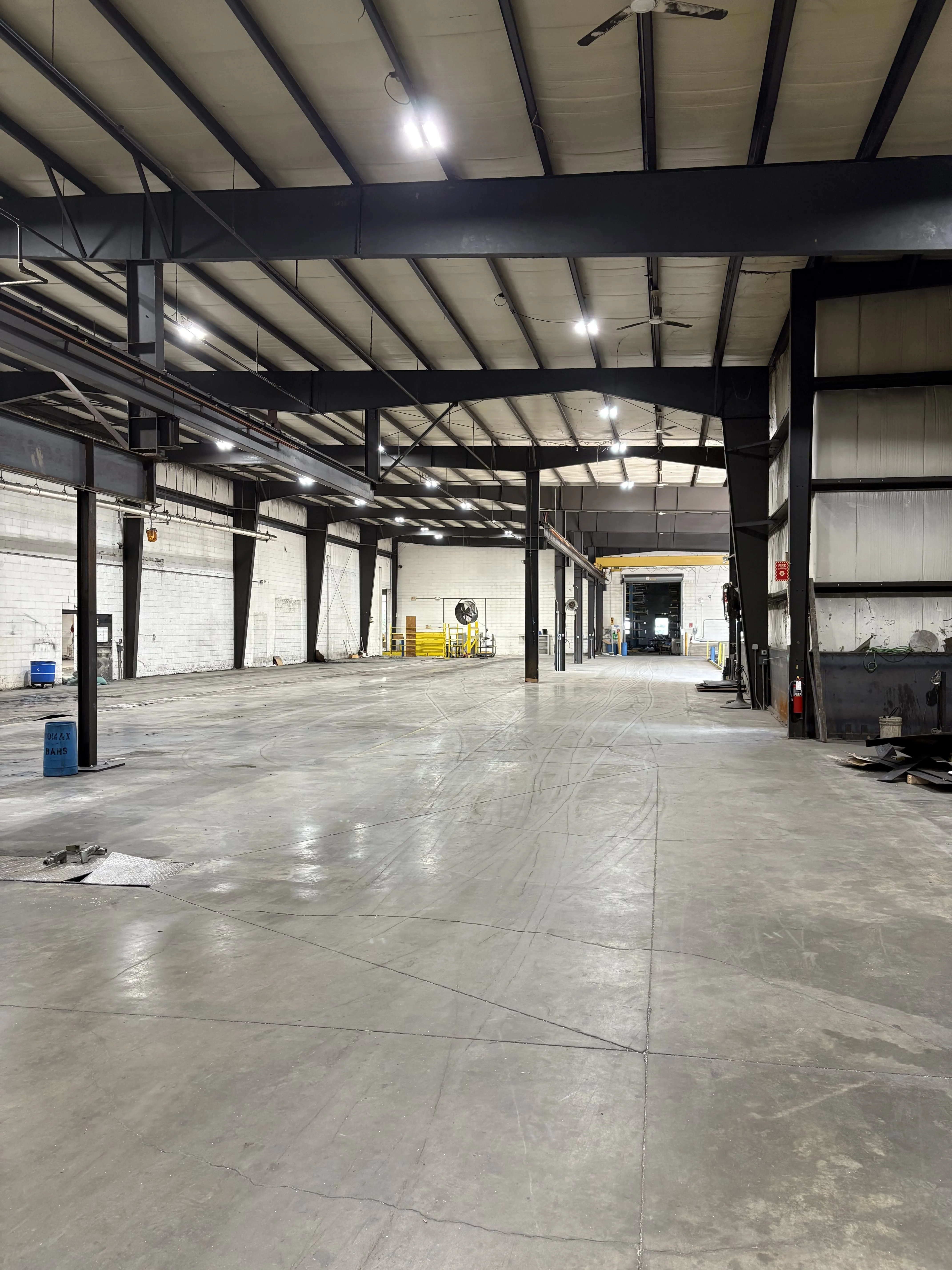
Walking through a largely empty factory floor, Goldfarb said that costs that once were manageable had climbed too high.
“If our costs were where they were, say, eight years ago, I wouldn’t have shut it down,” he said.
Goldfarb pointed to a long list of expenses facing manufacturers. He said health insurance for workers cost roughly $840,000 last year. Insurance for buildings, vehicles, and workers’ compensation added more than $400,000. The company’s electric bill topped $500,000 despite reduced operations.
The business also paid about $160,000 annually in local property taxes.
But Goldfarb said the final blow came from outside Connecticut.
“Tariffs was the final nail in the coffin, if you will,” he said.
According to Goldfarb, tariffs increased the cost of aluminum and other materials while forcing him to tie up more cash in inventory purchases before customers paid their invoices.
At one point, he came close to selling the company. However, he said a potential European buyer backed away after the outbreak of war involving Iran created uncertainty.
Now Goldfarb hopes policymakers pay attention to what happened.
“The cost of doing business in Connecticut is too high,” he said.
He also questioned whether businesses can continue absorbing growing costs.
“This whole idea of passing the cost of everything onto businesses in Connecticut is not sustainable,” Goldfarb said.
Among the Connecticut-specific expenses he cited were another scheduled minimum wage increase and public benefits charges that appear on electric bills, helping fund programs such as energy assistance and conservation.
Goldfarb said he is still trying to find a buyer for the Hamden facility and hopes it will remain a manufacturing site rather than being converted to storage space.
When asked about the closing, the state’s Department of Community and Economic Development said it understands that reliable, affordable energy is the main problem.
The agency added that getting power costs under control requires a regional, “all the above” approach to bringing more renewables (wind/solar/hydropower), nuclear, natural gas, and other sources of energy here.







From breaking news and local politics to art exhibitions, live music, high school sports, small businesses, and cultural events, we celebrate the people and places that make Connecticut unique.