
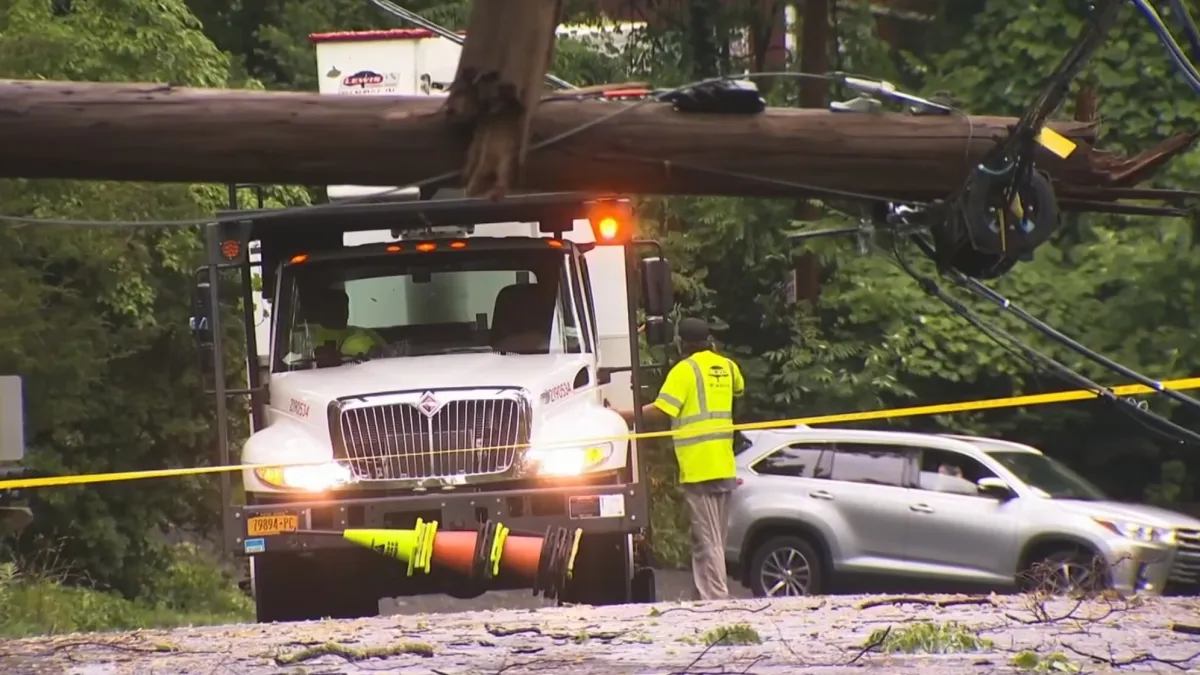
DEEP awards $5.1 million to help communities prepare for extreme weather
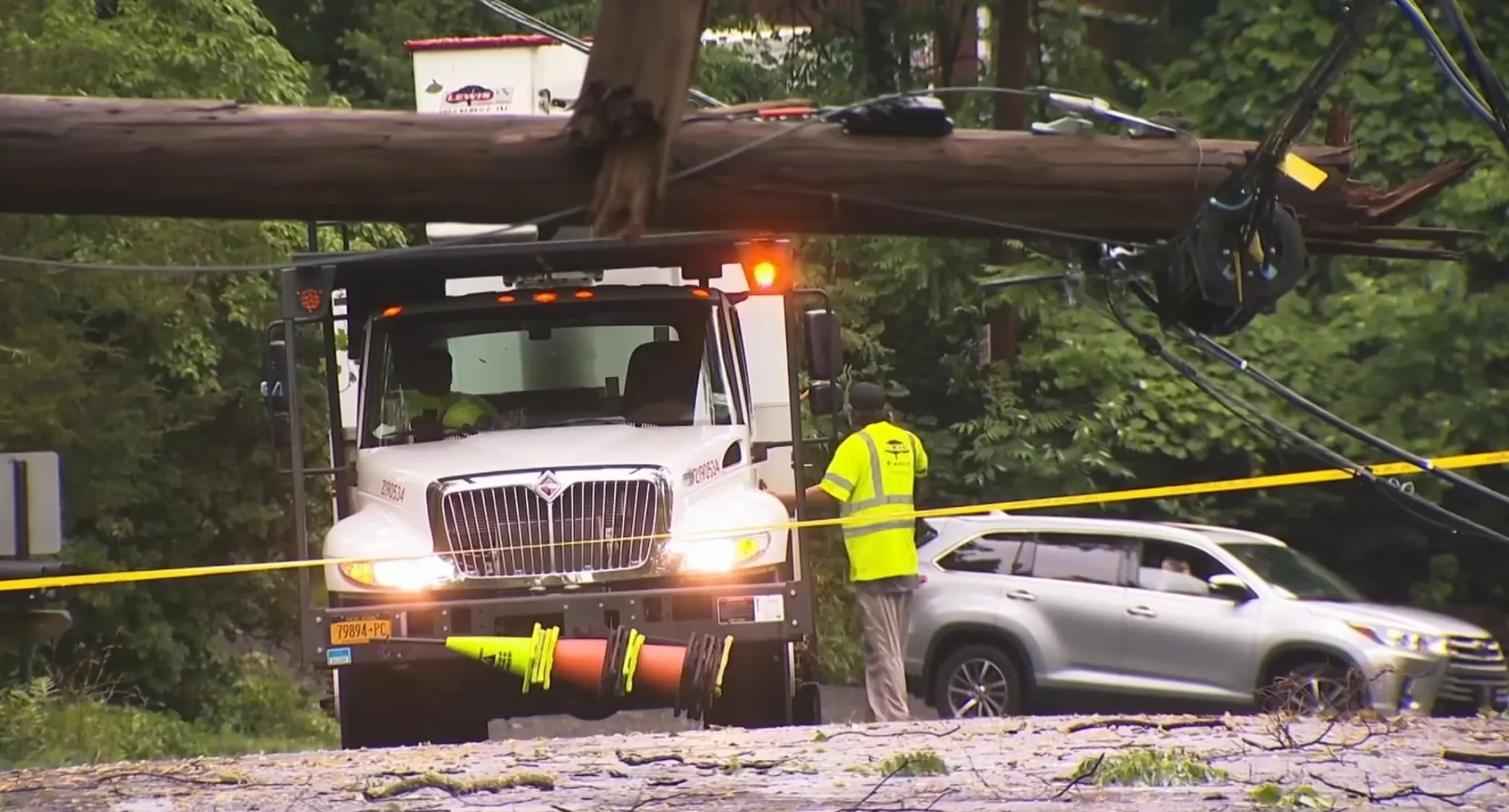
Connecticut is investing $5.1 million in projects designed to help communities better withstand extreme weather and climate-related hazards.
The funding, awarded this summer by the Connecticut Department of Energy and Environmental Protection (DEEP), will support planning and design efforts to help cities and towns prepare for challenges such as flash flooding, extreme heat, wildfire smoke, and other natural hazards.
According to DEEP, the goal is to reduce future disaster impacts, lower recovery costs, and position communities to secure additional federal funding for resilience projects.
Chris Field, Director of DEEP’s Planning and Resilience Office, said the grants are helping communities move projects from the planning stage toward implementation.
“We’ve been able to fund planning and design, and now these projects are ready to become a reality,” Field said.
The grants are awarded through the state’s Climate Resilience Fund and are intended to support communities as they assess risks and develop solutions before disasters occur.
“What the DEEP Climate Resilience Fund does is provide planning grants and design grants so municipalities and other applicants can start planning on a broad scale for all the natural hazards they might face,” Field said.
The funding comes as Connecticut continues to experience costly and disruptive weather events, including torrential rainfall, flash flooding, periods of extreme heat, and air quality concerns linked to wildfire smoke.
Field said the grants help communities address a wide range of threats while strengthening long-term resilience.
“We’ve awarded $14 million to this point across 35 projects, and we have projects in every county in the state,” Field said. “That includes everything from urban to rural areas.”
State officials say investing in resilience measures before disasters occur is more cost-effective than paying for recovery and rebuilding afterward.
“The whole point here is to reduce the risk of natural disasters before they happen,” Field said. “Our communities are taking the lead on that, and we can provide the support for that. That’s much more cost effective than rebuilding and recovering from a natural disaster.”
The grants primarily fund planning and design work, which can help communities compete for larger federal grants needed to construct and complete resilience projects.
The grant recipients under this round of funding are:
- Town of Groton – $250,000
- City of New Haven Parks Department – $250,000
- Jewett City – $237,044
- South Central Regional Council of Governments (SCRCOG) – $250,000
- Western Connecticut Council of Governments (WestCOG) – $246,457
- Norwich Public Utilities – $525,000
- City of Waterbury – $644,456
- Southeastern Connecticut Council of Governments (SECOG)– $291,200
- Naugatuck Valley Council of Governments (NVCOG)– $650,000
- North Hartford Partnership – $337,197
- Windham Water Works – $415,000
- Town of Wolcott – $139,375
- Town of Wethersfield – $553,093
- Connecticut Department of Emergency Management and Homeland Security (DEMHS) – $375,000
More information on the grants can be found on DEEP’s website.
DEEP expects to continue the program next year and plans to open another application cycle during the first half of 2027.







From breaking news and local politics to art exhibitions, live music, high school sports, small businesses, and cultural events, we celebrate the people and places that make Connecticut unique.