
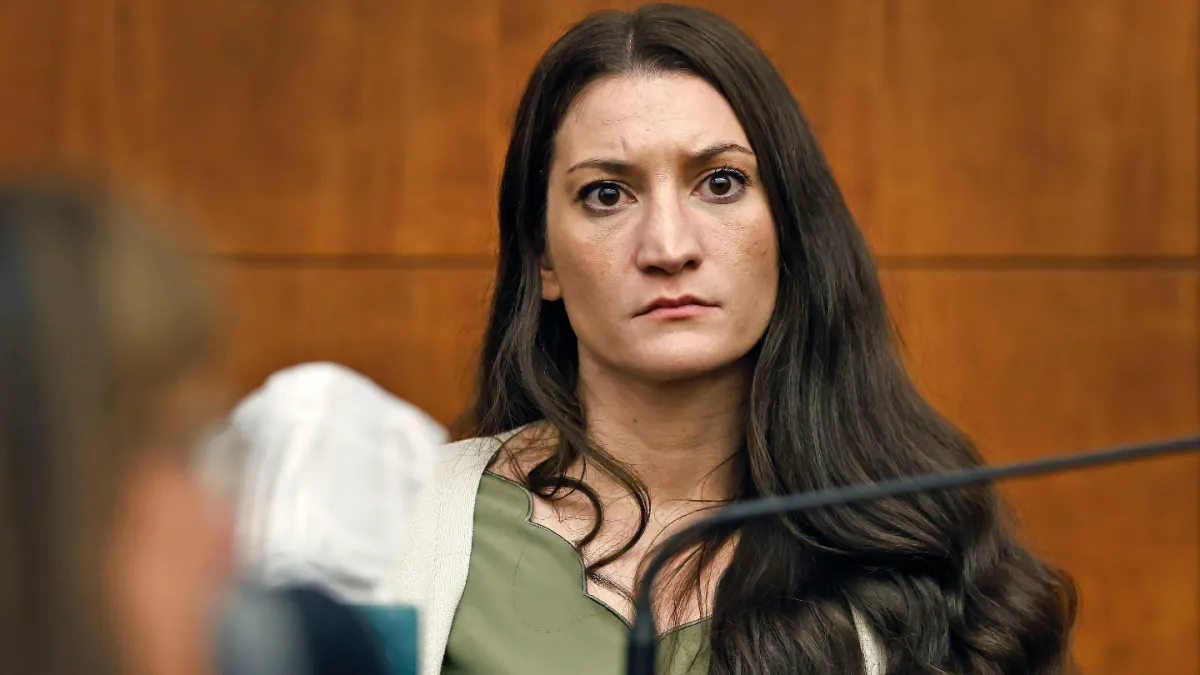
Jury selection in Lindsay Clancy trial complete, opening statements Monday
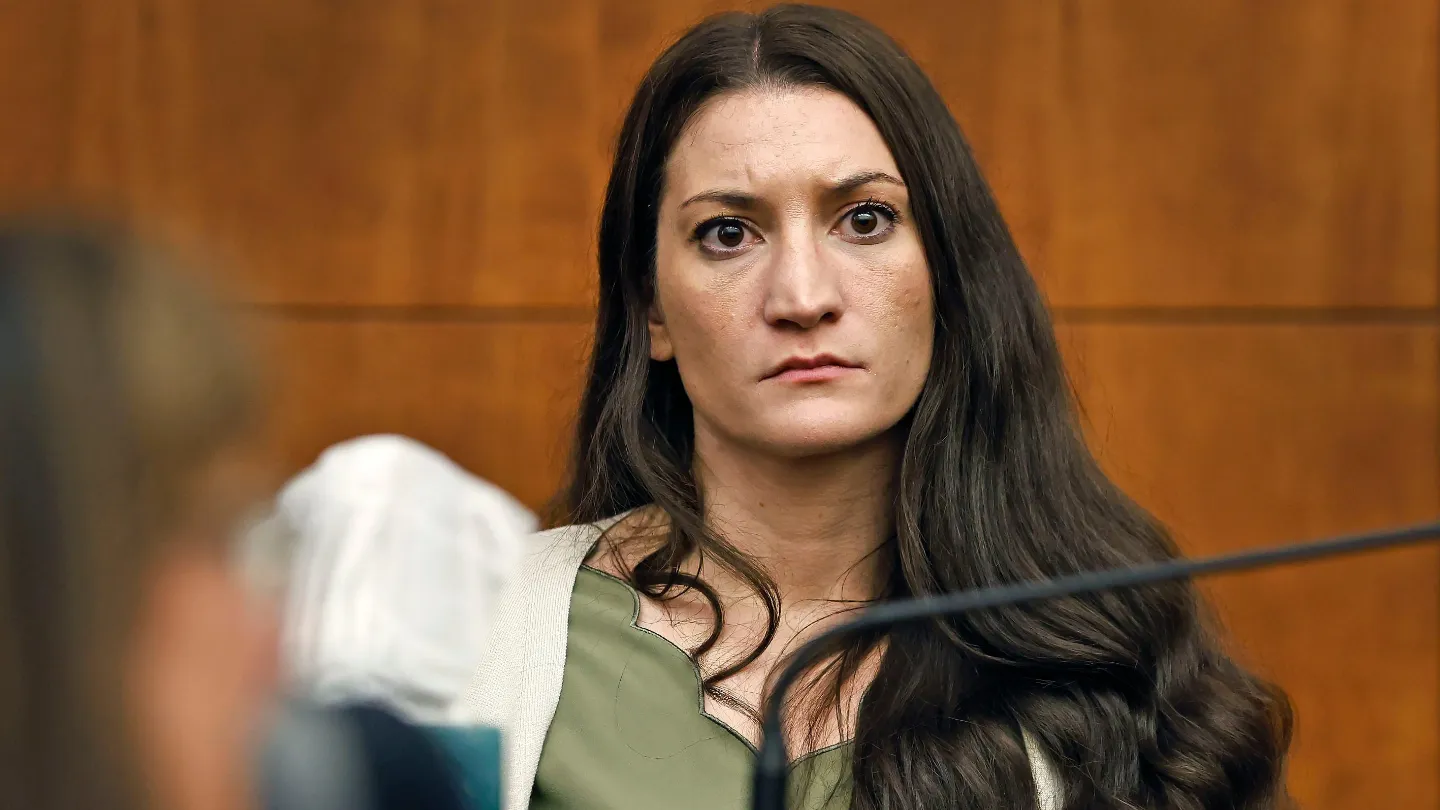
Jury selection was completed Thursday in the trial of Lindsay Clancy, the Duxbury, Massachusetts, mother who strangled her three children while undergoing medical treatment for psychiatric problems that developed after she gave birth.
Seventeen of the 18 jurors needed had been selected by the end of the day Wednesday, but two of hem dropped out Thursday. Three new jurors were selected Thursday, leaving the total at 18.
Opening statements are are expected to get underway on Monday.
“The battle lines have been drawn very clearly between the prosecution, saying premeditated and intentional and rational, and the defense saying she was psychotic,” legal analyst Peter Ellikan said.
After jury selection finished, an attorney representing Patrick Clancy, Lindsay’s ex-husband, asked the court to restrict media access to pictures of his dead children, their clothing and a 911 call he made on the night they died. The defense backed his request.
“Is the district attorney’s intent to put a circus in front of this jury?” Lindsay Clancy’s attorney, Kevin Reddington, said in court.
Patrick Clancy is expected to be the first witness called in the case.
During selection, potential jurors were asked all types of questions about their experience with depression, anxiety disorders and mental health.
Legal experts have said they’re surprised at how quickly this process has moved so far, but the timeframe does fall in line with some of the high-profile cases we’ve covered. Brian Walshe’s jury selection lasted three days, and Karen Read’s first trial lasted five. In this case, however, many thought the process would take longer due to the nature of the case.
“We may find that that’s going to be more difficult for them going forward. We’ve already seen one juror who was empaneled, then asked to be released from that obligation,” NBC10 Boston chief legal expert Michael Coyne said. “It won’t just be testimony. There will be pictures. There will be audio tapes and the like that will be introduced. And I would not be surprised if we see jurors over the course of the trial react emotionally.”
Clancy’s trial, which could take several weeks, is expected to explore the complicated and rare phenomenon of postpartum psychosis, something that afflicts a very small percentage of women who develop delusions and sometimes hallucinations after childbirth.
Clancy’s lawyers — and her ex-husband — say she was not responsible for her actions. Defense attorney Kevin Reddington doesn’t dispute that she killed the children, but plans to raise an insanity defense.
Prosecutors say the killings were intentional and well planned, not the work of someone who had lost control.
Clancy, a former labor and delivery nurse at Massachusetts General Hospital, has pleaded not guilty to murder charges in the deaths of her children Cora, 5, Dawson, 3, and Callan, 8 months, when they were killed on Jan. 24, 2023.
On the day of the killings, Clancy, now 36, asked her then husband Patrick Clancy to leave their home to get takeout food and to pick up something at a pharmacy. She strangled the children with exercise bands, then used multiple methods to try to end her own life.
She was paralyzed after falling from the home’s second-story window, and is being held at a state hospital.
Lindsay and Patrick Clancy are now divorced, and Patrick is on the list of witnesses for both the prosecution and the defense. He has said in interviews that he forgives his wife.
Lindsay Clancy and her ex-husband filed lawsuits earlier this year accusing her medical providers of failing to properly diagnose, treat and monitor her for a “severe postpartum psychiatric condition.” She spent several days at a psychiatric hospital weeks before the killings.
The Associated Press contributed to this report







From breaking news and local politics to art exhibitions, live music, high school sports, small businesses, and cultural events, we celebrate the people and places that make Connecticut unique.