

CT DCF data reveals over 2 dozen child fatalities and life-threatening cases
Many of Connecticut’s most serious child abuse and neglect cases involved children whose families had previous contact with the Department of Children and Families, according to newly released state data analyzed by NBC Connecticut Investigates.
The records, which cover nearly 80 child fatalities and near-fatalities from January 2025 through May 2026, show DCF determined its prior case history with the family was relevant in 28 child fatality and near-fatality investigations.
The children ranged in age from just a few weeks old to nearly 18 years old. While every case is different, the data shows recurring risk factors, including substance abuse, mental health issues, unstable housing, educational neglect and repeated reports to DCF.
The case with the most extensive history involved a 16-year-old who died of an accidental oxycodone overdose in October 2025.
DCF records show the department accepted 62 reports involving the teen’s family and substantiated 17 of them. The agency’s records cite parental substance abuse and note that mental health and substance abuse services had been provided.
The records do not indicate whether those services were completed or explain the decisions made by caseworkers throughout the family’s history.
Another case involved a 15-year-old who died by suicide in April.
DCF accepted 23 prior reports involving the family and substantiated two. Agency records cite a history of homelessness and allegations of educational neglect, poor supervision and physical abuse. The department also noted it had provided housing assistance and mental health services before the teen’s death.
The circumstances closely match a case that prompted Connecticut Child Advocate Christina Ghio to publicly question DCF’s handling of the case.
Ghio said the teen died within one hour of speaking with a caseworker. She said the teen had repeatedly expressed feeling unsafe, asked to enter foster care, and was left in the home.
“We have deep, deep concerns about whether the existing policies for safety assessment were actually followed,” Ghio told NBC Connecticut after releasing a letter criticizing the agency’s response.
In response to that letter, DCF Commissioner Susan Hamilton released a statement that said, in part, “We take very seriously and support the recommendations outlined in the OCA letter and will continue to work in partnership with them to strengthen our practices and improve the larger child welfare system.”
Although the fatality report does not identify children by name, details in another case closely match the death of Jacqueline “Mimi” Torres-Garcia.
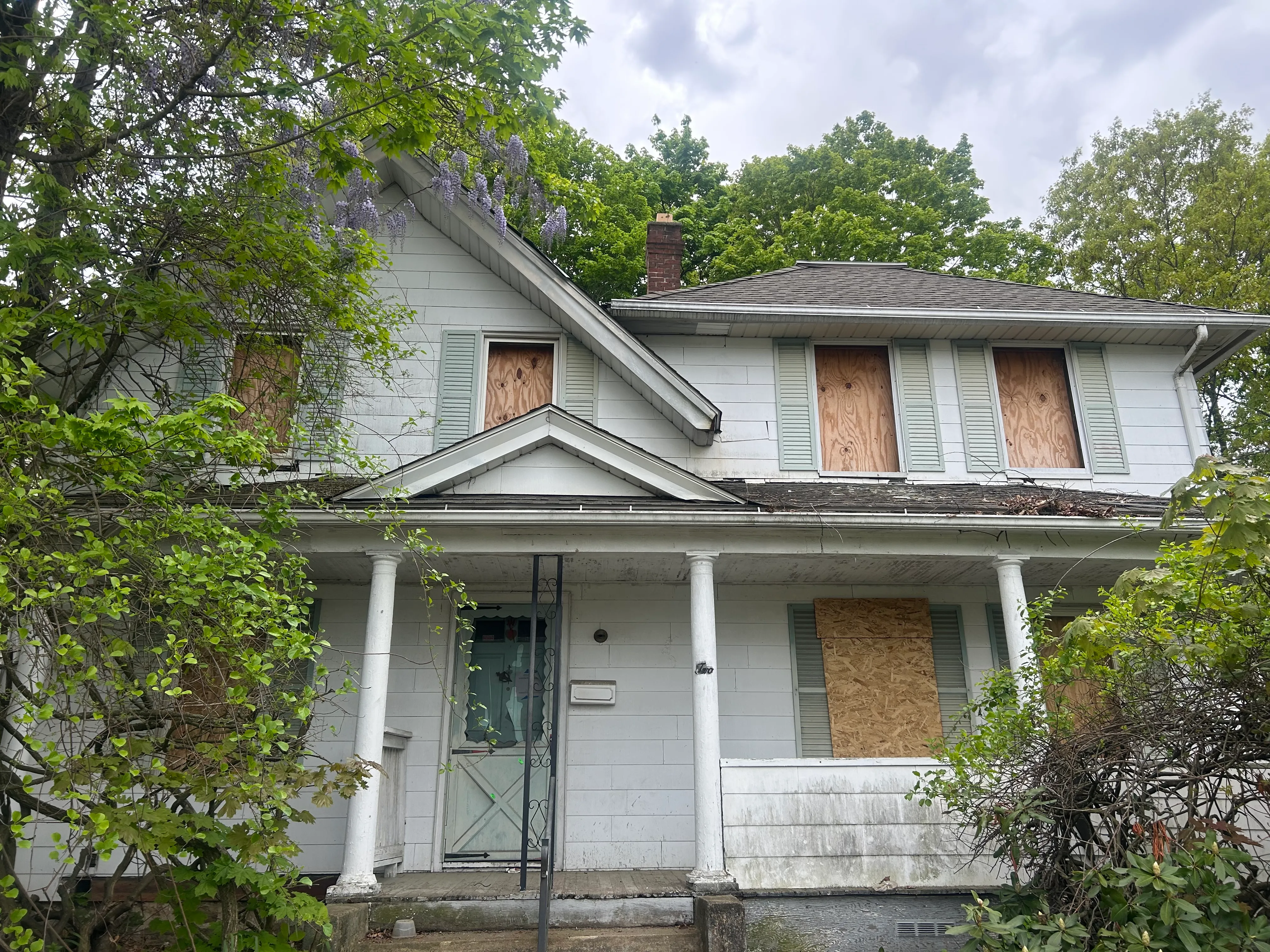
The 11-year-old’s body was found behind an abandoned building in New Britain in October 2025. An autopsy concluded she died from prolonged starvation and abuse.
DCF classified the death as a “familial homicide.” Records show the department accepted six prior reports involving the family, three of which were substantiated.
Mimi’s mother, aunt, and her mother’s former boyfriend have all been charged in connection with her death.
DCF External Affairs Director Ken Mysogland said the department conducts a Critical Incident Case Conference within one or two days of every child fatality or near fatality involving a family with current or previous DCF involvement to review what happened and identify lessons that could improve future practice.
“Contrary to public opinion, a high majority of child fatalities that we receive are not a result of child maltreatment,” Mysogland said.
The DCF data shows many of the deaths investigated by the department were natural, accidental or undetermined.
NBC Connecticut also obtained staffing data showing many DCF workers are carrying caseloads well above recommended levels.
The department attributes the high caseloads to staffing shortages and employee turnover.
Taken together, the fatality records and staffing data raise questions about the pressures facing Connecticut’s child welfare system and whether the department has the resources needed to intervene before children suffer the most serious harm.










From breaking news and local politics to art exhibitions, live music, high school sports, small businesses, and cultural events, we celebrate the people and places that make Connecticut unique.